The ongoing Department of Homeland Security (DHS) shutdown has reached a critical juncture, with TSA funding becoming a pressing issue as employees face uncertainty over their paychecks. President Trump signed a memo to ensure TSA employees could receive pay as soon as Monday, but the situation remains fraught with complications.
As of March 27, 2026, the DHS has been operating without regular appropriations for over 44 days, leading to severe operational disruptions. Reports indicate that absenteeism among TSA workers has soared to 40 percent at some airports, with over 480 officers quitting during the shutdown. This has raised alarms about the safety and efficiency of America’s air travel system, which Trump described as having “reached its breaking point.”
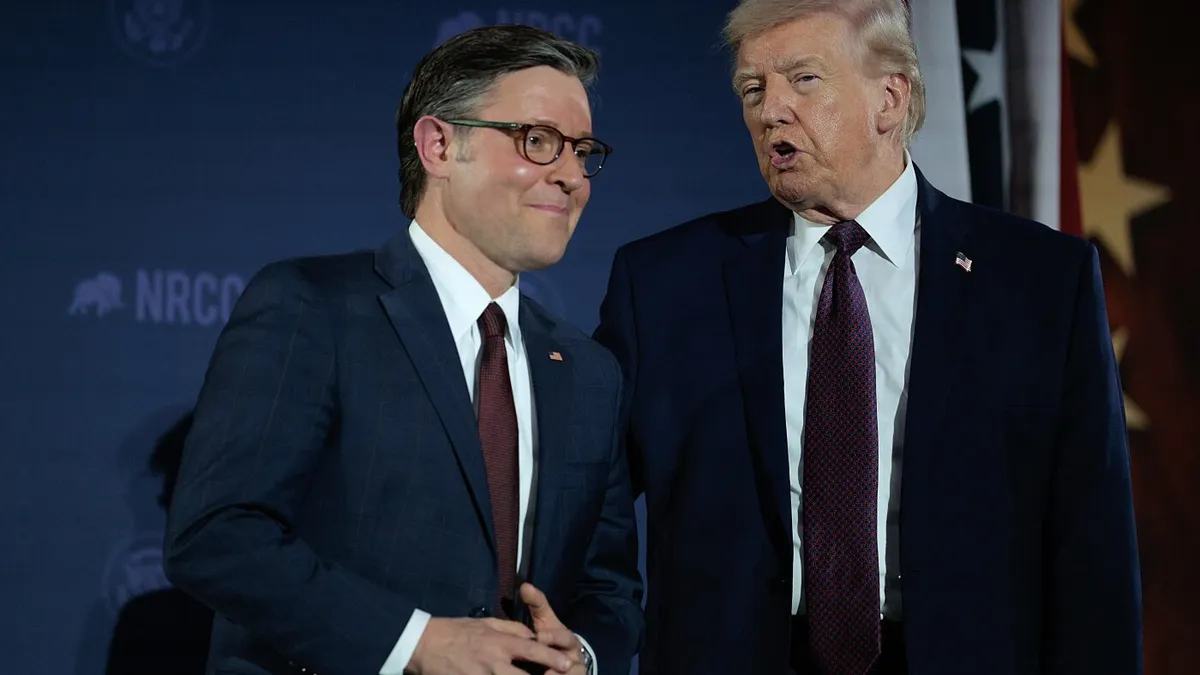
The House of Representatives recently passed a stop-gap bill to fund the DHS through May 22, garnering 213 votes in favor and 203 against. However, this measure has been met with resistance from House Speaker Mike Johnson, who dismissed the Senate’s funding deal as a “joke.” Meanwhile, Senate legislation aimed at funding most of the DHS excluded critical agencies like ICE and Border Patrol, further complicating the funding landscape.
Chuck Schumer, a prominent Democratic leader, emphasized that his party would not support additional funding for Trump’s initiatives without significant reforms. This political standoff reflects broader tensions surrounding immigration and border security funding, with the One Big Beautiful Bill Act proposing $75 billion for ICE operations, yet failing to address the immediate needs of TSA employees.
Details remain unconfirmed regarding the legality of Trump’s memo and the source of funds for TSA employee payments. As the shutdown continues, the operational capacity of the TSA hangs in the balance, with many observers concerned about the long-term implications for airport security and employee morale.
With the situation evolving, the fate of TSA funding remains uncertain, and the impact of the ongoing shutdown is likely to resonate throughout the aviation sector for the foreseeable future.