The wider picture
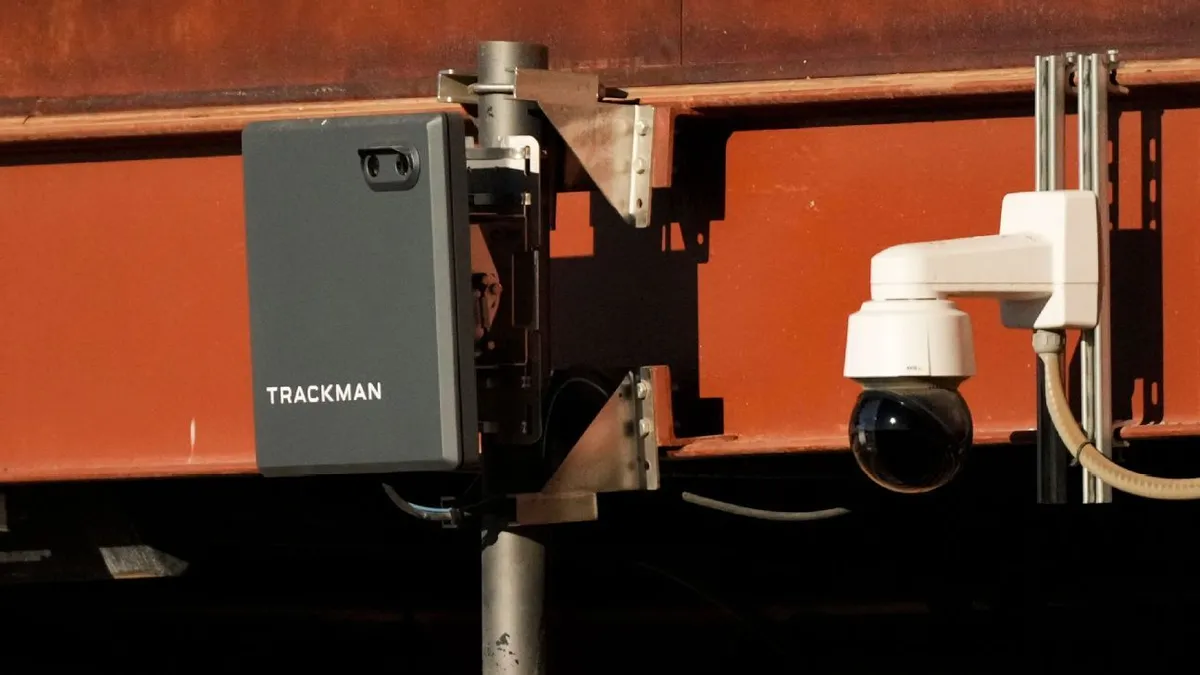
Since the 1970s, catchers have been allowed to ask the plate umpire to appeal non-strike calls on checked swings. This practice has been a part of baseball’s evolving approach to officiating, but recent developments indicate a significant shift in how the game is officiated. Major League Baseball (MLB) is set to expand its robot umpire technology system for checked swing calls from Class A to Triple-A, marking a notable advancement in the integration of technology in the sport.
The checked swing test is scheduled to begin in the Triple-A Pacific Coast League starting May 5, 2026. This transition comes on the heels of a controversial incident during the World Baseball Classic (WBC) semifinal, where home plate umpire Cory Blaser made a disputed call on a pitch that was below the strike zone. This call became a focal point of criticism as it led to a critical strikeout against Geraldo Perdomo, who expressed his frustration, stating, “I knew it was 100% a ball.”
Blaser, who had a commendable 94% accuracy rate in 2025, faced scrutiny for two incorrect calls in the late innings of the WBC semifinal. The Dominican Republic, trailing with the tying run on third base, ultimately lost to Team USA 2-1, a defeat that many believe was influenced by the umpiring decisions. Perdomo’s strikeout call was particularly contentious, as pitch-tracking systems indicated that the pitch should have been ruled a ball.
Despite the controversies surrounding human officiating, the adoption of the Automated Ball-Strike (ABS) challenge system was not implemented for the 2026 World Baseball Classic due to the involvement of foreign umpires. This decision has raised questions about the consistency and reliability of officiating in international play, especially as technology continues to advance.
Observers note that the MLB aims for a 100% accuracy goal for calls in baseball, a target that underscores the increasing reliance on technology to enhance the integrity of the game. The introduction of the robot umpire system is expected to reduce the strikeout rate, which saw a 3% decrease during testing phases. Additionally, the system allows each team to challenge two calls, providing a layer of accountability and precision.
As the MLB prepares for this transition, the implications of the robot umpire system on game outcomes remain uncertain. Details remain unconfirmed regarding how this technology will impact the dynamics of play and the role of traditional umpires. However, the shift towards technology in officiating is indicative of a broader trend in sports, where accuracy and fairness are increasingly prioritized.
Albert Pujols, a prominent figure in the baseball community, commented on the recent WBC semifinal outcome, stating, “It just wasn’t meant to be for us,” reflecting the sentiments of many players who feel that officiating can significantly influence the results of high-stakes games. As the MLB moves forward with its plans, the balance between human judgment and technological precision will be closely monitored by players, fans, and officials alike.