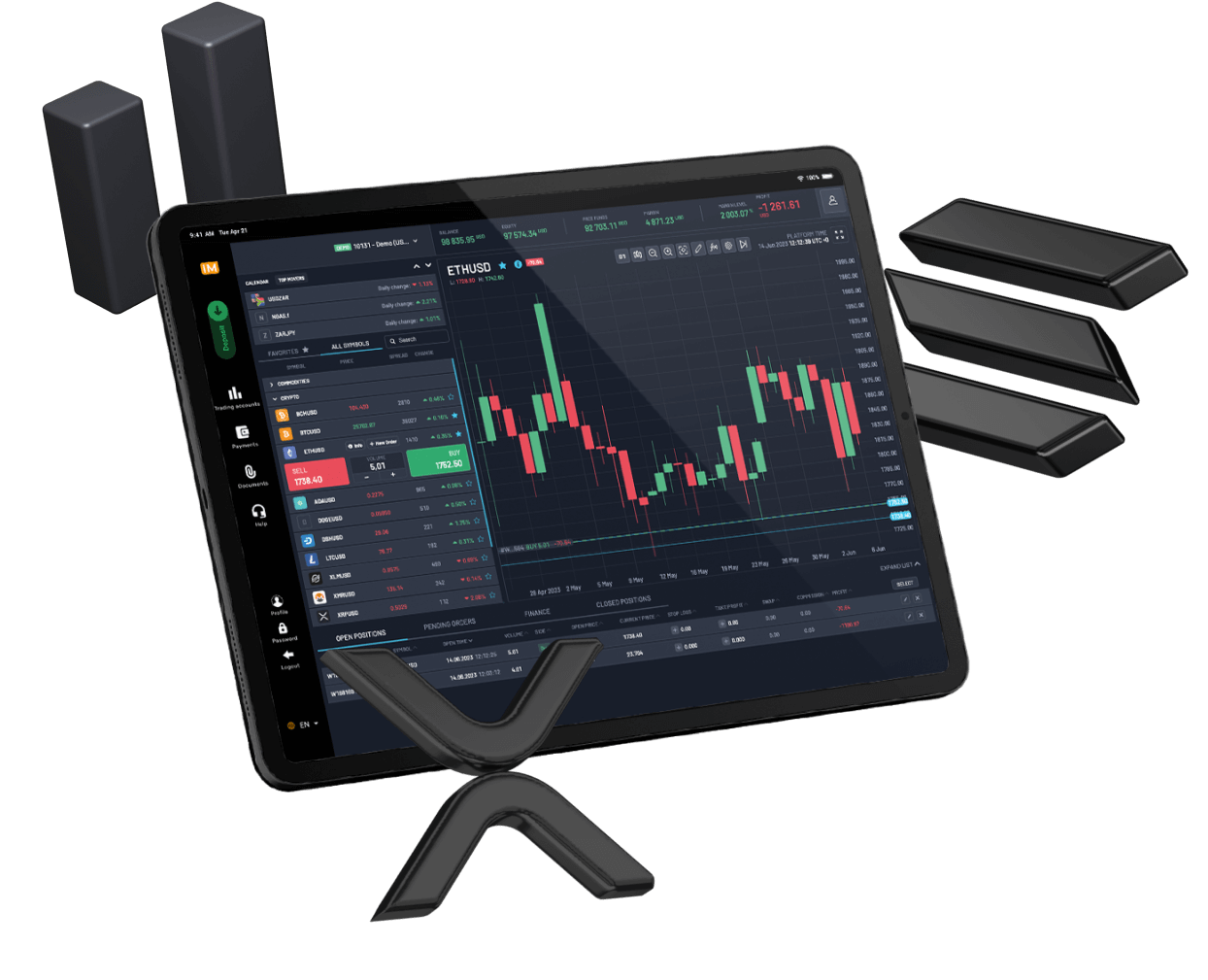
The Rise of Cryptocurrency Trading
In recent years, cryptocurrency trading has surged in popularity, attracting a diverse range of investors. This topic is particularly relevant today as more individuals and institutions look for alternative investment strategies amidst economic uncertainty. Cryptocurrency, once viewed as a speculative venture, is now being recognised as a legitimate asset class.
Key Events Shaping Cryptocurrency Trading
One of the most notable developments has been the increasing acceptance of cryptocurrencies by large corporations. Companies like Tesla and Square have invested in Bitcoin, while PayPal has allowed users to buy, hold, and sell cryptocurrencies directly on its platform. Such moves have bolstered the legitimacy of digital currencies, encouraging more traders to enter the market.
Additionally, regulatory developments across various countries have also impacted cryptocurrency trading. In September 2021, El Salvador became the first country to adopt Bitcoin as legal tender, sparking discussions in other nations about potentially following suit. Conversely, Chinese government crackdowns on cryptocurrency mining and trading have raised concerns regarding market volatility and have caused significant price fluctuations.
Current Trends in Cryptocurrency Trading
As of late 2023, key trends are shaping the landscape of cryptocurrency trading. Decentralised finance (DeFi) platforms are gaining traction, offering users the ability to trade without intermediaries, thus increasing the pace of innovation within the sector. Furthermore, non-fungible tokens (NFTs) continue to attract attention, creating new markets for digital assets.
Moreover, the introduction of exchange-traded funds (ETFs) linked to cryptocurrencies has made it easier for traditional investors to gain exposure to this asset class. Analysts suggest that these developments may further legitimatise the cryptocurrency space and reduce its volatility over time.
Conclusion and Future Insights
The importance of cryptocurrency trading will likely continue to grow as more individuals seek diversification in their investment portfolios. However, potential traders should remain vigilant about market risks and regulatory changes that could affect trading conditions. Experts predict that as technology continues to advance and more users become educated about cryptocurrency trading, the market could stabilise, leading to broader acceptance and integration into mainstream finance.
In summary, the landscape of cryptocurrency trading is dynamic and evolving, providing both opportunities and challenges for current and aspiring traders.