Introduction
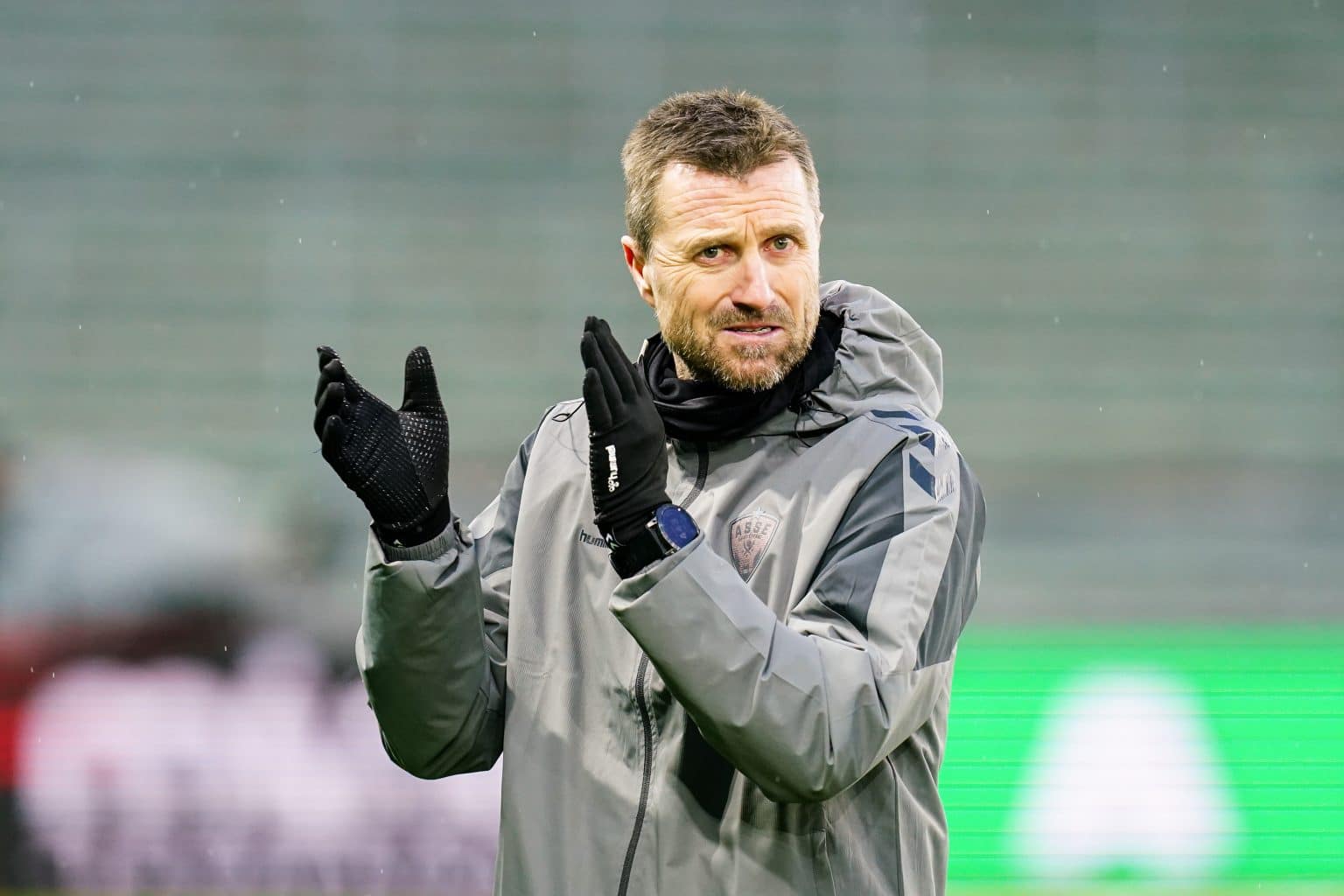
Eirik Horneland is a well-known figure in the world of football, recognized for his tactical acumen and coaching capabilities. Having taken charge of several clubs in Norway, his journey in the sport has become increasingly relevant, particularly as football enthusiasts analyse managerial styles and methodologies in the evolving landscape of the game.
Coaching Career
Horneland began his coaching career as an assistant at his former club, Haugesund. His reputation grew when he was appointed head coach in 2018, where he implemented a strategic playstyle focused on solid defensive organisation coupled with a quick transition to attack. Under his leadership, Haugesund secured impressive finishes in the Norwegian Eliteserien, showcasing his capability to maximise player performance.
In 2019, Horneland took the helm at the prestigious Rosenborg BK, one of Norway’s most successful clubs. His tenure at Rosenborg was marked by a commitment to youth development and attacking football, striving to improve the squad’s performance in both domestic and European competitions. However, despite securing a cup victory, inconsistency in the league led to scrutiny and eventually to his departure in 2021.
Tactical Approach
Horneland’s coaching philosophy revolves around flexibility, which adapts to the strengths of his players and the dynamics of the opposition. He often favours a formation that can switch between 4-3-3 and 3-5-2, allowing for both defensive solidity and attacking flair. This adaptability is crucial in the modern game, where tactical rigidity can often lead to exploitation by opponents.
In addition, Horneland emphasises the importance of pressing and swift counterattacks, a reflection of modern football trends. His teams are instructed to high press, attempting to recover possession quickly in opposition territory, thus maintaining a proactive rather than reactive stance during matches.
Conclusion
The journey of Eirik Horneland continues to evolve, as he seeks reputable positions that allow him to apply his tactical knowledge and leadership skills. As clubs worldwide increasingly consider data analytics and skill development, Horneland’s insights into combining player abilities with strategic thinking are vital for upcoming coaches and football clubs. Analysts and fans alike will be eager to see where Horneland’s career leads next, as his potential to influence the game further remains significant.