The Importance of Eritrea
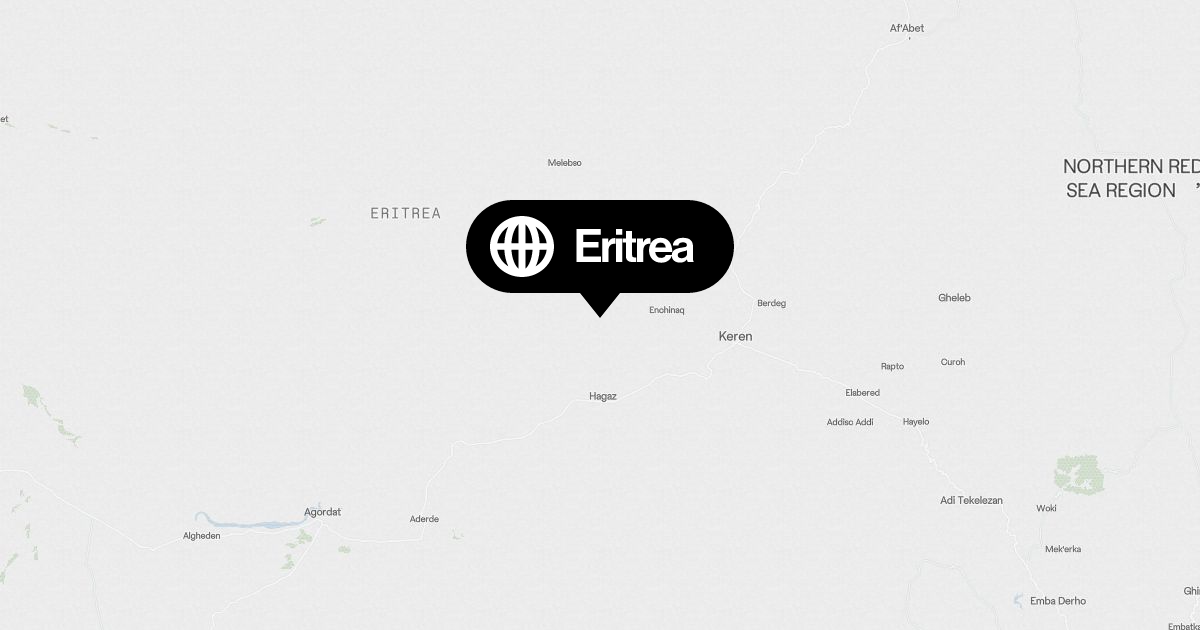
Eritrea, a small nation located in the Horn of Africa, has garnered increasing attention from global observers due to its strategic position, rich cultural heritage, and complex socio-political landscape. The country’s struggles and resilience since gaining independence from Ethiopia in 1993 are pivotal in understanding its role in regional stability and development.
Recent Developments
In recent months, Eritrea’s government, under President Isaias Afwerki, has faced both domestic and international scrutiny. Reports from various human rights organizations have highlighted ongoing concerns regarding civil liberties, political repression, and mandatory military conscription that effectively leads to indefinite service for many citizens. Despite these issues, the Eritrean government maintains a stance focused on self-reliance and sovereignty, asserting that its policies are essential for national security.
In August 2023, the United Nations reported a rare increase in dialogue between Eritrea and neighbouring Ethiopia, a relationship that has remained tense since the border conflict that erupted in 1998. The two nations have engaged in diplomatic discussions aimed at resolving outstanding issues, particularly those related to border demarcation and trade. This thaw in relations could signify a new era of cooperation, crucial for fostering stability in the volatile region.
Regional Impact and International Relations
Eritrea’s foreign policy has steered towards strengthening ties with other nations in the region, particularly through partnerships with Gulf States and China, which have shown interest in investment opportunities. These developments reflect Eritrea’s desire to be a key player in regional trade routes, especially due to its access to the Red Sea.
However, Eritrea’s relations with Western nations remain strained, primarily due to its domestic human rights record and its perceived support for armed groups in neighbouring countries, influencing regional peace efforts. This complex diplomatic landscape poses challenges and opportunities as Eritrea navigates its path forward amidst global geopolitical shifts.
Conclusion
The future of Eritrea is poised at a critical juncture. While the country faces serious internal challenges related to governance and human rights, its strategic location and potential for economic development offer a glimmer of optimism. Global watchers will need to pay close attention to how the Eritrean leadership balances these pressures and engages with its neighbours, as the outcomes could significantly impact stability in the Horn of Africa and beyond. As Eritrea moves forward, the international community remains hopeful for reforms that enhance human rights while fostering growth and cooperation.