Introduction to Flight Radar
In an age where connectivity is crucial, flight radar technology plays a significant role in air traffic management and passenger safety. Flight radar provides real-time information about aircraft movements, including departure, arrival, and altitude, enabling both aviation professionals and the general public to track flights. As air travel continues to rise, understanding this technology’s importance is more relevant than ever.
How Flight Radar Works
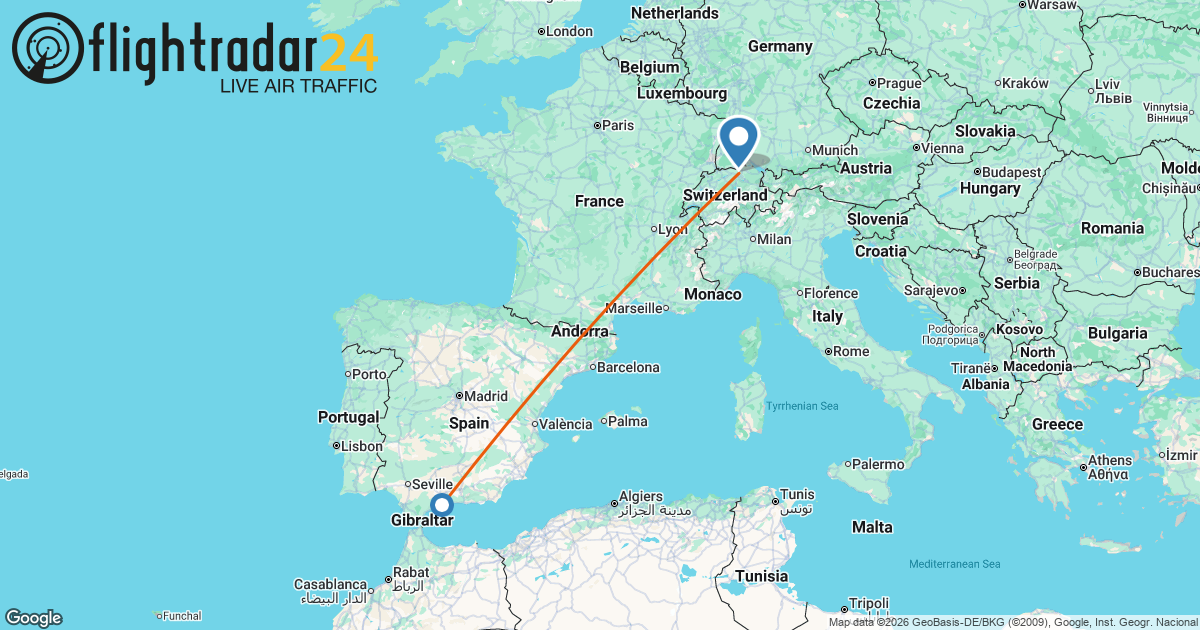
Flight radar systems use data from multiple sources including radar signals, satellite tracking, and Automatic Dependent Surveillance–Broadcast (ADS-B) technology. ADS-B allows aircraft to transmit their GPS position, which can then be received by ground stations and shared with flight tracking services. This information is compiled into user-friendly platforms that display live data about flight paths and statuses.
Recent Developments in Flight Radar Technology
Recent advancements have significantly improved flight radar capabilities. Enhanced algorithms and data integration now provide more precise tracking and faster updates. In 2023, the adoption of AI-driven analytical tools has made it possible to predict flight delays, assess air traffic congestion, and enhance overall safety measures. Moreover, flight radar services are increasingly accessible via mobile apps and websites, allowing users to monitor flights from anywhere in the world.
The Impact of Flight Radar on Air Travel
Flight radar technology has a profound impact on various stakeholders in the aviation industry. For airlines, it enhances operational efficiency by providing critical insights into routing and scheduling. For air traffic controllers, it ensures safer airspace management by allowing for better separation of aircraft. Additionally, airports benefit from the proactive handling of arriving and departing flights, reducing wait times and improving the passenger experience.
Conclusion: The Future of Flight Radar
As we move further into the digital age, the future of flight radar looks promising. With ongoing innovations, there is potential for even greater accuracy and integration with other technologies, such as blockchain for secure data sharing. This will not only improve operational efficiency in air travel but also enhance passenger safety and experience. For readers, staying informed about flight radar technology can provide valuable insights into the complex world of air travel and its continuous evolution.