Introduction
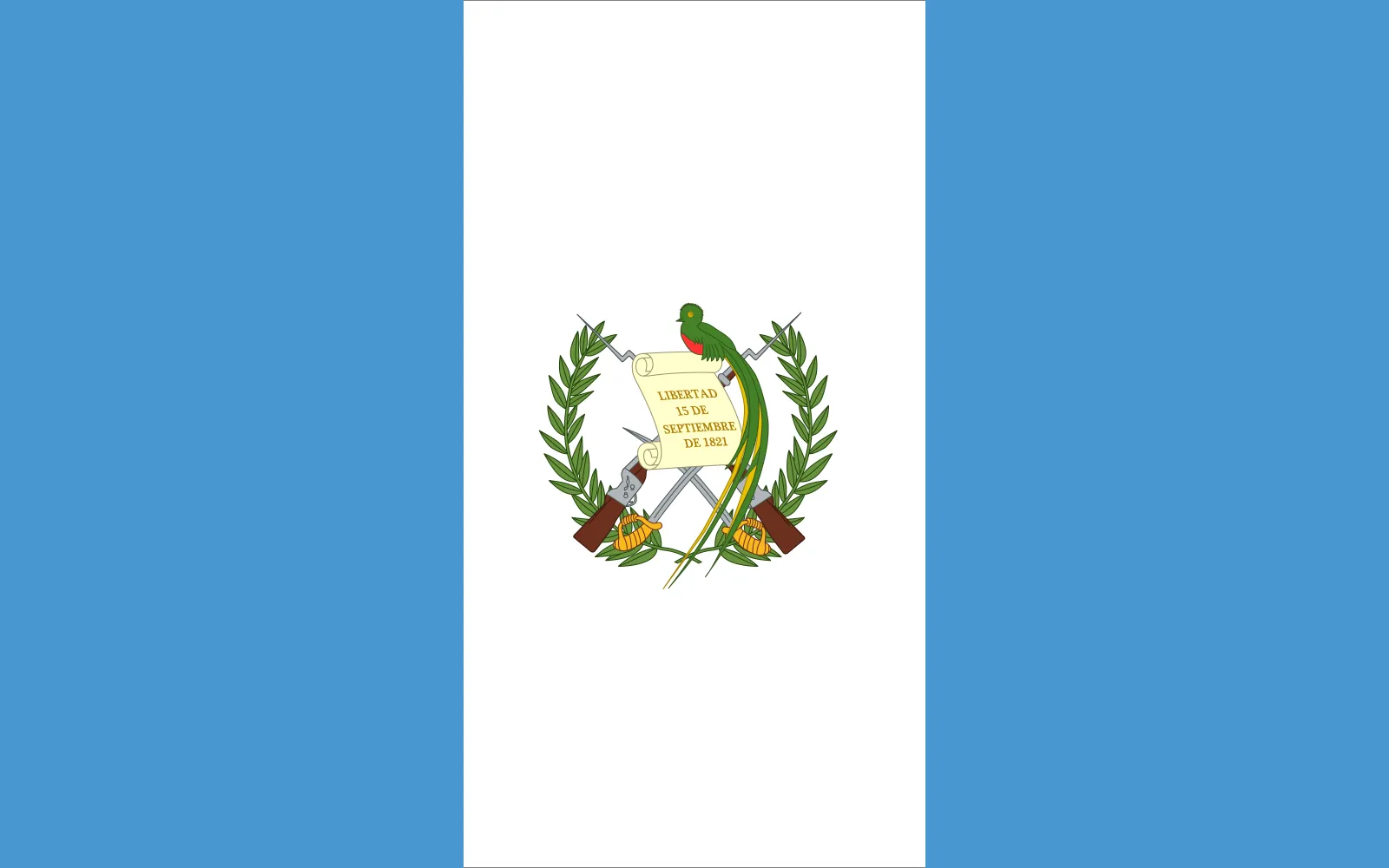
Guatemala, located in Central America, is a nation rich in culture, history, and biodiversity. It is widely known for its stunning landscapes, historical ruins, and vibrant indigenous communities. As one of the largest economies in Central America, understanding Guatemala’s cultural and economic significance is essential for grasping the region’s dynamics and its potential as a tourist destination.
Culture and Heritage
Guatemala’s cultural landscape is a tapestry woven from diverse influences, primarily from its indigenous Mayan heritage, Spanish colonialism, and modern-day developments. The country is home to 22 different indigenous groups, each with unique languages, traditions, and crafts. The rich traditions are showcased during festivals such as Semana Santa (Holy Week) and Día de los Muertos (Day of the Dead), which attract visitors from around the world.
Moreover, UNESCO recognizes several sites in Guatemala, including the ancient city of Tikal, which is renowned for its historical significance and architectural grandeur. The country’s handicrafts, including textiles and pottery, continue to represent the artistry and craftsmanship of its indigenous people.
Economic Landscape
Economically, Guatemala has made significant strides, with agriculture being the backbone of its economy. Major exports include coffee, sugar, and bananas. Recent national policies have aimed at diversifying the economy to include tourism and manufacturing. In 2022, the Guatemalan government reported a 5% increase in GDP growth, with the tourism sector being a primary contributor, owing to its rich natural and cultural assets.
However, despite positive growth, the nation faces challenges such as poverty and inequality. Approximately 59% of the population live below the poverty line, adding to the urgency for sustainable development policies.
Tourism Developments
In recent years, Guatemala has witnessed a surge in tourism, with arrivals increasing annually. The government has actively promoted tourism through initiatives aimed at improving infrastructure, such as roads and accommodations. In 2022, Guatemala was named one of the top 10 emerging destinations by several travel publications. Attractions such as Lake Atitlán, Antigua Guatemala, and the Mayan ruins continue to entice both local and international tourists.
Conclusion
In conclusion, Guatemala stands as a nation of immense cultural wealth and economic potential. While it has made progress, embracing tourism and enhancing agricultural exports, the road ahead requires addressing social disparities and sustainable practices. For readers, understanding the dynamics of Guatemala offers insights into both its challenges and opportunities, making it a country worth exploring both culturally and economically.