Introduction
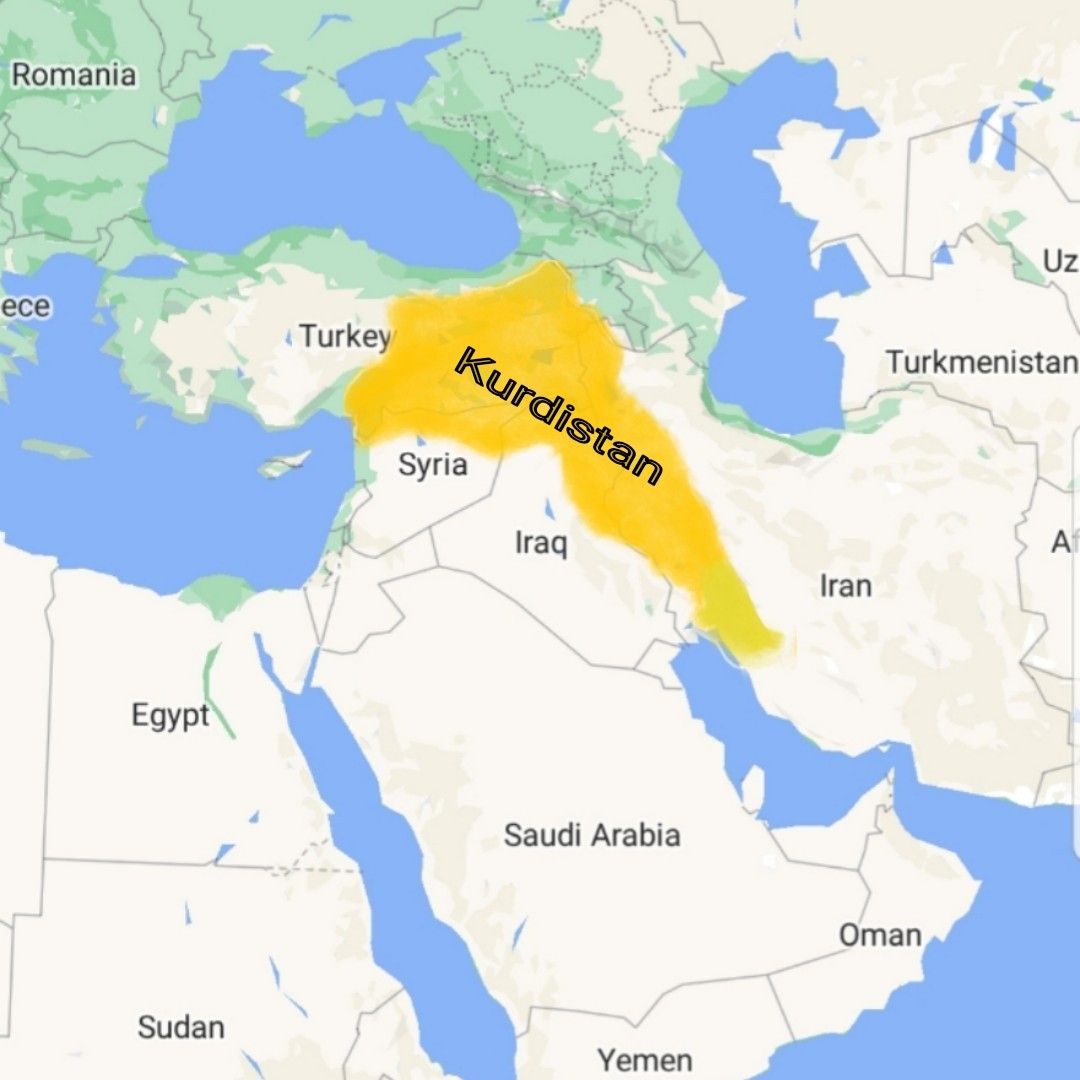
Kurdistan, a region spanning across parts of Turkey, Iraq, Syria, and Iran, has become increasingly significant in global discussions regarding cultural identity and geopolitical stability. The Kurdish people, who inhabit this area, have a rich history and a vibrant culture, yet they face numerous challenges including political oppression and territorial disputes. Understanding Kurdistan’s role in the Middle East is essential for grasping the complexities of the region.
Current Events and Cultural Insights
In recent months, there has been a push for greater autonomy in the Kurdish regions, particularly in Iraq where the Kurdistan Regional Government (KRG) asserts its role as a fledgling government since gaining autonomy in 2005. According to the KRG, their economy has been significantly impacted by the international oil markets, leading to both prosperity and challenges in governance. Recent agreements with global powers to develop oil fields signal a growing interest in the region’s resources. However, tensions with Baghdad over budget allocations have sparked protests and political instability within the region.
Moreover, Kurdish culture is increasingly gaining international recognition through literature, music, and art, with Kurdish diaspora artists achieving recognition on global platforms. Cultural events, such as the Newroz or Kurdish New Year celebrations, have been pivotal in uniting Kurds worldwide and asserting their cultural identity.
Geopolitical Significance
Geopolitically, the Kurdish region stands at a crossroads of Middle Eastern politics, with its fate often tied to the interests of larger nation-states. The ongoing conflict in Syria has further complicated the situation, with Kurdish forces playing a crucial role in combating ISIS. As a result, the US and other nations have found themselves engaging with Kurdish forces, which fosters a sense of empowerment among Kurds, yet raises concerns regarding reactions from Turkey and Iran towards Kurdish autonomy and aspirations.
Conclusion
The future of Kurdistan and its people remains uncertain amid ongoing geopolitical dynamics. The region’s rich cultural heritage continues to inspire a sense of identity among Kurds, while political struggles highlight the need for recognition and rights within an often turbulent environment. As global attention towards the Middle East evolves, so too does the significance of Kurdistan, presenting opportunities for both challenges and discussions about self-determination and cultural identity. For readers, following the developments in Kurdistan is not only a matter of regional interest but also a critical component of understanding international relations and human rights in the 21st century.