Introduction
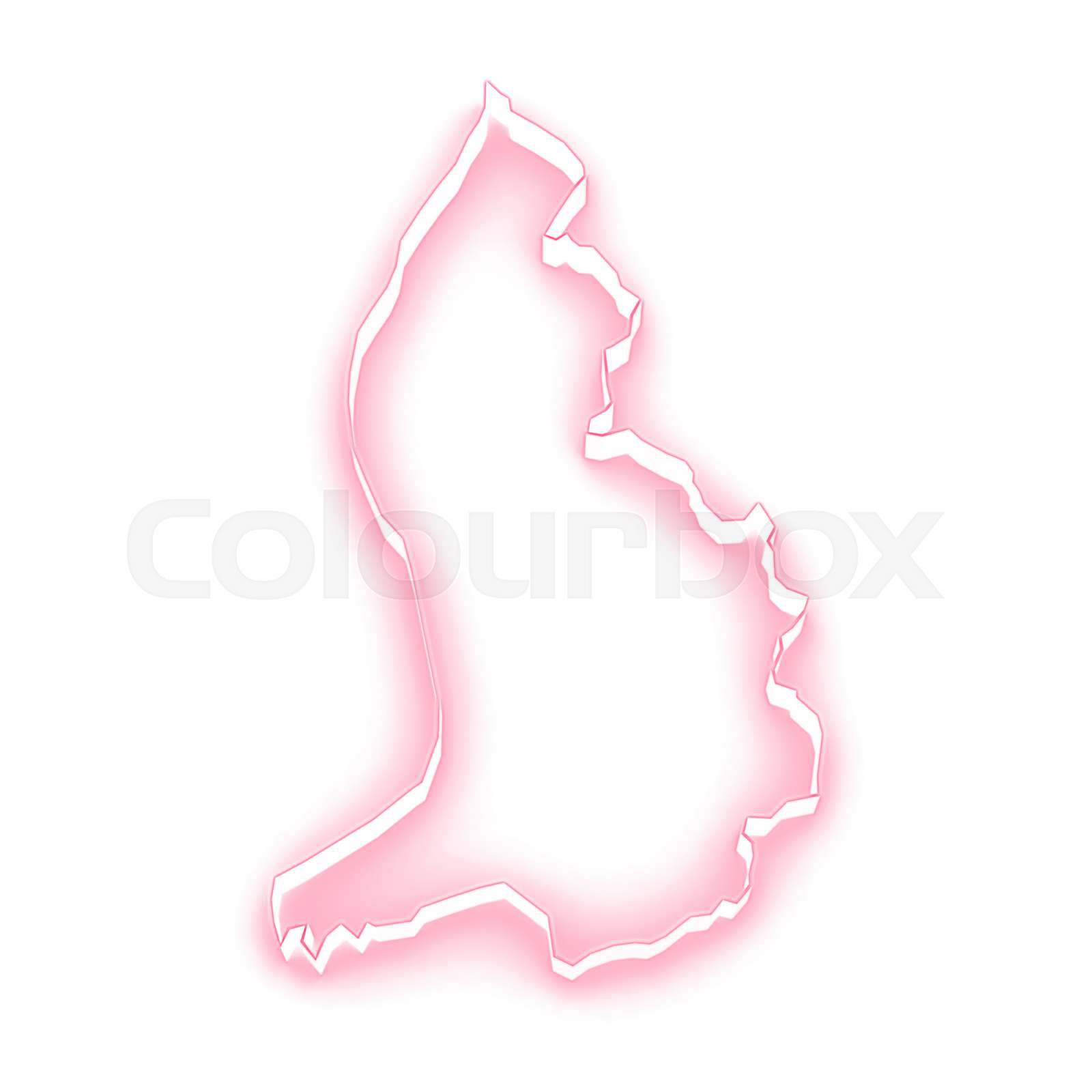
Liechtenstein, a small landlocked country located between Switzerland and Austria, holds a unique position in Europe both demographically and politically. With an area of just over 160 square kilometres, this principality is one of the smallest countries in the world. Despite its modest size, Liechtenstein boasts a rich cultural heritage, a robust economy, and a stable political environment, making it an intriguing subject of study.
A Brief Overview of Liechtenstein
Founded in 1719, Liechtenstein became a principality in the Holy Roman Empire and remains a constitutional monarchy today. The reigning Prince, Hans-Adam II, has significant powers, although he has delegated most of his responsibilities to his son, Prince Joseph Wenzel. The country is known for its high standard of living, with a GDP per capita that consistently ranks among the highest in the world.
Economy and Industry
Liechtenstein’s economy is notable for its strong financial sector, which includes a well-established banking system and a thriving investment environment. The country is a leader in the manufacturing sector as well, with key industries that include precision instruments, electronics, and machinery. As of 2023, approximately 30% of the workforce is employed in the manufacturing sector, and many businesses benefit from the favourable tax climate, making it an attractive destination for foreign investment.
Social and Cultural Highlights
The culture of Liechtenstein is a blend of German, Austrian, and Swiss influences, reflected in its languages, cuisine, and traditions. German is the official language, and an array of dialects and cultural practices contribute to a rich tapestry of social identity. The country’s vibrant cultural scene includes numerous festivals, museums, and a thriving music community. Significant annual events, such as the Winter Sports Festival and the Liechtenstein National Festival, highlight the country’s community spirit and commitment to culture.
Conclusion
Liechtenstein may be small, but its impact on the European landscape is substantial. Its unique blend of historical roots, economic stability, and cultural richness makes it worthy of attention. As globalisation continues to evolve, Liechtenstein stands to either play a larger role in European affairs or maintain its quietly influential stature. For those interested in the intersection of politics, culture, and economy, Liechtenstein represents a fascinating case study.