Introduction
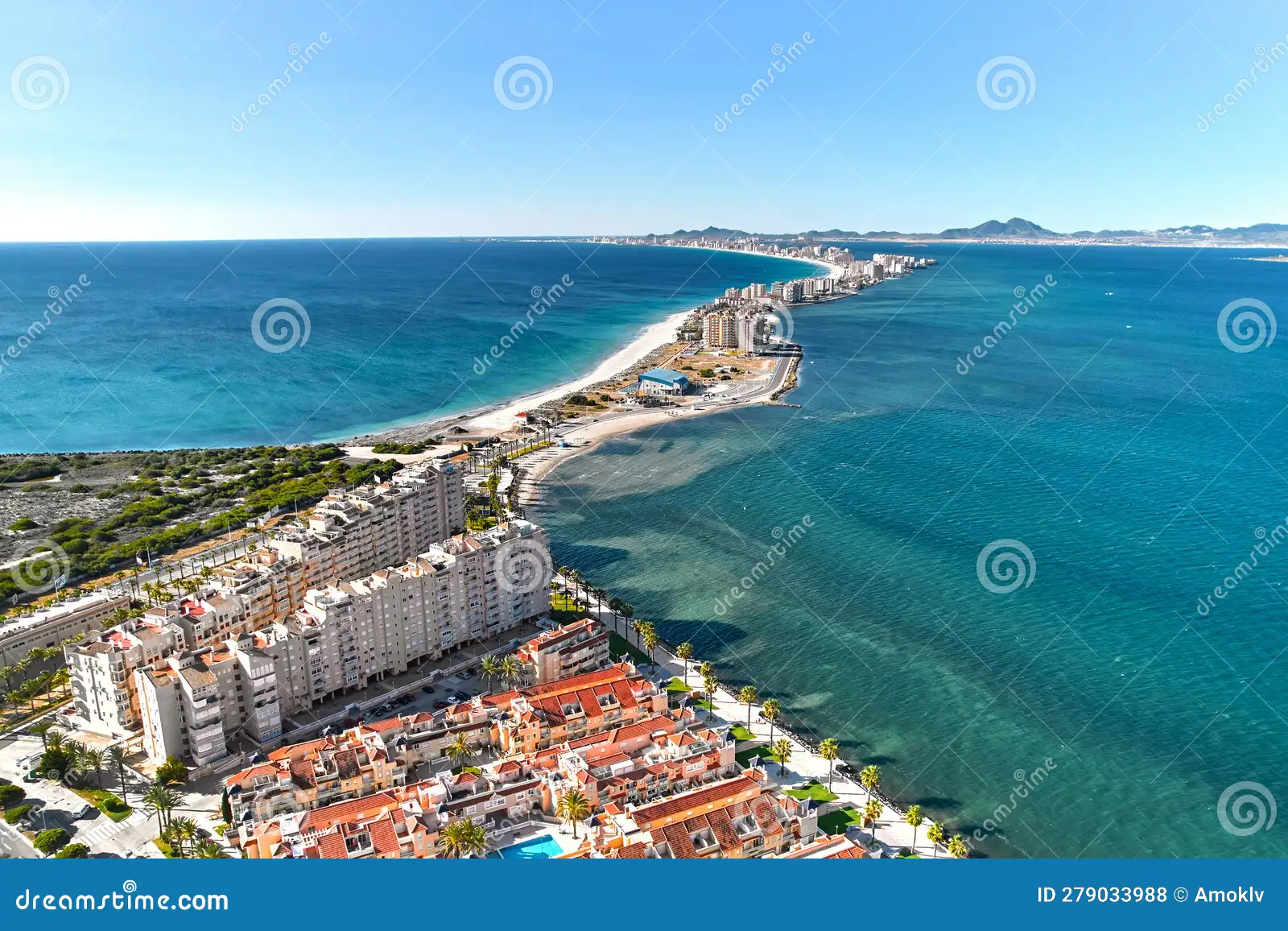
Mar Menor, often referred to as one of Europe’s largest saltwater lagoons, is a unique coastal ecosystem located in southeastern Spain. This inland sea, separated from the Mediterranean by a narrow sandbar known as La Manga del Mar Menor, plays a crucial role in the region’s biodiversity, tourism, and local economy. However, it currently faces significant environmental challenges, making the understanding of its status more important than ever.
Current Environmental Challenges
The Mar Menor has been under increasing threat due to pollution, urbanisation, and climate change. Agricultural runoff has contributed to significant nutrient enrichment, leading to harmful algal blooms that deplete oxygen in the water, creating dead zones. In recent years, these ecological issues culminated in a crisis that saw fish kills and beach closures, sparking public outcry and demands for immediate action.
In September 2021, images of the lagoon turning a bright green due to algae spread virally, bringing international attention to Mar Menor’s plight. Local environmental groups and activists have mobilised, calling for urgent reforms in agricultural practices and stricter regulations to protect this delicate ecosystem from further deterioration.
Conservation Efforts
The regional government of Murcia, alongside various NGOs, has initiated several conservation efforts aimed at restoring the Mar Menor. Measures such as re-establishing wetlands, improving waste management systems, and establishing marine protected areas are being discussed and implemented. Furthermore, increased monitoring and awareness programs have also been introduced to educate both locals and tourists on sustainable practices.
The scientific community plays a pivotal role in these conservation efforts, with researchers studying the impacts of climate change on the lagoon and suggesting evidence-based solutions. Collaborations between local governments, scientists, and communities are essential to ensure that the Mar Menor can recover and thrive for future generations.
Conclusion
The fate of Mar Menor is a reflection of the broader environmental challenges faced by coastal ecosystems around the world. Its health is paramount, not only for the biodiversity it houses but also for the communities that depend on its resources. As awareness grows and conservation initiatives continue to evolve, there is cautious optimism for the revival of this unique lagoon. Continued efforts from the government, scientists, and the community will be essential in safeguarding Mar Menor for future generations, ensuring that both its ecological and economic significance is preserved.