Introduction
North Macedonia, a landlocked country situated in the Balkan Peninsula, has been in the spotlight recently due to its rich cultural heritage and significant geopolitical developments. The nation, which declared independence from Yugoslavia in 1991, has seen considerable changes in its political landscape and economic progress, making it an important case study in the region.
Cultural Heritage and Diversity
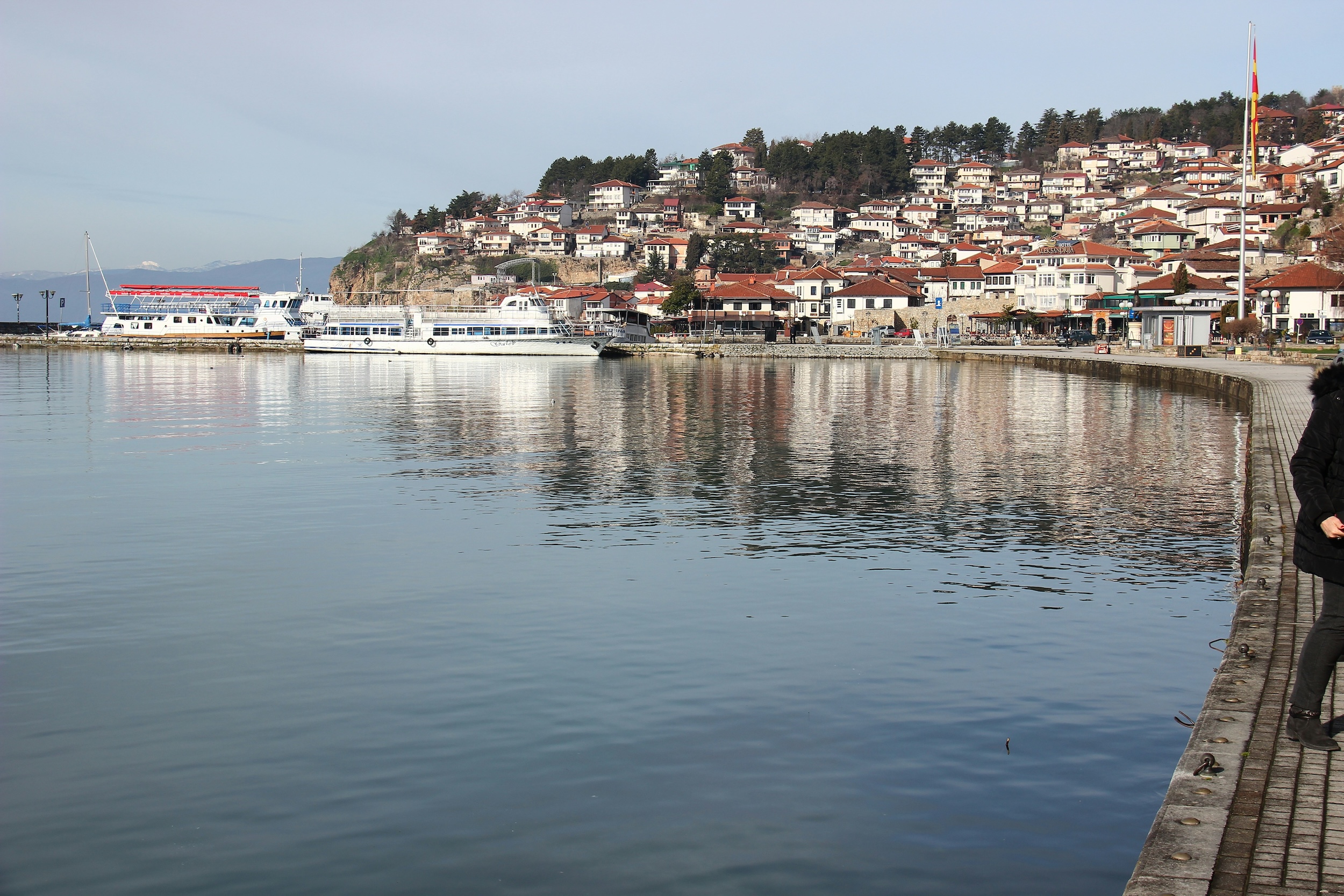
North Macedonia is known for its diverse population, which includes ethnic Macedonians, Albanians, Turks, Roma, and Serbs. This mixture of cultures contributes to a vibrant social fabric, reflected in the country’s traditions, languages, and festivals. Notable cultural sites such as the ancient city of Ohrid, a UNESCO World Heritage site, attract tourists and historians alike, showcasing the region’s significance from Roman times through the Byzantine Empire.
Economic Growth and Challenges
In recent years, North Macedonia has demonstrated impressive economic growth, buoyed by foreign investments and a focus on improving its business environment. The government has initiated reforms targeting transparency, tax incentives, and infrastructure development, particularly in areas like technology and manufacturing. According to the World Bank, the GDP growth rate for 2023 has been projected at around 3.5%, a slight recovery following global economic challenges.
Geopolitical Significance
The geopolitical landscape of the Balkans makes North Macedonia particularly significant. As a member of NATO since 2020, the country plays a crucial role in regional security and stability. Moreover, North Macedonia’s aspirations to join the European Union signal its commitment to democratic reforms and economic integration. However, ongoing disputes with neighbouring countries, particularly regarding historical narratives and minority rights, pose challenges to its progress.
Conclusion
North Macedonia stands at a crossroads, balancing cultural richness and economic ambitions with complex geopolitical realities. As the nation continues to evolve, its journey offers valuable insights into the possibilities and challenges faced by smaller states in a rapidly changing world. Observers expect that with continued reforms and stability, North Macedonia could become a key player in fostering cooperation and growth in the Balkans.