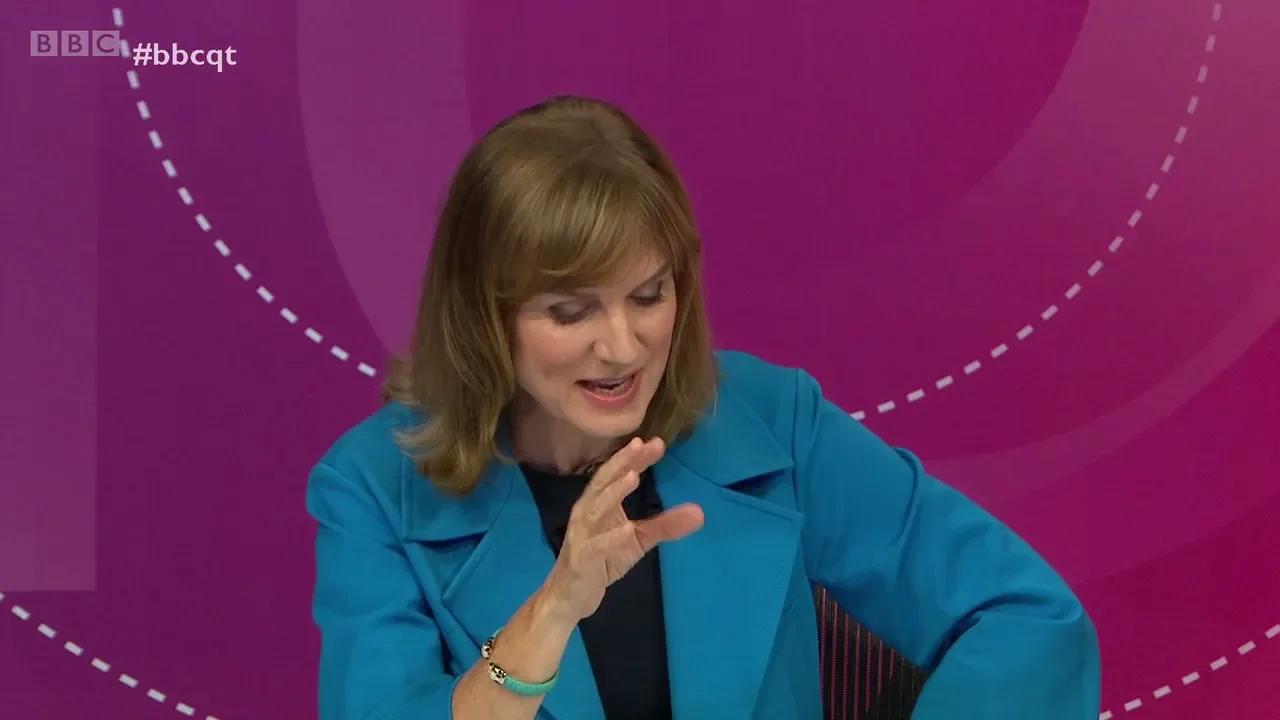
Introduction to Question Time
Question Time is a vital component of the UK Parliament’s schedule, providing a platform for Members of Parliament (MPs) to question government ministers about their responsibilities and current issues. It is a fundamental aspect of parliamentary democracy, ensuring transparency and accountability within the government. As political discourse evolves, understanding how Question Time operates is crucial for the public in holding elected officials to account.
The Structure and Purpose of Question Time
Held weekly in both the Houses of Commons and Lords, Question Time allows MPs to raise queries on a wide range of topics, from domestic policies to international relations. Typically, ministers face questions from opposition and backbencher MPs, enhancing the scrutiny of government actions. Prime Minister’s Questions (PMQs) is one of the most noted sessions, where the Prime Minister must respond to questions from MPs, often leading to dynamic exchanges that highlight political tensions.
Recent Developments and Events
In the latest sessions, the focus has shifted to pressing issues such as the ongoing economic recovery post-COVID-19, energy policies, and responses to the cost-of-living crisis. Recent reports indicate heightened scrutiny of the government’s handling of these critical matters, as opposition leaders have seized the opportunity to challenge the Prime Minister’s strategies and commitments during these high-profile sessions.
Moreover, there has been a notable increase in public engagement, with many citizens turning to live broadcasts and social media to follow the events of Question Time. While the political atmosphere can be contentious, it serves a crucial role in allowing citizens insight into decision-making processes within the government.
Conclusion: The Importance of Question Time
Question Time remains a cornerstone of parliamentary democracy, essential for promoting accountability and government transparency. As political challenges evolve, so too does the significance of this parliamentary tradition. It is crucial for the public to remain informed and engaged with these discussions, as they shape the policies that directly impact the lives of UK citizens. Moving forward, the ability of Question Time to adapt to the changing political landscape will determine its effectiveness in serving its primary purpose of oversight and accountability.