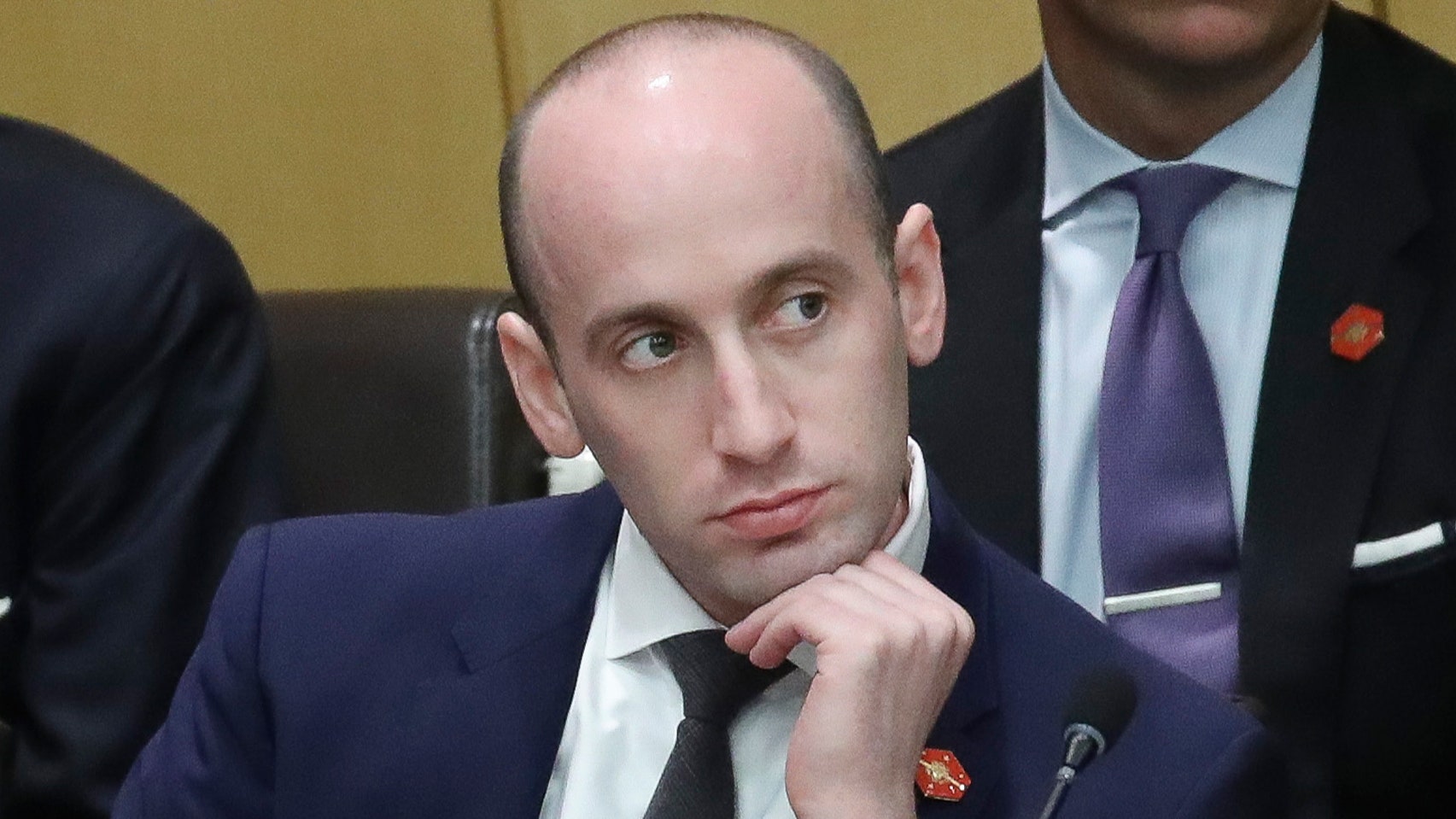
Introduction: Who is Stephen Miller?
Stephen Miller, a prominent political figure in the United States, has played a crucial role in shaping immigration policies and political rhetoric since his time as a senior advisor to former President Donald Trump. His influence continues to be a subject of discussion in the current political landscape, particularly as America grapples with immigration reform and changing demographics.
Early Life and Career
Miller was born on August 23, 1985, in Santa Monica, California. He attended Duke University, where he became involved in conservative politics, serving as the keynote speaker at a College Republicans event. His early career includes working as a press secretary for various Republican legislators before landing a position in Trump’s 2016 campaign, where he quickly emerged as a key figure in formulating the candidate’s agenda.
Influence on Immigration Policy
One of Miller’s most significant contributions has been his aggressive stance on immigration. As a chief architect of the Trump administration’s immigration policies, he was instrumental in promoting the controversial travel ban targeting several predominantly Muslim countries and advocating for strict border security measures. His hard-line approach to immigration has sparked debate and controversy, but it also resonated with many voters who supported the Trump agenda.
Post-Trump Era: Continued Advocacy
Following the end of the Trump administration, Miller founded America First Legal, an organisation that aims to promote conservative legal action on issues such as immigration and voter integrity. His continued advocacy for hardline policies suggests that even as the political landscape shifts, his influence remains strong among a segment of the Republican base.
Public Perception and Criticism
Miller’s rhetoric and policies have elicited strong reactions from both supporters and critics. Supporters argue that his strategies are necessary for national security and upholding American values, while critics accuse him of fostering division and xenophobia. This polarisation exemplifies the heightened tensions that exist in contemporary American political discourse.
Conclusion: The Future of Stephen Miller
As the United States continues to navigate its identity in a rapidly changing world, Stephen Miller’s role in shaping conversations around immigration and national security will likely persist. With considerable backing from factions within the Republican Party, assessments of his future will remain relevant, particularly as midterm elections approach and immigration policies are debated anew. Understanding figures like Miller is essential for those looking to comprehend the complexities of modern American politics.