The Importance of Heatwaves in Australia
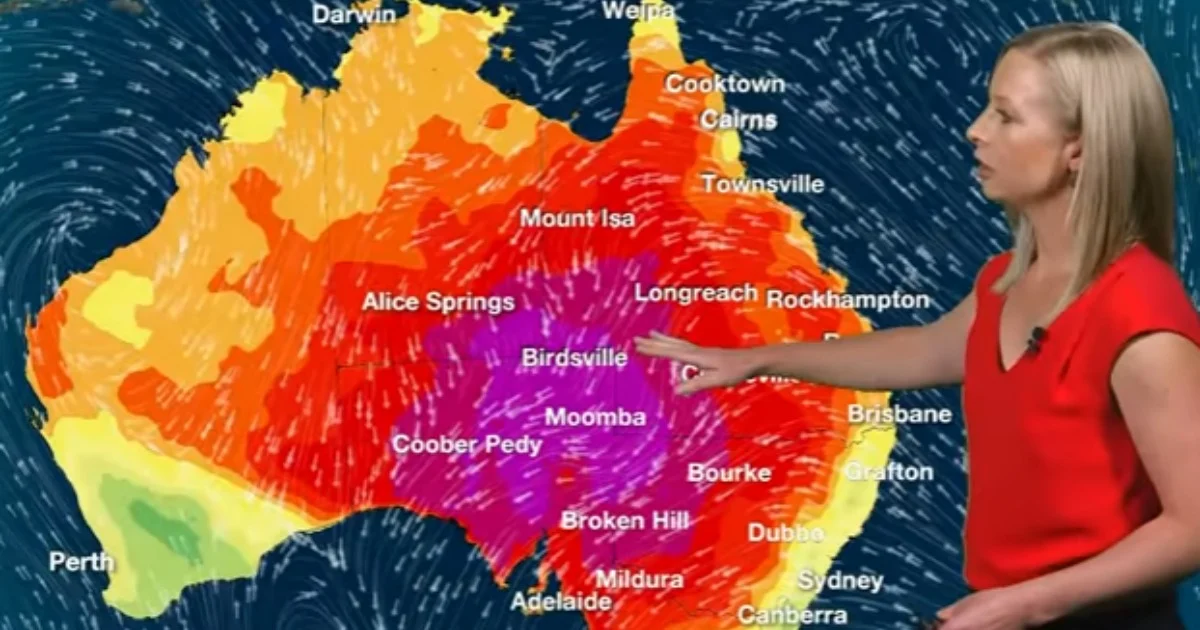
Australia is experiencing one of its most intense heatwaves in recent years, with temperatures soaring across various regions. Heatwaves pose significant risks to health, agriculture, and infrastructure. Understanding their causes, effects, and how to cope is vital for both residents and authorities as the country faces increasingly frequent and severe climatic events due to climate change.
Current Climate Conditions
As of October 2023, meteorological reports indicate that parts of Queensland, New South Wales, and even areas of South Australia are facing temperatures exceeding 40 degrees Celsius. The Australian Bureau of Meteorology has issued heat warnings, advising residents to limit outdoor activities, especially those vulnerable to heat-related illnesses, such as the elderly, children, and those with existing health conditions.
Experts attribute this severe heatwave to a combination of factors, including a prolonged lack of rainfall leading to dry conditions, as well as high-pressure systems that trap hot air over the continent. The impact of climate change continues to amplify such weather patterns, making what was once a sporadic event more common.
Impact on Health and Environment
The ongoing heatwave has numerous implications for public health, with hospitals reporting an increase in heat-related admissions. The extreme conditions have also raised concerns for outdoor workers, who are at risk of heat exhaustion and heat stroke. Additionally, agricultural sectors face challenges, with crops wilting under the unrelenting sun and livestock requiring more water and feed to cope with the heat stress.
Government and Community Response
In response to the unfolding crisis, local governments are activating emergency plans, which include opening cooling centres in public spaces and enhancing support for vulnerable populations. Public health campaigns are underway to educate residents about the importance of hydration, recognising the signs of heat-related illness, and the need for precautionary measures.
Looking Ahead
As Australia continues to grapple with these extreme weather occurrences, it becomes increasingly necessary for communities to adapt to a changing climate. The frequency of heatwaves is projected to rise, highlighting the need for robust climate adaptation strategies and infrastructure improvements to better withstand these conditions. For individuals, staying informed and prepared can make a significant difference in mitigating the risks associated with heatwaves.