Introduction
In today’s digital landscape, organisations face an ever-increasing number of security threats, from data breaches to ransomware attacks. The importance of incident response plans (IRPs) has never been more apparent. These structured approaches enable businesses to swiftly respond to and recover from security incidents, thus minimising potential damage and preserving trust. With cyber threats evolving continuously, having a comprehensive incident response plan is crucial to maintaining an organisation’s integrity and protecting sensitive information.
What is an Incident Response Plan?
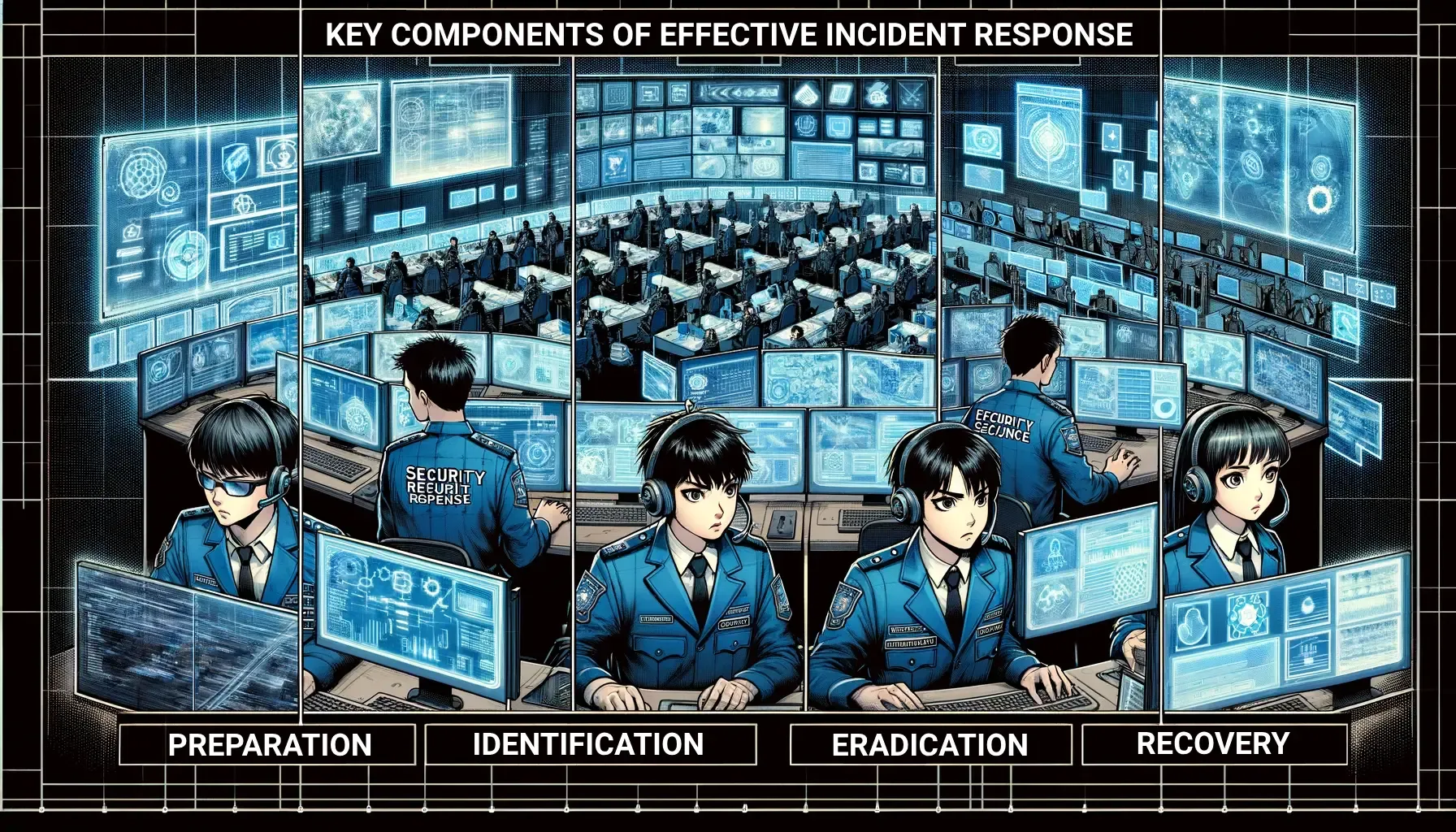
An incident response plan is a documented strategy that outlines the procedures an organisation follows to identify, respond to, and recover from security incidents. An effective IRP encompasses several phases, including preparation, detection, analysis, containment, eradication, recovery, and post-incident review. By clearly defining roles and responsibilities, organisations can ensure a coordinated response that mitigates risks and reduces response time.
Recent Developments in Incident Response
The urgency for robust incident response plans has been underscored by recent high-profile cyber-attacks. For instance, the 2023 breaches affecting prominent companies have highlighted the devastating impact that inadequate incident response can have. Many organisations have since recognised the need to update and streamline their IRPs to incorporate lessons learned from these incidents. In response, cybersecurity firms have begun offering more sophisticated training and tools designed to enhance incident response capabilities.
The Role of Technology
Technology plays a vital role in the execution of incident response plans. Advancements in artificial intelligence and machine learning now allow organisations to detect irregular activities faster than ever. These tools can provide real-time alerts and enable security teams to act quickly before an incident escalates. Furthermore, many organisations are adopting automated response solutions to streamline their processes, allowing human resources to focus on more complex tasks.
Conclusion
In conclusion, incident response plans are not just a regulatory necessity but a fundamental aspect of modern business operations. As cyber threats continue to grow in complexity and frequency, organisations must prioritise the development and regular updating of their IRPs. Future investments in cybersecurity will likely centre around enhancing these plans, integrating advanced technologies, and conducting continuous training exercises. By doing so, businesses can fortify their defences, ensuring they are prepared to handle any incidents that arise.