Introduction
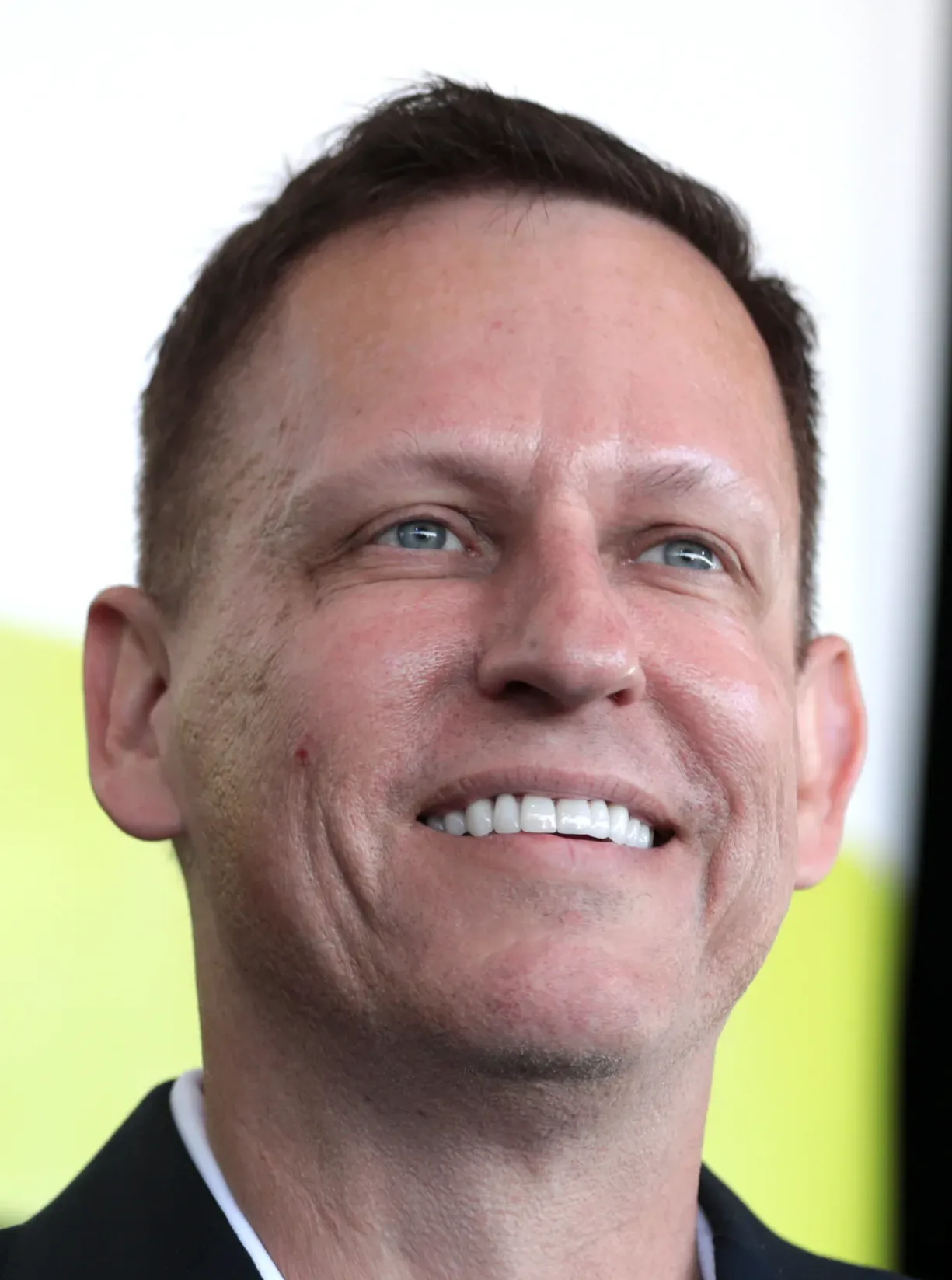
Peter Thiel is a prominent figure in the world of technology and finance, known for his pivotal role in Silicon Valley’s evolution. As a co-founder of PayPal and an early investor in Facebook, Thiel’s influence extends beyond business, impacting political and social landscapes. His insights and ventures continue to spark discussions, underscoring the relevance of his philosophies in today’s rapidly changing environment.
Thiel’s Career and Contributions
Born in Frankfurt, Germany, in 1967, Peter Thiel moved to the United States at a young age. He graduated from Stanford University, where he studied philosophy. In 1998, Thiel, along with Max Levchin and Elon Musk, founded PayPal, revolutionising online payments. His foresight and investment acumen have made him a cornerstone of the tech industry.
After PayPal’s sale to eBay for $1.5 billion in 2002, Thiel focused on venture capital. He established Founders Fund, investing in budding startups that now dominate the tech space, such as SpaceX and Airbnb. His approach often emphasises innovation over conformity, advocating for bold ideas that challenge the status quo.
Recent Developments and Perspectives
In 2023, Thiel’s influence remains significant, particularly in discussions about technology’s role in society and the economy. His involvement in political circles has also garnered attention, especially his support for candidates promoting free market principles. As debates around technology regulation and ethical considerations grow, Thiel’s voice is prominent, often calling for less government interference and more entrepreneurial freedom.
Moreover, Thiel has expressed concerns over the current pace of technological advancement and its implications for democracy and individual freedoms. He argues that the stagnation in certain industries could hinder innovation and overall progress, suggesting that a revival of the risk-taking spirit is essential for future breakthroughs.
Conclusion
Peter Thiel’s enduring impact on technology and investment speaks volumes about his vision and ambitions. As he navigates the complex landscape of modern enterprises and political ideologies, his influence will likely continue to shape discussions within both sectors. For readers, understanding Thiel’s perspectives provides valuable insights into the future directions of technology and its intersection with society, making it clear that his contributions remain as relevant today as they were in the early days of the internet.