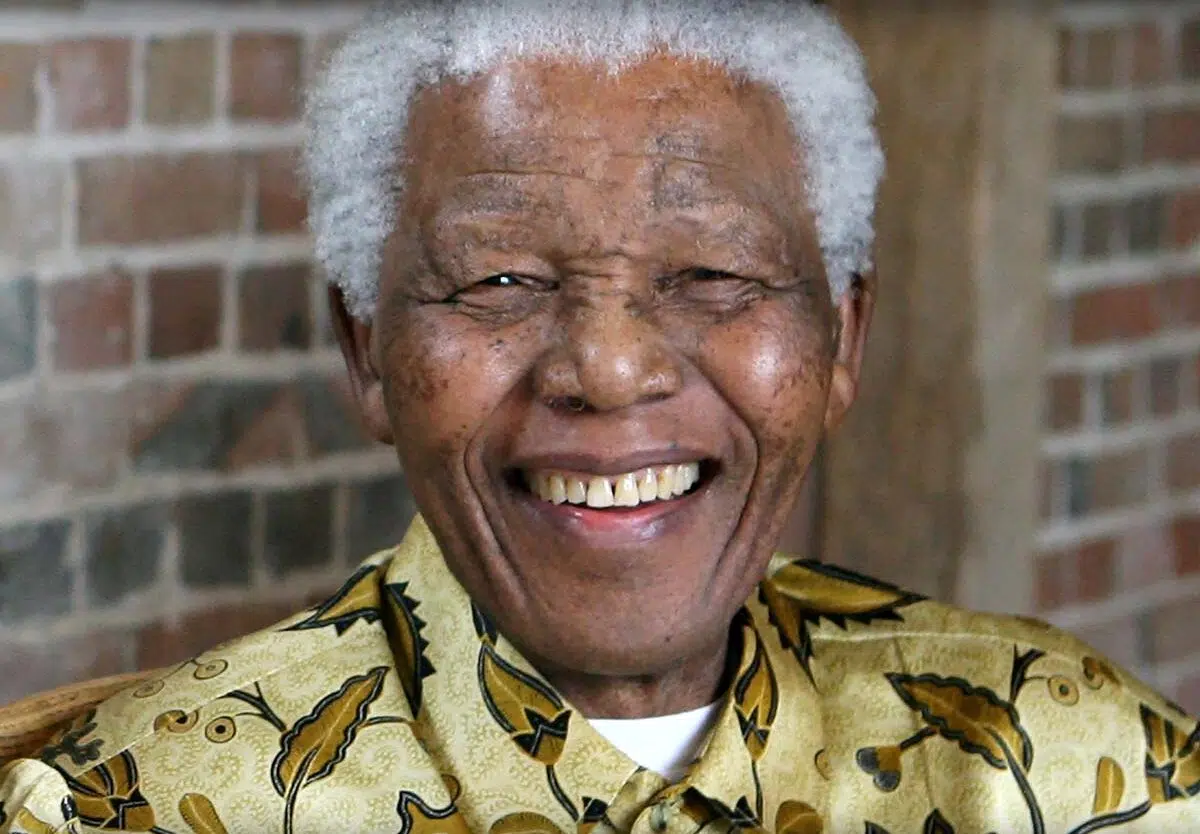
Introduction to Nelson Mandela
Nelson Mandela, the first black president of South Africa, remains a symbol of resistance against oppression and a champion for equality and human rights. His journey from prisoner to president highlights the profound struggles and transformative changes in South Africa during the 20th century. In a world still grappling with issues of racial inequality and injustice, Mandela’s legacy is more relevant than ever.
The Early Years
Born on July 18, 1918, in the village of Mvezo, Mandela was a member of the Thembu royal family. He pursued higher education, ultimately becoming involved in anti-colonial and African nationalist politics. His commitment to the African National Congress (ANC) led him into direct opposition with the apartheid regime, which enforced systemic racial discrimination.
Imprisonment and Global Awareness
In 1962, Mandela was arrested and eventually sentenced to life imprisonment in 1964 for his efforts to dismantle apartheid. His imprisonment garnered international attention, transforming him into a powerful symbol of the anti-apartheid movement. Protests and campaigns for his release were launched worldwide, bringing attention to the injustices of the apartheid system.
Presidency and Reconciliation
Following his release in 1990, Mandela played a vital role in the transition from apartheid to a multiracial democracy, culminating in his election as South Africa’s first black president in 1994. His leadership was marked by a focus on reconciliation between the country’s racial groups, embodied in his famous phrase, “forgiveness liberates the soul.”
Global Influence and Legacy
Mandela’s impact transcended borders; he became an advocate for peace, education, and humanitarian efforts across the globe. Establishing the Nelson Mandela Foundation, he continued to champion issues such as HIV/AIDS awareness and social justice long after his presidency. His birthday, July 18, is celebrated as Nelson Mandela International Day, encouraging individuals to commit 67 minutes of service to their communities, representing his 67 years of public service.
Conclusion
Nelson Mandela passed away on December 5, 2013, but his legacy endures. As the world continues to face challenges of inequality and injustice, Mandela’s teachings and example serve as a beacon of hope and inspiration. His life story reminds us that with perseverance, compassion, and a commitment to justice, significant change is attainable. As we reflect on his contributions, the call to action remains clear: to continue working towards a fairer and more peaceful world.