Introduction
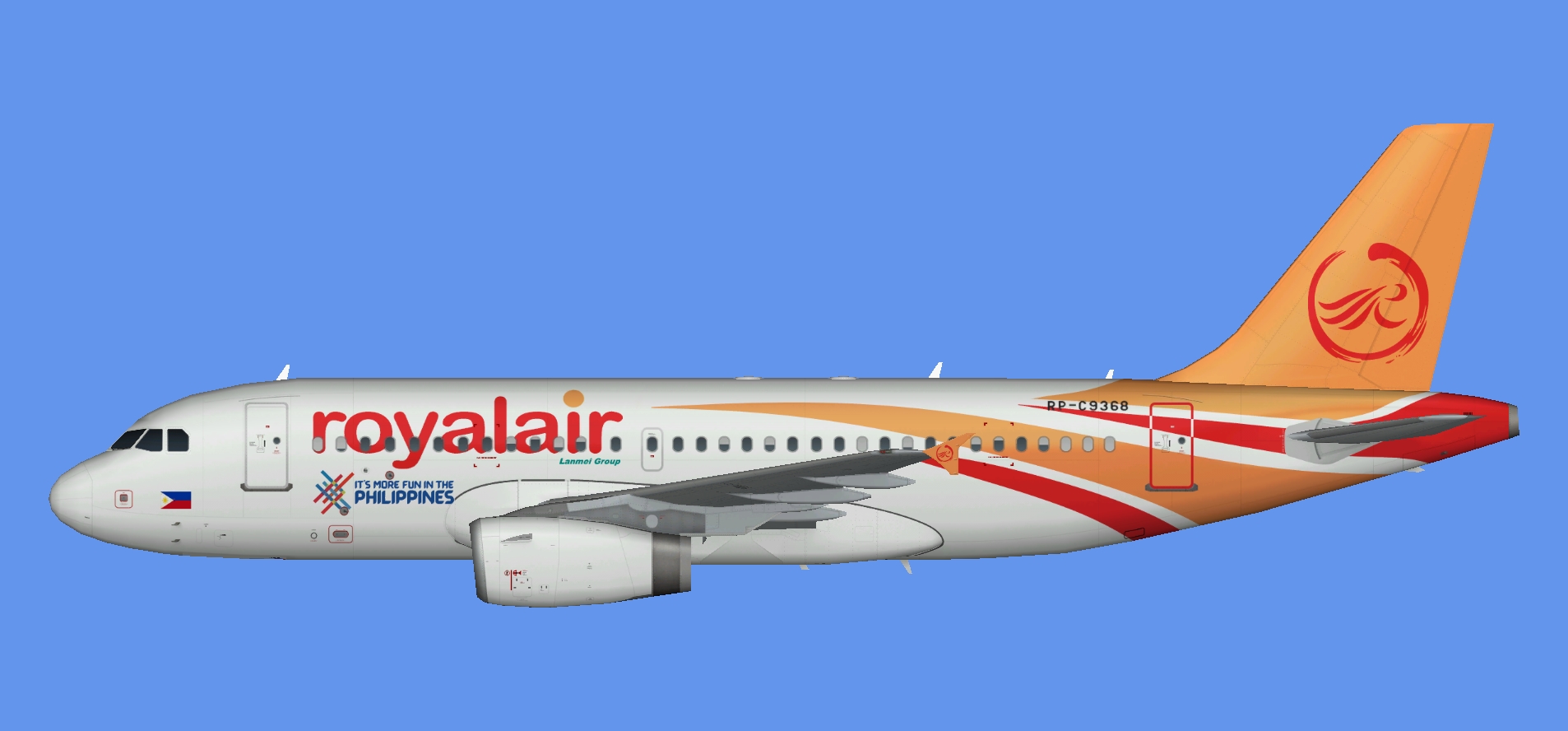
The announcement of Royal Air Philippines’ impending liquidation has sparked significant discussion regarding its impact on the local aviation sector and the livelihoods of its employees. Established in 1995, the airline contributed to the connectivity of the Philippines, particularly for domestic and regional flights. As the country continues to recover from the effects of the COVID-19 pandemic, the closure of this carrier raises concerns about the future of air travel in the region.
Details Surrounding the Liquidation
Selecting a provider for air travel can often be a difficult decision for consumers. Royal Air struggled with financial challenges exacerbated by the pandemic, resulting in decreased passenger demand and a high operational cost ratio. The Department of Transportation confirmed that the airline filed a notice of voluntary liquidation in September 2023, indicating its inability to meet financial obligations.
As the airline begins winding down operations, approximately 1,200 employees will be affected, prompting concern about job security in an already challenged market. The management of Royal Air Philippines emphasised their commitment to providing support to affected staff during this transition period, offering severance packages and assistance in finding new employment opportunities.
Implications for the Aviation Sector
The liquidation of Royal Air serves as a wake-up call for the Philippine aviation industry. Analysts believe this event may lead to increased scrutiny over financial management among airlines, especially as the sector continues its recovery from the pandemic’s effects. Industry experts are already hinting at potential opportunities for larger airlines to absorb lost routes and market share, which could dramatically reshape the competitive landscape.
Conclusion
The liquidation of Royal Air Philippines marks a significant milestone in the history of Philippine aviation. As the industry braces for the implications of the airline’s exit, stakeholders must monitor the evolving landscape. The situation underscores the importance of financial resilience in the aviation sector, especially in times of crisis. While this event presents challenges, it also offers an opportunity for remaining and emerging airlines to rethink strategies and reinforce their positions in a recovering market. As developments unfold, consumers and potential passengers will need to adapt to the changing dynamics of travel in the Philippines.