Introduction
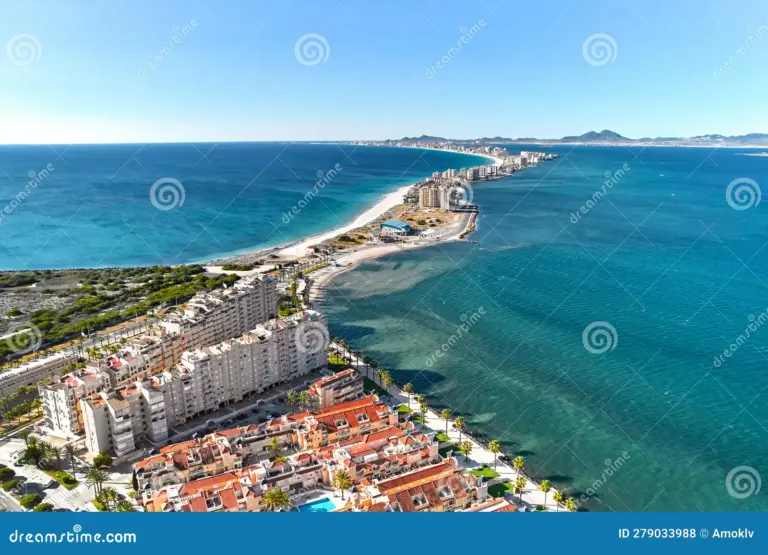
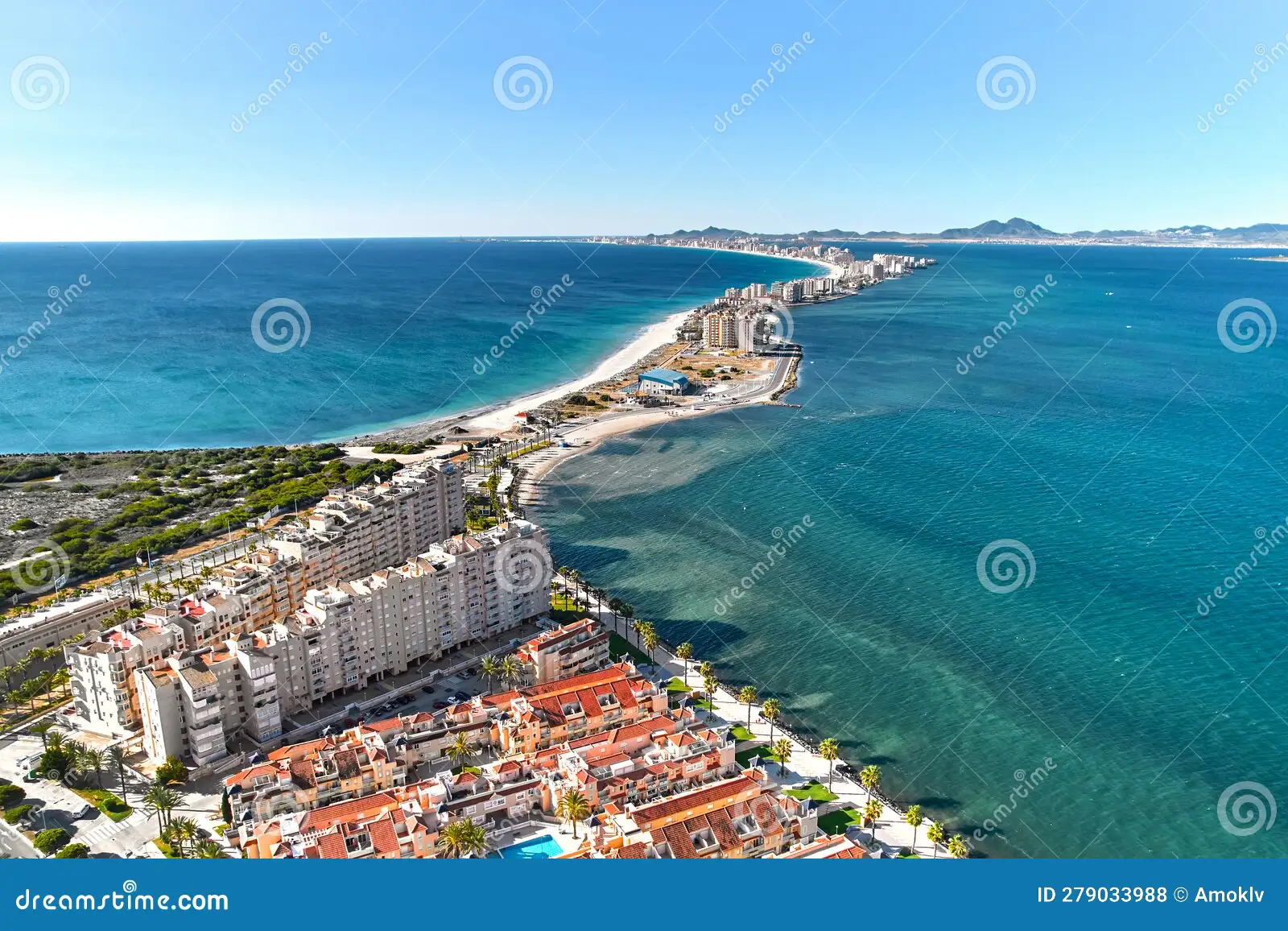
The Mar Menor, located in the Murcia region of Spain, is Europe’s largest saltwater lagoon and holds significant ecological and economic importance. This unique natural environment is facing unprecedented challenges, including pollution and habitat degradation, which threaten its biodiversity and local tourism. Recent events have heightened awareness of these pressing issues, making it crucial to explore the current state of the Mar Menor and its significance for both the local community and the broader European ecological landscape.
Current Challenges Facing Mar Menor
As of late 2023, the Mar Menor has been subjected to heightened ecological stress due to agricultural runoff and urban development. Reports indicate that excessive fertilizers and pesticides are leaching into the lagoon, contributing to algal blooms that deplete oxygen levels and suffocate marine life. The Spanish government has initiated various measures aimed at curbing pollution, but their effectiveness remains a topic of debate.
The ecosystem’s dire state has been highlighted by alarming studies revealing a dramatic decline in fish populations and the disappearance of seagrass beds essential for maintaining water quality. Political and environmental groups are increasingly vocal, demanding stronger regulations to protect this fragile habitat.
Recent Developments and Government Action
This year, a significant new policy package was introduced, aiming to address the adverse effects of agricultural practices surrounding the lagoon. These include restrictions on certain agricultural products and increased funding for environmental research. Furthermore, the European Union has been urged to support local conservation efforts through grants and initiatives aimed at rehabilitation.
Civic engagement has also increased, with local communities advocating for sustainable tourism practices and environmental stewardship. Events like beach clean-ups and awareness campaigns have gathered momentum, showing a growing commitment among residents to preserve the lagoon’s natural beauty.
Conclusion: The Importance of Preserving Mar Menor
The Mar Menor is not just a local treasure; it is part of the broader ecological network of the Mediterranean and serves as a critical habitat for numerous species. The challenges it faces reflect wider global issues regarding water management, agricultural policies, and climate change. As stakeholders, including government bodies, environmental organisations, and local citizens, work together, the hope for the Mar Menor lies in collaborative action to mitigate its current crisis. If successful, these efforts can set a precedent for environmental preservation across similar vulnerable ecosystems worldwide. Protecting the Mar Menor is imperative for sustaining its unique biodiversity and supporting the local economy that relies heavily on its resources.