Introduction
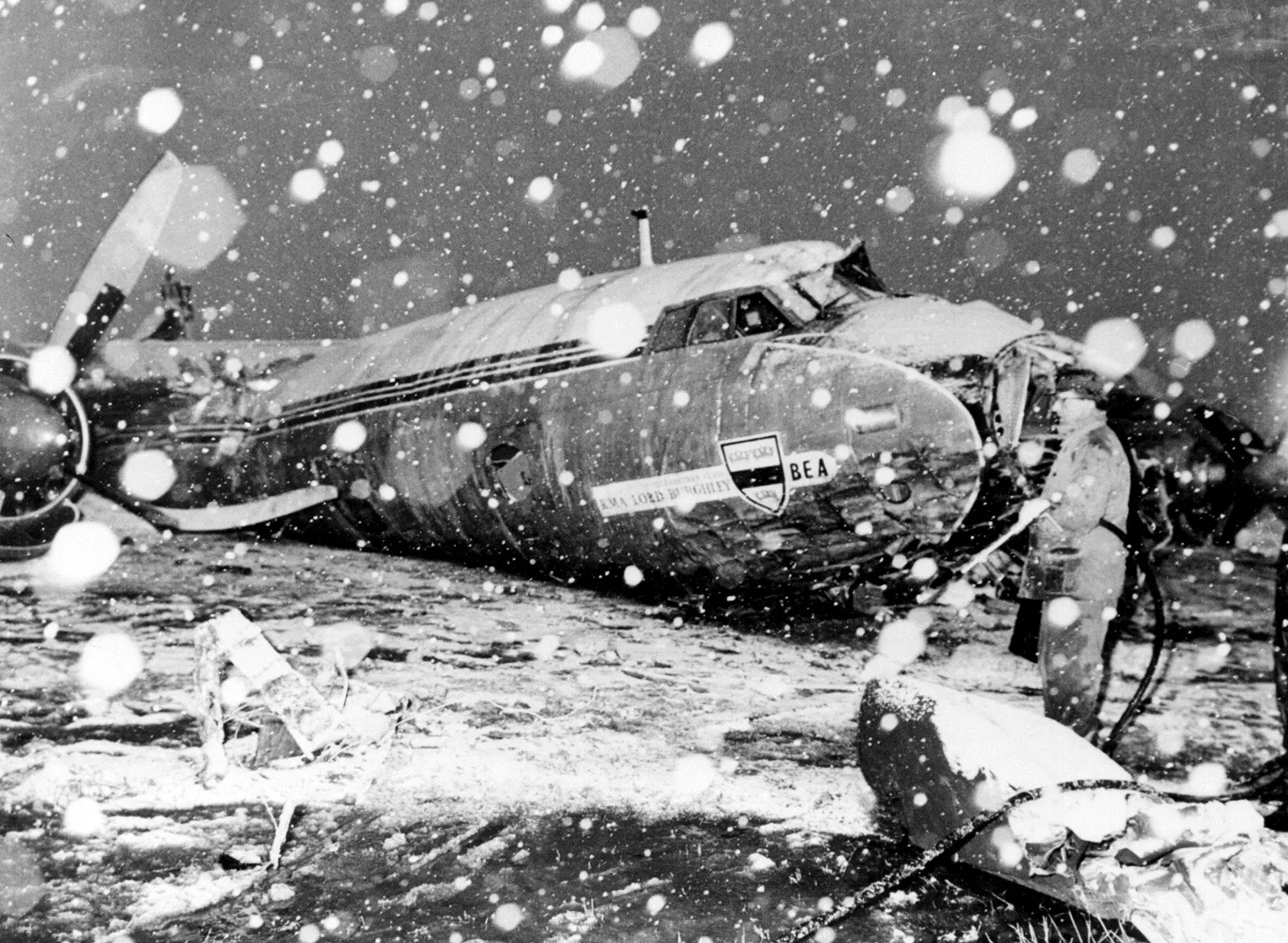
The Munich Air Disaster, which occurred on February 6, 1958, remains one of the most significant tragedies in football history. This catastrophic event claimed the lives of 23 individuals, including eight players from the Manchester United football team. Its importance extends beyond the immediate loss, serving as a somber reminder of the vulnerabilities faced by athletes and the enduring legacy of those who perished.
Details of the Incident
On that fateful day, Manchester United was returning from a European Cup match in Belgrade, Serbia. As the aircraft attempted to take off from Munich-Riem Airport, it failed to gain sufficient altitude, ultimately crashing while attempting a second take-off. In total, 44 people were aboard the British European Airways flight, including players, coaching staff, and journalists. Among the victims were iconic footballers such as Duncan Edwards and Roger Byrne, whose contributions to the sport are still celebrated today.
Impact on Football
The aftermath of the Munich Air Disaster reverberated throughout the world of football. Manchester United, once a rising powerhouse in European football, faced immense challenges in the wake of the tragedy. The club’s recovery, spearheaded by manager Matt Busby and the emergence of a new generation of players, eventually led to transformative success, culminating in their legendary 1968 European Cup victory. This resilience exemplifies the spirit of the club and its community, with tributes reflecting the deep respect for the lives lost.
Legacy and Remembrance
Over the decades, the Munich Air Disaster has been commemorated in various forms – from memorials at the Old Trafford stadium to documentaries and books that explore its lasting significance. Every year, on the anniversary of the crash, fans and players gather to pay homage to the victims, ensuring that their memory endures within the football community. The disaster has also led to heightened safety regulations in aviation and greater awareness of the risks associated with air travel for sports teams.
Conclusion
The Munich Air Disaster stands as a stark reminder of the fragility of life and the deep connections forged within the sporting world. It teaches us the importance of remembering those we have lost and recognising the resilience of communities in the face of tragedy. As football fans reflect on this dark chapter, it is essential to honour the legacy of the individuals who perished, ensuring that their spirit continues to inspire future generations.