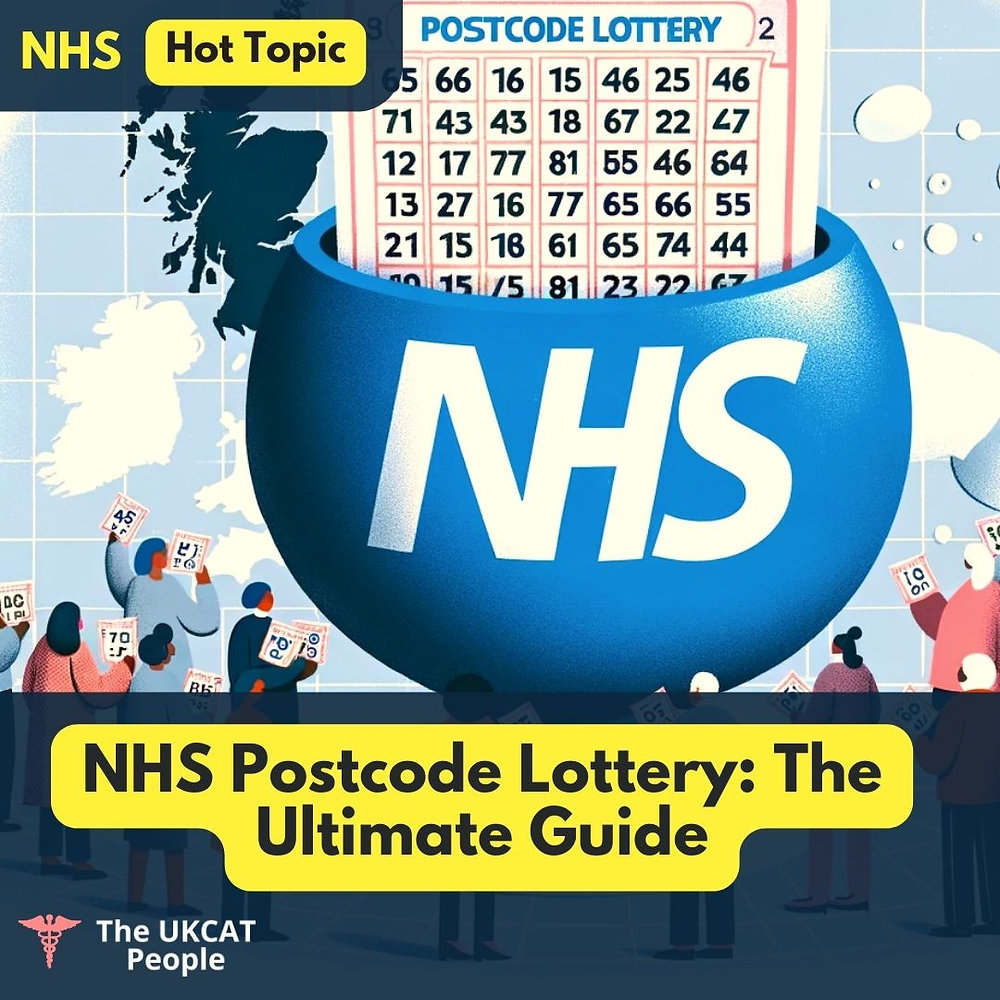
Introduction to the Post Code Lottery
The Post Code Lottery is a unique fundraising initiative in the United Kingdom, aimed at supporting charities and local communities. This innovative model allows people to participate and win cash prizes, promoting engagement while contributing to good causes. With increasing awareness and participation, understanding this concept is essential for those looking to support their community while having a chance to win.
How the Post Code Lottery Works
Launched in 2005, the Post Code Lottery operates based on the principle of a geographical lottery system. Participants pay a monthly entry fee, and a portion of the money collected is allocated to charitable causes. The remainder goes towards prizes, which can vary depending on the number of participants from specific postcodes.
Every week, draws are held where winners are notified based on their postcode. If a winning postcode is drawn, all participants from that area win a prize. The lottery distributes millions of pounds annually to various charities, including those focused on health, education, and environmental issues, fostering community participation and good will.
Recent Developments and Impact
Recent reports reveal a surge in participation in the Post Code Lottery, with the pandemic having heightened interest in community welfare and charity initiatives. According to the latest statistics, the Post Code Lottery has raised over £1 billion for charities since its inception, demonstrating significant financial support for crucial social initiatives across the UK.
This year, notable charities such as the Alzheimer’s Society and the Royal British Legion have benefited from public donations collected through the lottery. Such contributions play a vital role in funding important projects and support services which aid those in need—making the Post Code Lottery not just a game of chance, but a meaningful investment in societal well-being.
Conclusion and Future Outlook
The Post Code Lottery continues to evolve, adapting to the changing landscape of charitable giving and public engagement. As awareness grows, it is expected that participation will further increase, enhancing funding for local and national charities alike. For readers considering participating, it offers a unique opportunity to contribute to impactful work while standing a chance to win prizes, making it an attractive proposition for many.