Introduction to War Machines
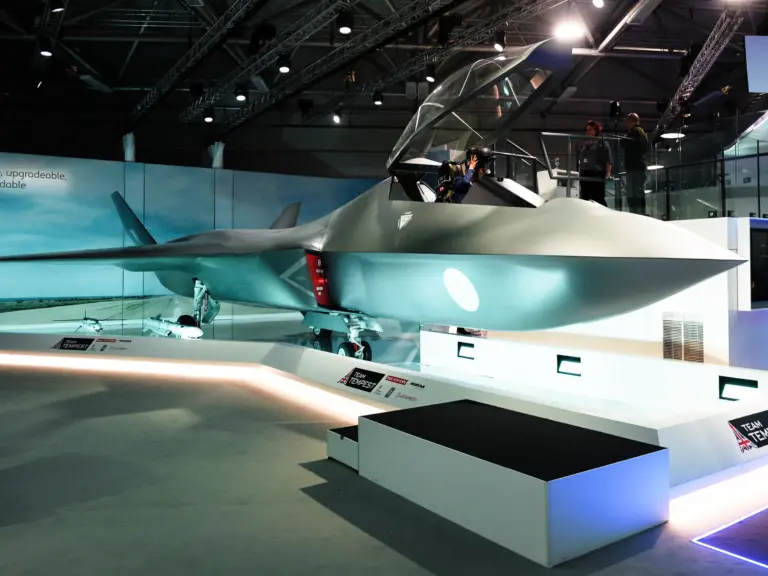
War machines have been pivotal in shaping military strategies and outcomes throughout history. With the advancement of technology, the role of these machines in warfare has become increasingly significant. They have transformed from traditional tanks and artillery to sophisticated drones and autonomous weapons systems, reflecting the changing nature of conflict. Understanding the implications of these developments in modern warfare is essential for grasping the future of military engagements.
Current Landscape of War Machines
Recent conflicts have highlighted the critical role of advanced war machines. For instance, in the ongoing situation in Ukraine, both sides have increasingly relied on unmanned aerial vehicles (UAVs) to gather intelligence and conduct strikes. The usage of drones has shifted not only the tactical approach but has also raised ethical questions regarding remote warfare and collateral damage.
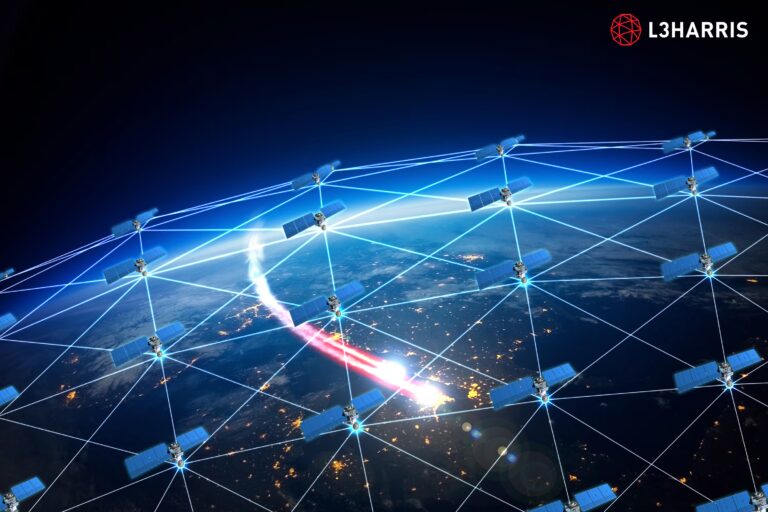
Equally, the emergence of artificial intelligence in military applications has led to the development of autonomous systems capable of making independent decisions. Reports suggest that countries like the United States, Russia, and China are heavily investing in these technologies, which could lead to a new arms race focused on AI capabilities.
International Responses and Implications
The proliferation of advanced war machines has compelled nations to reassess their defence strategies. NATO, for instance, has increased its focus on cyber capabilities and enhanced situational awareness, partly in response to the rapid technological advancements seen in potential adversaries such as Russia and China.
On the diplomatic front, there are growing calls for regulations concerning the use of autonomous weapons. International bodies are being urged to establish frameworks that address the ethical and accountability concerns posed by these technologies. The potential for war machines to operate independently of human command brings forth urgent discussions about control and oversight to prevent unintended escalations in conflict.
Conclusion: The Future of War Machines
The increasing sophistication of war machines signifies a transformative shift in how wars are fought. The integration of AI, robotics, and drone technologies is set to redefine military engagements and strategies. As these developments continue, it will be crucial for governments and international organisations to collaborate in establishing norms and regulations that ensure the responsible use of such technologies. The future landscape of warfare will likely hinge on balancing technological advancement with ethical and humanitarian considerations, making it an essential topic for global discourse.