Introduction
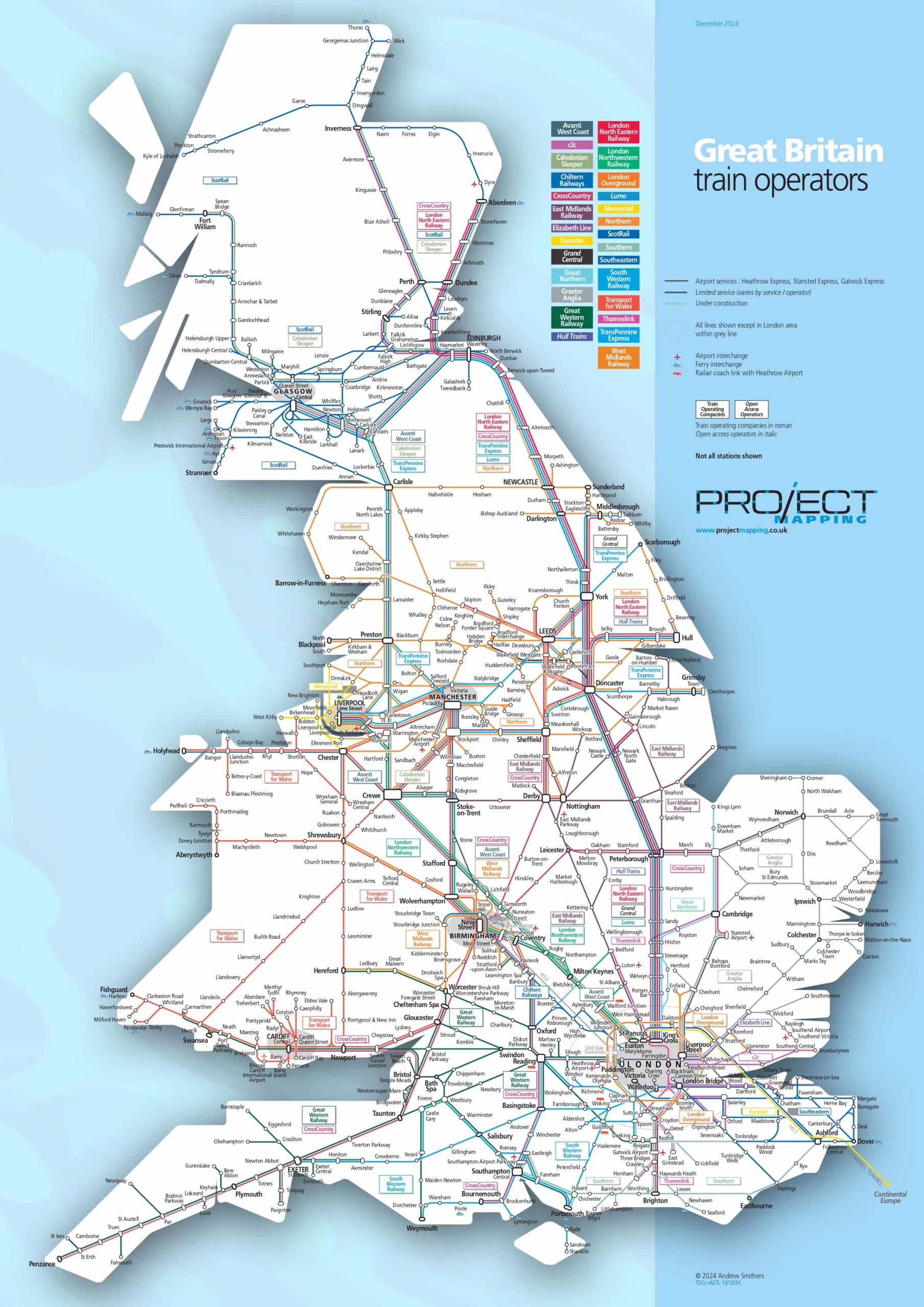
National Rail is a pivotal component of the United Kingdom’s transport infrastructure, facilitating efficient travel and connecting cities across the nation. As one of the primary means of public transportation, it plays a crucial role in reducing road congestion, lowering carbon emissions, and providing a reliable service for millions of commuters. Understanding its developments is essential for gauging the future of public transport in the UK.
Recent Developments
In recent months, National Rail has seen significant changes aimed at improving user experience and operational efficiency. The introduction of the Railway Reform Bill in 2023 seeks to overhaul the railways, promoting competition, and enhancing customer service. These changes come at a time when passenger numbers are gradually rebounding following the pandemic, with an increase in demand for services reported across several routes this year.
Furthermore, National Rail has invested heavily in upgrading its infrastructure, including modernizing tracks and stations. Major investment projects have been launched to enhance accessibility for disabled passengers, ensuring a more inclusive and user-friendly environment. For instance, the ongoing improvement of railway stations has seen lifts and ramps installed in numerous locations across the country.
Key Challenges
Despite these advancements, National Rail faces challenges including budget constraints, delays in service upgrades, and the need for substantial maintenance of older rail sections. Moreover, strikes and labour disputes have occasionally disrupted services, causing frustration among travellers. The balance between maintaining affordable fares and funding these critical improvements continues to be a complex issue for the governing bodies.
Conclusion
As National Rail moves forward, its significance to the UK’s transportation network remains undiminished. The recent reform initiatives and infrastructure improvements suggest a promising direction for the future, aiming to enhance connectivity and environmental sustainability. For passengers, the evolving landscape of National Rail indicates a continued commitment to providing quality transport services, making it essential for commuters and policymakers alike to stay informed about developments in the railway system. With the right investments and reforms, National Rail has the potential to become an even more resilient and efficient network, further integrating itself into the fabric of UK public transport.