Introduction
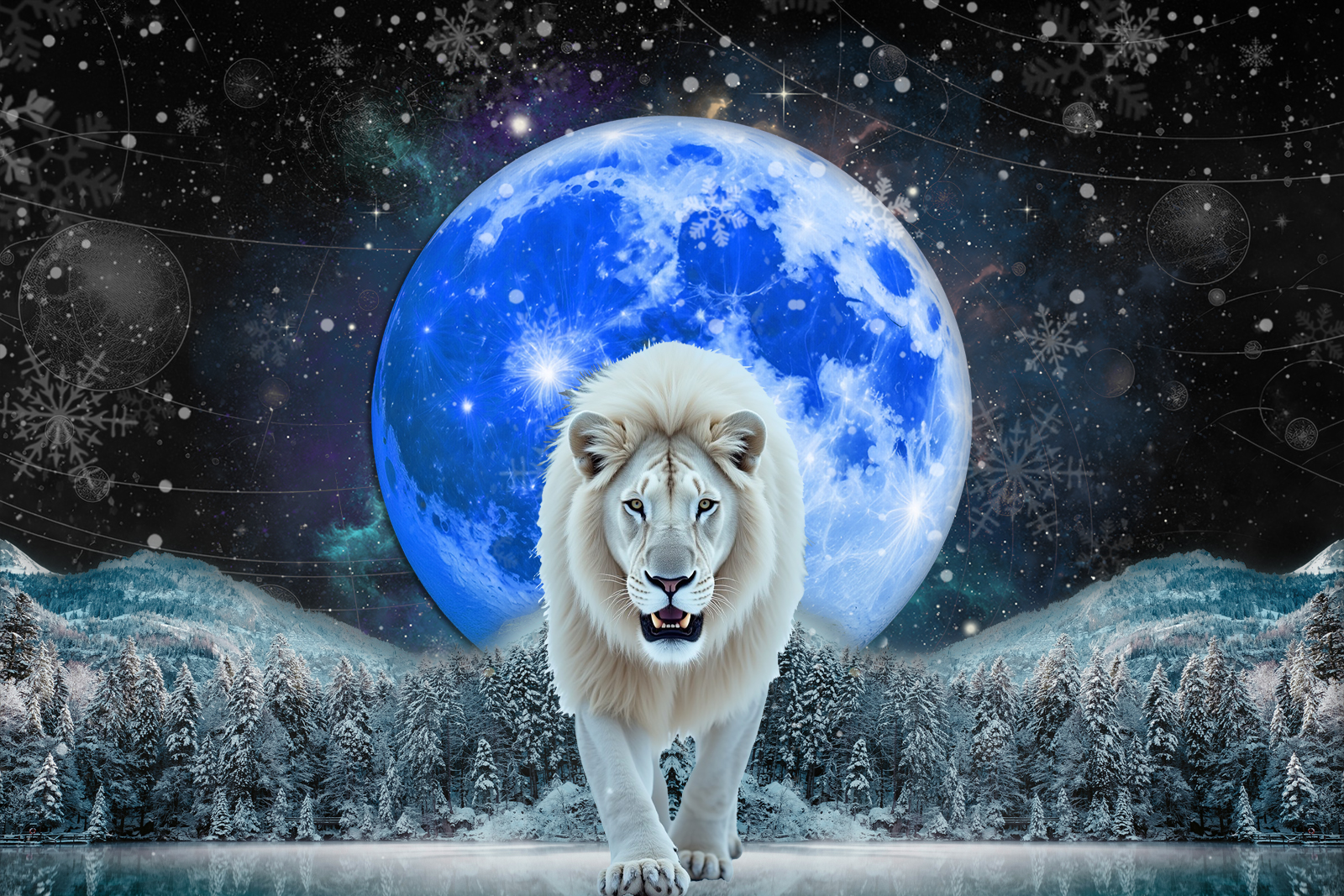
The Snow Moon, the full moon of February, holds significant cultural and astronomical importance. Named for the heavy snowfall that frequently occurs during this month in many regions, it serves as a harbinger of winter’s persistence and signifies the upcoming transition to spring. As celestial events capture the public’s interest and curiosity, the Snow Moon is also an excellent opportunity for stargazers and nature enthusiasts to observe the beauty of our night sky.
Details and Cultural Significance
The Snow Moon will occur on February 5, 2023, peaking at approximately 17:28 GMT. Historically, the name derives from Native American tribes who bestowed such names to describe the seasonal events tied to their environment. For instance, they recognised the Snow Moon as a time when hunting and foraging became challenging due to harsh weather conditions.
Apart from its cultural roots, the Snow Moon is also noteworthy in astronomy. Full moons are a position of the moon in relation to the Earth and sun that results in a complete illumination of the moon’s face. This lunar phase provides an opportunity for skywatchers to view the moon’s surface and features in detail, especially when weather conditions permit clear skies.
Recent Observations and Future Events
As we approach the Snow Moon, astronomers are predicting favourable conditions for viewing, with many stargazers planning gatherings across the UK to celebrate its illuminated beauty. February is an ideal month for moon watching, as the full moon rises early and sets later, allowing for extended viewing time. Furthermore, 2023 will see other celestial events, including meteor showers and conjunctions that skywatchers can anticipate as the year progresses.
Conclusion
The Snow Moon offers not only a breathtaking sight but also an opportunity for cultural reflection and scientific observation. As we gather outdoors in anticipation of its glow, it becomes a moment to appreciate the rhythms of nature and our own sense of connectivity to the universe. Observers can mark their calendars for February 5, 2023, to witness this cosmic dance, reminding us of the ever-changing sky and the seasons. It is an event relevant not just for astronomy enthusiasts but for anyone eager to explore the beauty and significance of our natural world.