Introduction
The unemployment rate is a critical economic indicator that reflects the health of the job market and the overall economy. In the UK, this statistic is closely monitored by policymakers, businesses, and job seekers alike, as it impacts consumer spending, economic growth, and public policy. As of October 2023, the UK unemployment rate stands as a pivotal topic amidst ongoing economic challenges post-pandemic.
Current Unemployment Rate
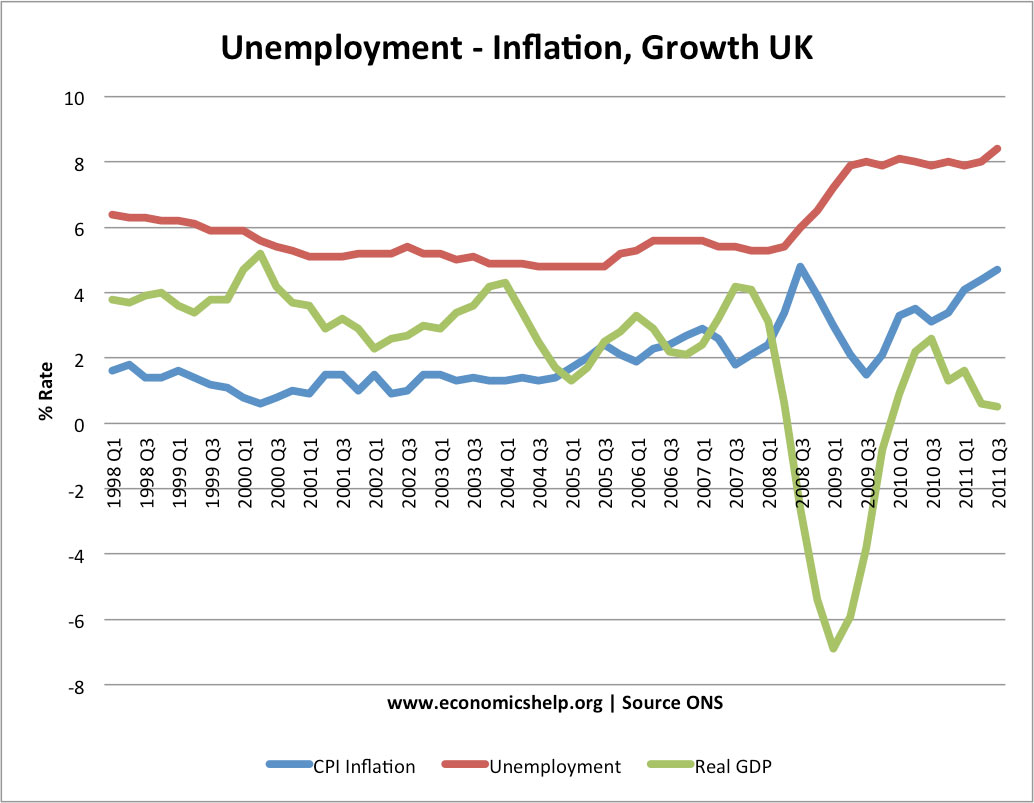
The latest figures released by the Office for National Statistics (ONS) show that the unemployment rate in the UK is currently at 4.2%. This represents a slight increase from 4.0% recorded earlier this year. Economists suggest that this upward trend could be attributed to several factors, including the ongoing impact of inflation on consumer behaviour, as well as shifts in global supply chains affecting local employment.
Economic Impact
Unemployment is not just a number; it has significant implications for the economy. A higher unemployment rate can lead to reduced consumer spending as job security diminishes. This, in turn, can slow economic growth and potentially lead to a recession if the trend continues. However, the current UK government is focused on job creation and is implementing various measures to support employment, including skills training and support for small businesses.
Sector Analysis
Different sectors have been affected disproportionately by the unemployment rate changes. The hospitality and retail sectors, for example, are still struggling to recover from the pandemic’s impact, experiencing higher unemployment rates compared to professional services. In contrast, technology and digital sectors are seeing growth, with many companies actively hiring and reporting labour shortages.
Future Predictions
Looking ahead, analysts predict that the unemployment rate may stabilise or decrease slightly as the economy continues to recover. The government’s investments in infrastructure and green jobs are expected to create new opportunities and help absorb some of the workforce. Experts argue that maintaining a flexible and adaptive labour market will be essential for navigating future economic uncertainties.
Conclusion
The UK unemployment rate is a vital indicator that reflects the current economic climate and the future prospects for job seekers. While there are challenges that lie ahead, there are also opportunities for growth and recovery that could lead to a healthier job market. Stakeholders, including businesses, policymakers, and job seekers, must stay informed and adaptable to the evolving landscape, as the implications of these trends will continue to shape the economy for years to come.