Introduction
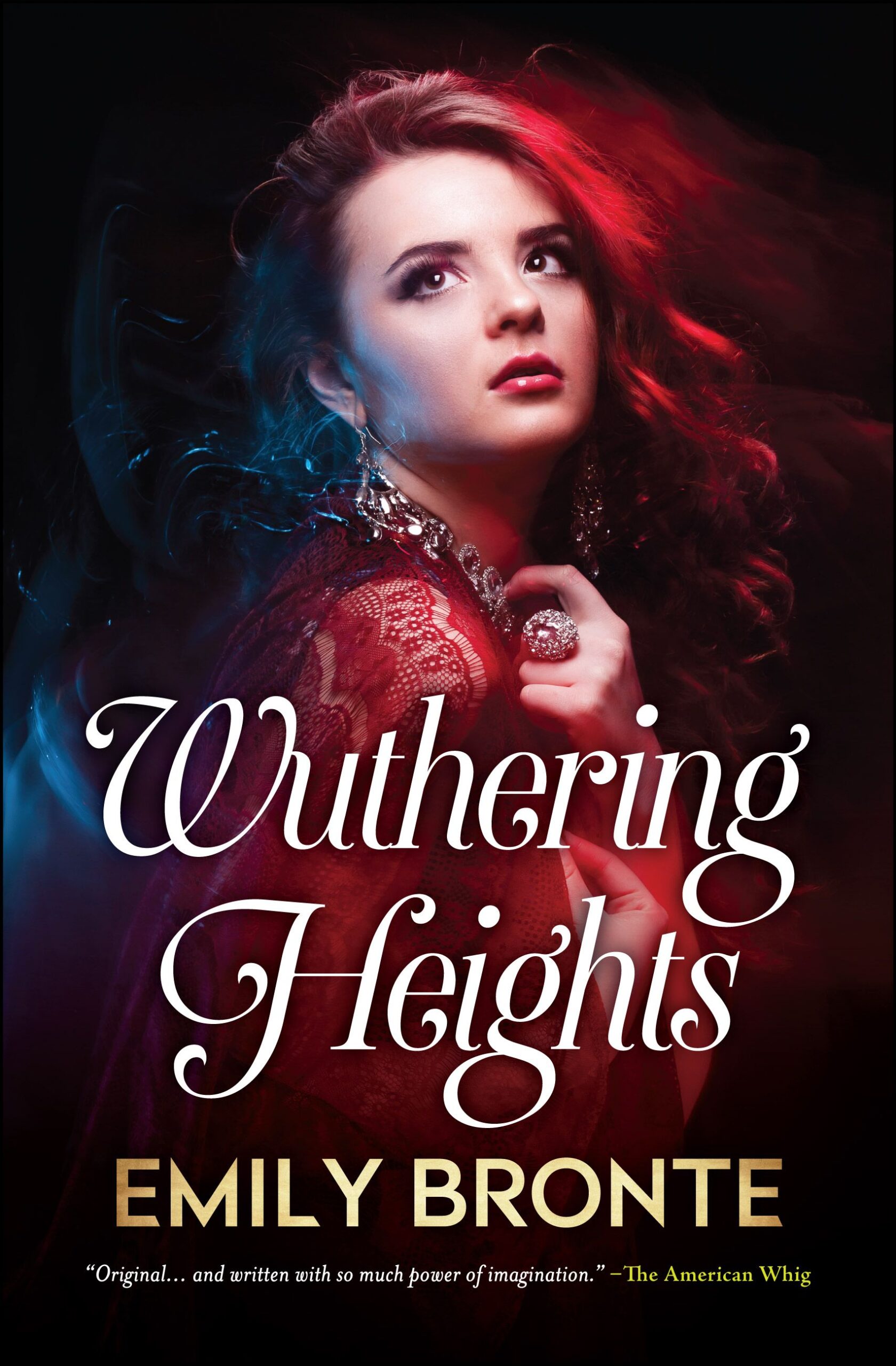
Wuthering Heights, penned by Emily Brontë and published in 1847, stands as one of the most revered novels in English literature. Its layered narrative and complex characters make it a subject of study in schools and literary circles alike. The book’s importance lies not only in its compelling storytelling but also in its exploration of themes such as love, revenge, and social class, which resonate even in today’s society.
Plot Overview
The novel unfolds the passionate yet tumultuous relationship between Catherine Earnshaw and Heathcliff, a brooding and vengeful figure. Their connection transcends societal expectations, leading to heartache, destruction, and a cycle of vengeance that affects generations. The narrative is told from the perspective of Mr. Lockwood and Nelly Dean, providing distinct viewpoints on the events at Wuthering Heights and the adjacent Thrushcross Grange.
Key Themes
One of the central themes in Wuthering Heights is the destructive power of love. Catherine’s choice to marry Edgar Linton over Heathcliff triggers a chain reaction of despair and revenge that reflects the intensity of their bond. Additionally, the novel delves into the concepts of social class and isolation, depicting how these factors influence relationships and personal identity. The rugged Yorkshire moors serve as a backdrop, amplifying the novel’s emotional depth and enhancing its gothic elements.
Impact and Legacy
Despite initial mixed reviews, Wuthering Heights has garnered acclaim over the years and is now considered a literary masterpiece. Critics have noted its avant-garde narrative style and the psychological complexity of its characters. The novel has inspired numerous adaptations in theatre, film, and television, solidifying its place in popular culture. Furthermore, it has influenced a multitude of authors, paving the way for modern literature that explores deep emotional and psychological themes.
Conclusion
The Wuthering Heights book remains relevant today as readers continue to grapple with its complex characters and themes. Its exploration of the human condition challenges societal norms and evokes strong emotional responses. As academia and literature evolve, Wuthering Heights serves as a reminder of the timeless nature of true passion and the darker aspects of the human psyche. Readers are encouraged to revisit the book to discover new interpretations and insights that reflect their own experiences, ensuring its relevance for generations to come.