Introduction to Denia
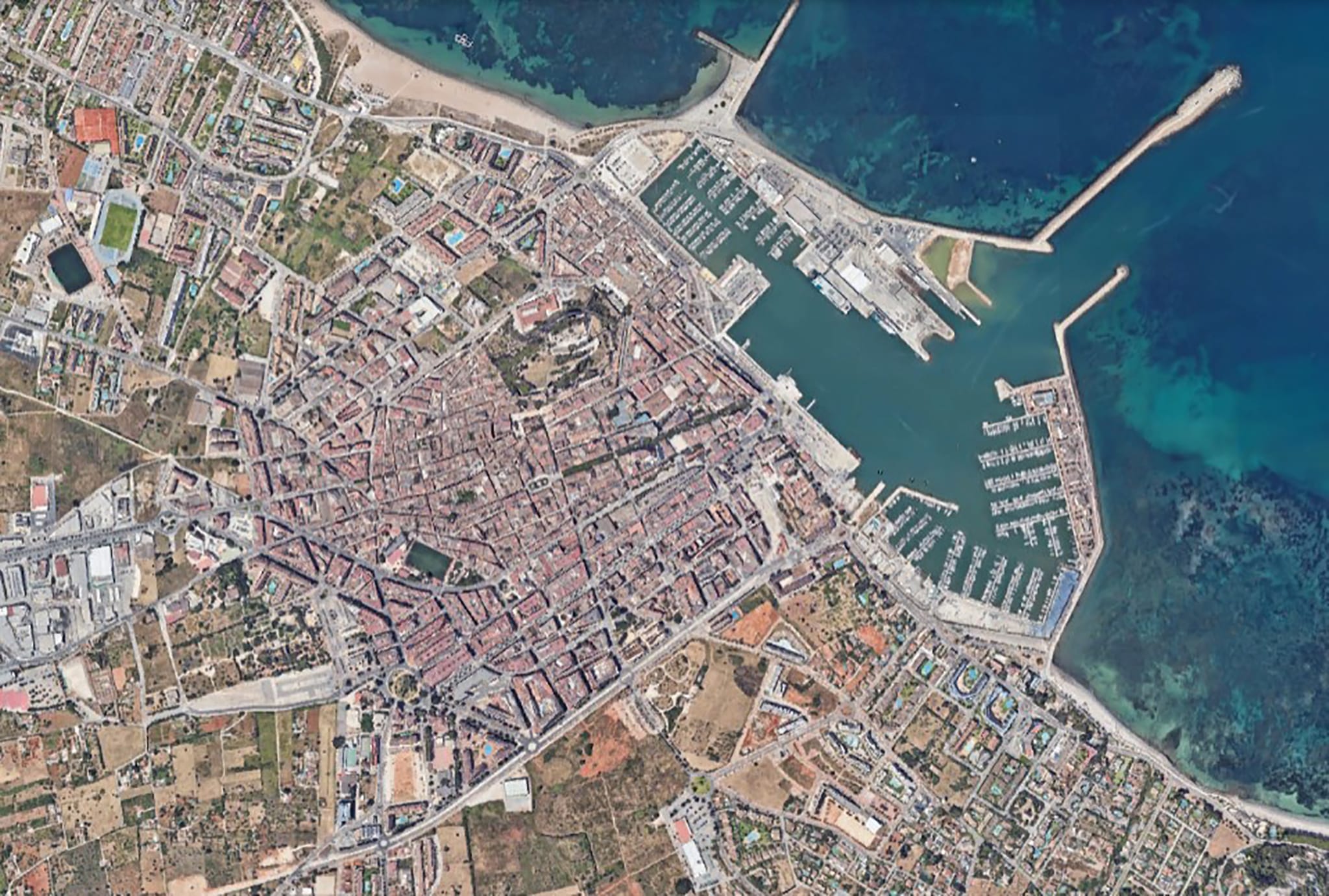
Denia, located along Spain’s picturesque Costa Blanca, is a charming coastal town known for its stunning beaches, delicious cuisine, and rich cultural heritage. With its strategic position between the Mediterranean Sea and the stunning Montgó Natural Park, Denia attracts a diverse range of visitors, from history enthusiasts to sun-seekers. The significance of Denia lies not only in its picturesque landscapes but also in its historical legacy and the vibrant lifestyle it offers.
A Brief History of Denia
Historically, Denia has been a beacon of trade and culture, dating back to Roman times when it was known as ‘Dênia’. The town’s impressive castle, built by the Moors in the 11th century, stands as a testament to its strategic importance throughout the centuries. In 1244, Denia was incorporated into the Kingdom of Castile, further solidifying its significance. Today, the castle and its surrounding historic streets offer a glimpse into the town’s rich past.
Exploring Denia’s Natural Beauty
Denia boasts some of the most beautiful beaches in Spain. The long stretches of golden sands and crystal-clear waters are ideal for both relaxation and recreational activities, including sailing, windsurfing, and snorkeling. The Montgó Natural Park, just a stone’s throw away, provides hiking trails with panoramic views of the coastline and is home to diverse flora and fauna, making it a perfect getaway for nature lovers.
Cultural Highlights and Gastronomy
The town’s cultural scene is vibrant, with numerous festivals and events throughout the year. One of the most notable is the annual Las Fallas festival, celebrated in March, where locals create impressive sculptures to be burned in a spectacular display of fireworks and artistry. Gastronomy also plays a significant role in Denia’s appeal, with local dishes like paella and ‘coca’, a type of flatbread, drawing food enthusiasts from around the region.
Current Events and Developments
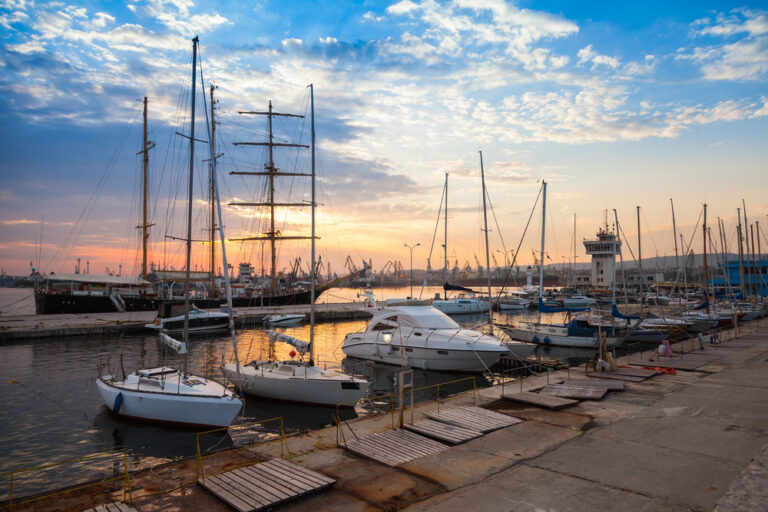
In recent years, Denia has seen a surge in tourism development, including enhancements to its marina and waterfront areas. The local government has invested in eco-friendly initiatives to protect the coastal environment while catering to an increasing number of visitors. The outlook for Denia’s tourist industry remains positive as more people seek out authentic and less commercialised destinations.
Conclusion: Why Denia Matters
Denia represents an exceptional blend of history, culture, and natural beauty. As tourism continues to grow, the town is likely to maintain its charm while balancing development and preservation. For those seeking an authentic Spanish experience away from the more crowded tourist hotspots, Denia stands out as a refreshing option. Whether you’re interested in exploring historical sites, enjoying culinary delights, or simply relaxing on the beach, Denia promises an enriching experience for all. As interest in sustainable tourism increases, Denia’s approach may serve as a model for other coastal towns aiming for a sustainable future.