Introduction
New Guinea, the second-largest island in the world, is renowned for its extraordinary biodiversity and cultural diversity. Situated northwest of Australia, the island is split between two countries: Papua New Guinea and Indonesia. Its ecological significance is immense, housing more than 800 species of birds and countless endemic plants and animals. Recent events highlighting New Guinea’s unique offerings continue to make it a focal point for scientists, conservationists, and cultural enthusiasts alike.
Cultural Diversity and Indigenous Peoples
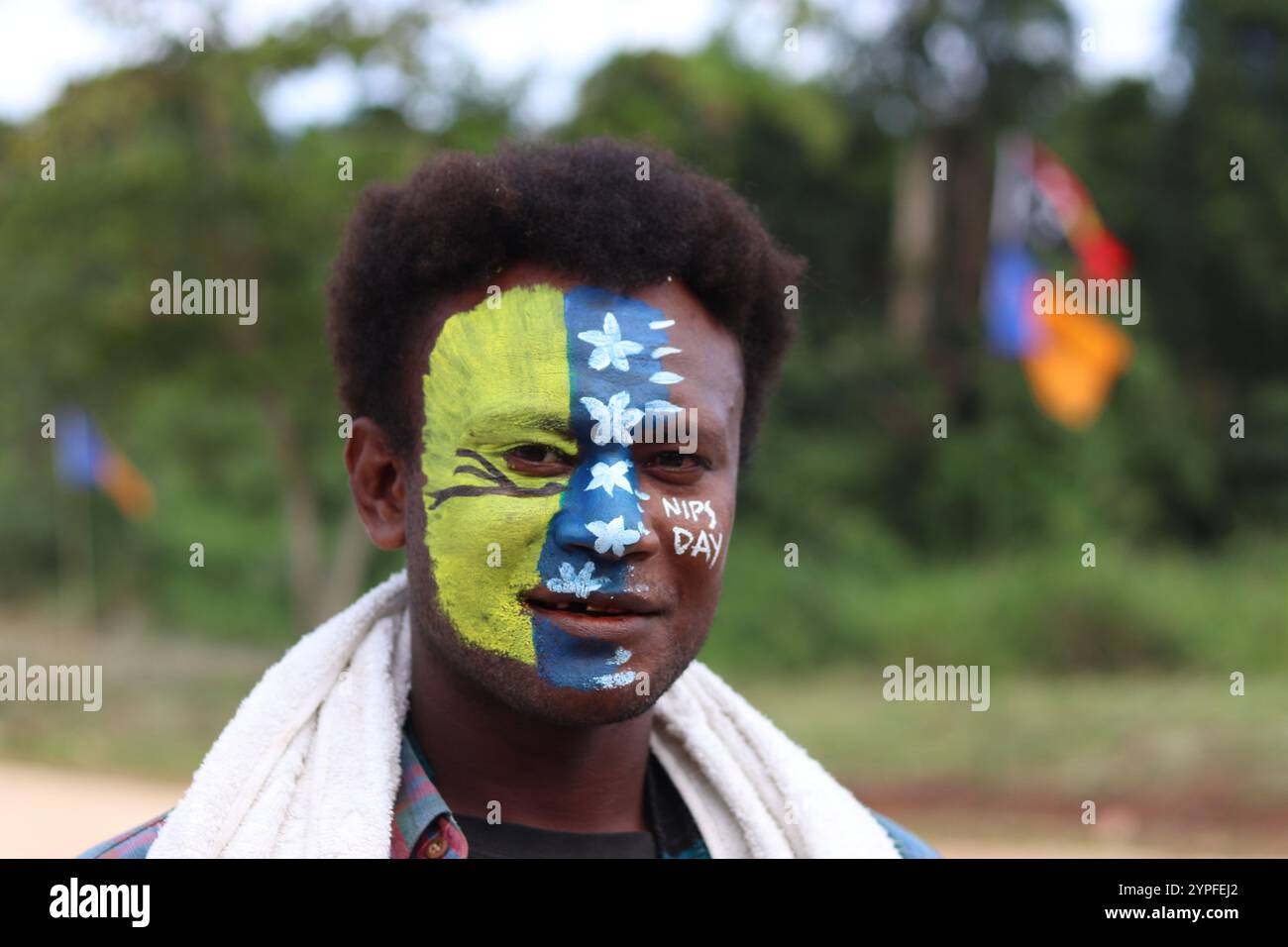
New Guinea is home to over 800 indigenous languages, making it one of the most linguistically diverse regions on Earth. This cultural richness is reflected in the island’s vibrant traditions, ceremonies, and festivals, many of which are still practiced today. Recently, there has been a resurgence of interest in preserving and promoting indigenous cultures, with initiatives aimed at documenting oral histories and traditional practices. Efforts from local communities and international NGOs are helping to safeguard these cultural treasures.
Ecological Significance
From tropical rainforests to coral reefs, New Guinea showcases some of the world’s most unique ecosystems. Its forests are a sanctuary for species such as the flightless cassowary and the exquisite birds of paradise. Conservation efforts are paramount, particularly in light of ongoing threats from deforestation and climate change. The recent establishment of protected areas and community-led conservation projects presents a hopeful avenue for preserving the island’s natural legacy.
Current Events and Conservation Efforts
In 2023, international focus on New Guinea has heightened, with several initiatives launched to protect its endangered species and traditional habitats. For instance, the recent joint agreement between the governments of Papua New Guinea and Indonesia aims to create a cross-border conservation area, promoting environmental sustainability and biodiversity conservation. Local communities have been actively involved in these efforts, emphasizing the importance of indigenous knowledge in preserving the region’s natural resources.
Conclusion
The future of New Guinea lies in the balance between development and conservation. As global attention turns to climate change and biodiversity loss, New Guinea stands as a critical battleground for conservationists. The collaboration between indigenous groups, governments, and international stakeholders is essential for protecting both the island’s rich cultural heritage and its unparalleled ecological assets. For readers, understanding New Guinea’s significance reinforces the importance of protecting such diverse habitats and cultures around the world, highlighting that actions taken today can have lasting effects on global biodiversity.