Introduction
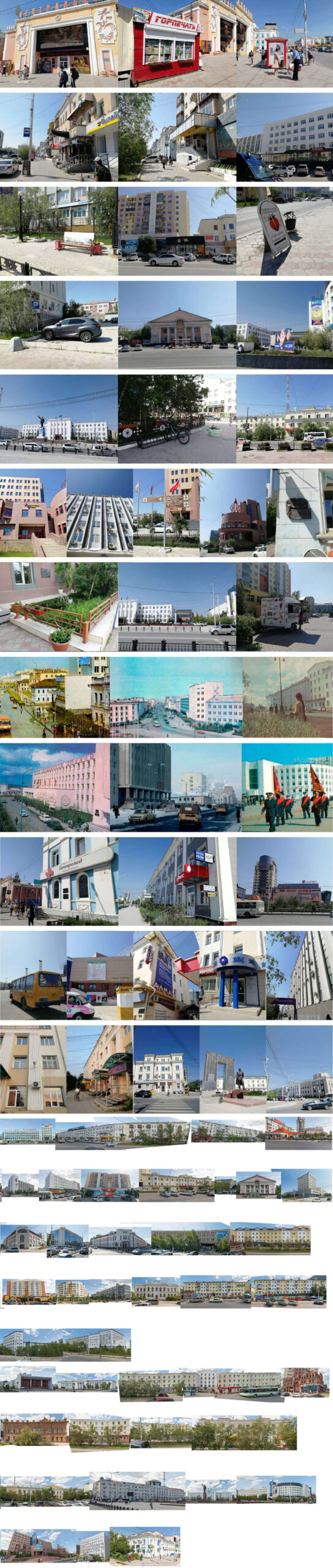
Yakutsk, the capital of the Sakha Republic in Russia, holds the title of the coldest city on Earth. With average winter temperatures plummeting to -30°C (-22°F), this city serves as a fascinating case study of human resilience against nature’s harshest conditions. Understanding Yakutsk goes beyond its climatic extremes; it encompasses the rich culture, unique traditions, and the adaptive ways of life of its residents.
Climate and Geography
Located approximately 4,500 km east of Moscow, Yakutsk sits on the banks of the Lena River. The subarctic climate ensures long, brutal winters and short summers. Recently, Yakutsk has been in the global spotlight due to climate change, which is impacting the permafrost that underlies much of the city. As freezing temperatures become less extreme in some seasons, the implications for both architecture and infrastructure are significant, prompting discussions among scientists and policymakers.
Cultural Significance
The culture of Yakutsk is heavily influenced by indigenous Yakut people, whose traditions date back centuries. A notable celebration is the Ysyakh, a summer festival celebrating the coming of the new year in the Yakut calendar, which showcases dance, song, and traditional rituals. Additionally, the city’s museums, such as the Yakutsk State Museum of History and Culture, provide insight into the region’s past and indigenous lifestyle. The city also boasts unique culinary experiences, with dishes featuring local game and fish.
Current Developments
Despite its challenges, Yakutsk is experiencing modern advancements. Recently, new infrastructure projects have aimed to improve amenities and living conditions for residents while addressing the pressing issues posed by climate change. Local authorities have initiated plans to upgrade heating systems and improve public facilities, which is crucial with temperature fluctuations that can be both extreme and unpredictable.
Conclusion
Yakutsk is a remarkable city that illustrates the intersection of culture and extreme weather conditions. As it faces challenges from climate change, the residents continue to adapt, showcasing resilience and innovation. For those interested in unique travel experiences or studying human adaptation in extreme climates, Yakutsk stands out as a destination worth exploring. The future for this icy city lies in its ability to balance tradition with the need for modernisation as environmental conditions evolve. In doing so, Yakutsk not only preserves its heritage but also prepares for the challenges of tomorrow.