Introduction
The tragic incident involving a migrant boat sinking in the English Channel has drawn international attention, prompting an inquiry into the circumstances surrounding the catastrophe. This inquiry is crucial for understanding the safety measures in place for migrants attempting to cross for a better life, as well as the broader implications for immigration policy and humanitarian efforts.
Details of the Incident
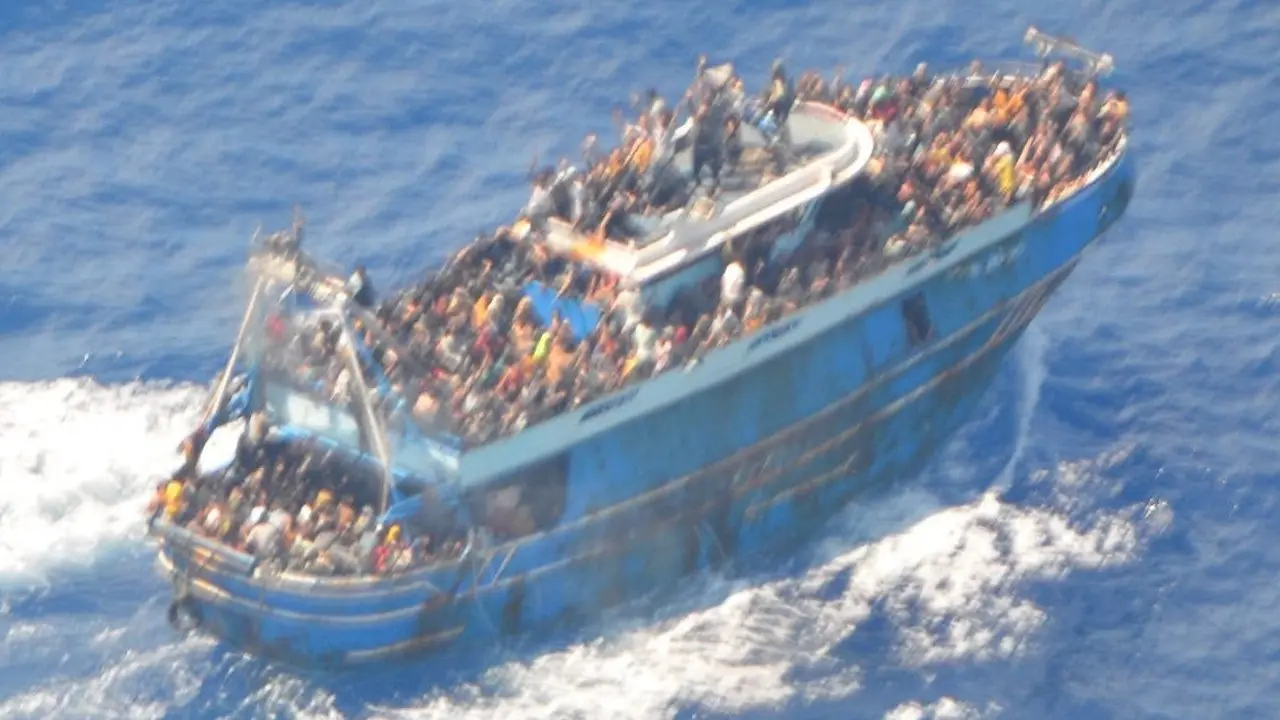
On November 24, 2021, a small dinghy carrying a group of migrants capsized in the English Channel, leading to the death of 27 individuals. The incident has been described as one of the deadliest in the region, raising urgent questions regarding the safety of such crossings. The inquiry commenced soon after, with a focus on the failures in systems that allowed this tragedy to occur.
Findings of the Inquiry
As the inquiry proceeds, investigators are examining multiple facets, including the communication between rescue services, the enforcement of border policies, and the responsibilities of government bodies. Initial findings have revealed gaps in surveillance and response measures that could have potentially saved lives. Furthermore, the inquiry aims to assess the role of human trafficking networks that exploit vulnerable individuals seeking refuge in Europe.
Government and Public Response
The UK Government has faced mounting pressure to enhance border security and develop more humane immigration policies. Public sentiments reflect a mix of outrage over the loss of life and sympathy for the plight of migrants. Advocacy groups have intensified their calls for changes that ensure safer passage and legal avenues for migrants, drawing attention to the need for international cooperation in addressing root causes of migration.
Conclusion
The ongoing inquiry into the Channel migrant boat sinking is not just a procedural investigation; it is a critical reflection on humanitarian values and the responsibilities of nations in protecting vulnerable populations. As the inquiry continues, its outcomes may shape future policies and could lead to reforms designed to prevent such tragedies from recurring. The significance of this inquiry extends beyond the immediate incident, underlining the urgent need for coordinated efforts to create safer and more effective migration pathways.