Importance of the Inquiry
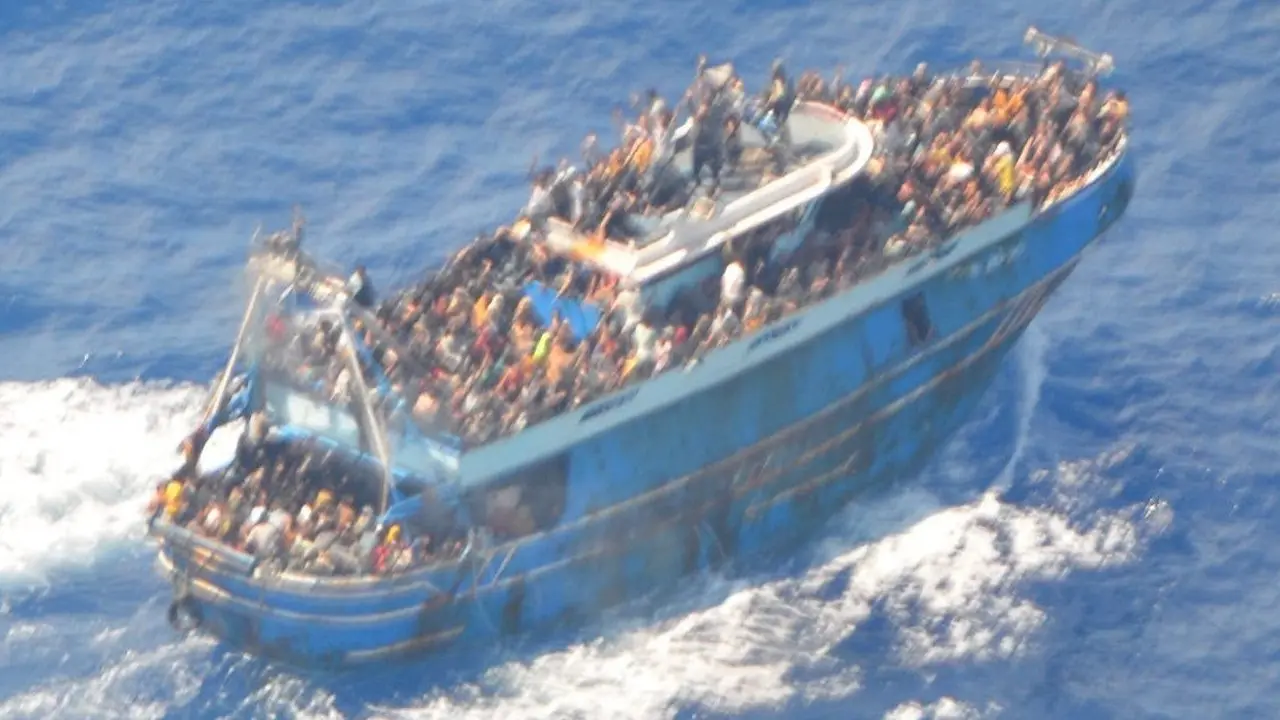
The tragic sinking of a migrant boat in the English Channel on November 24, 2021, which resulted in the loss of 27 lives, has raised significant concerns regarding maritime safety and the humanitarian challenges faced by migrants. The inquiry aims to determine the circumstances surrounding this tragedy and hold accountable those responsible for the inadequate maritime safety measures.
Details of the Incident
The boat, which was attempting to cross from France to the UK, capsized in French waters, highlighting the dangerous conditions faced by migrants attempting to seek refuge in the UK. The victims included men, women, and children from various backgrounds, sparking outrage and calls for urgent action to prevent similar incidents in the future.
Developments in the Inquiry
In recent months, the inquiry has been focusing on several key areas, including the responses of the border authorities, the role of smugglers, and the adequacy of existing maritime laws. In early October 2023, it was reported that a series of hearings are set to take place, featuring testimonies from survivors, rescue officials, and maritime safety experts. The findings are expected to provide vital insights into the failings that led to this preventable disaster.
Response from Authorities
The UK government has faced fierce criticism for its handling of migration policies, with many advocating for a re-examination of asylum processes that leave vulnerable individuals at risk. As the inquiry unfolds, officials have expressed the need for a coordinated international approach to manage the ongoing migrant crisis, especially given the increasing number of individuals attempting perilous crossings.
Conclusion and Future Implications
The ongoing inquiry into the Channel migrant boat sinking serves not only to honour the lives lost but also aims to instigate long-overdue reforms in maritime safety and migration policy. The findings of this inquiry could have far-reaching implications for how both UK and French authorities tackle the challenging issue of Channel crossings. Moving forward, it will be crucial for policymakers to balance the need for border security with humane treatment of asylum seekers, ensuring that such tragedies are never repeated.