Introduction
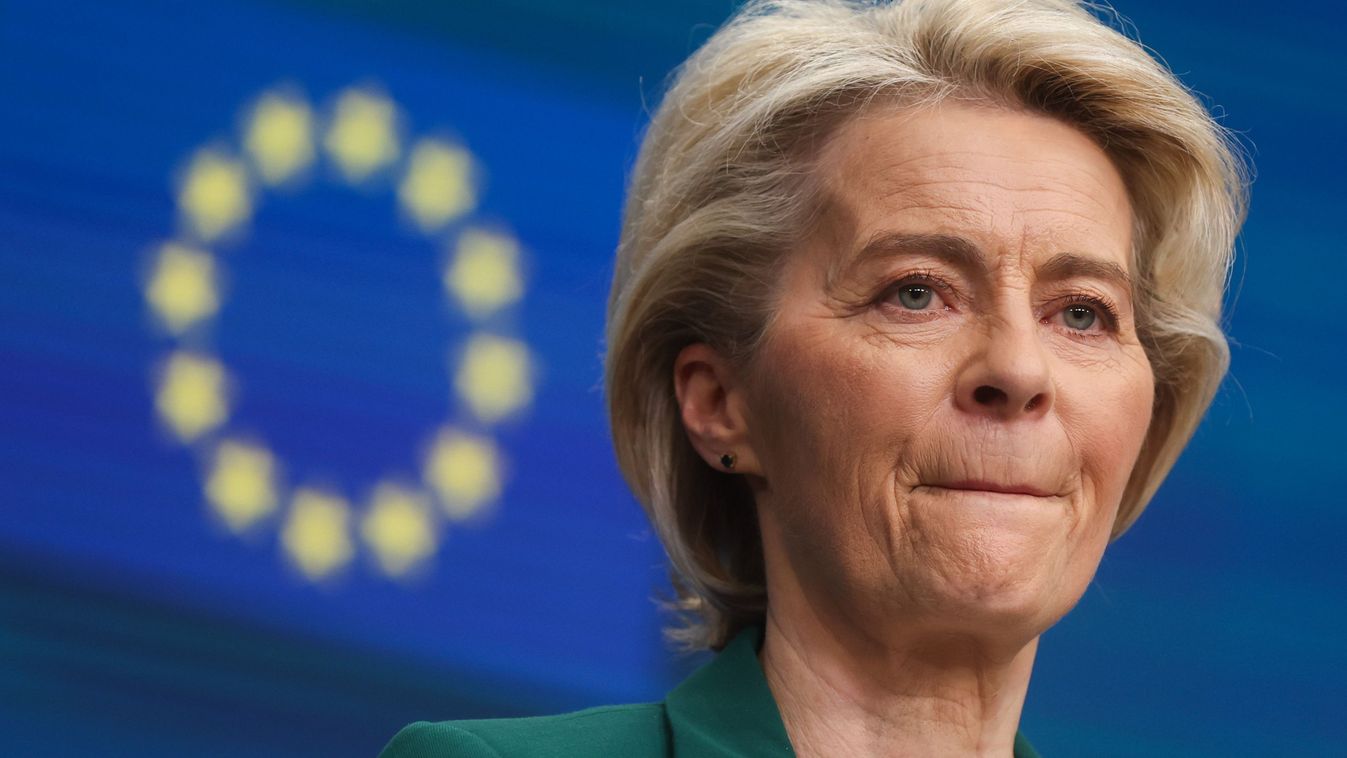
Ursula von der Leyen, President of the European Commission, has emerged as a pivotal figure in shaping European Union (EU) policies, especially in turbulent times. Her leadership has been marked by initiatives addressing climate change, digital transformation, and the ongoing geopolitical landscape, including the ramifications of the Russia-Ukraine conflict. Von der Leyen’s role has become increasingly significant as she navigates the complex challenges facing the EU, making her a key player in European politics.
Main Actions and Policies
Since taking office in December 2019, Ursula von der Leyen has focused on the European Green Deal, aiming for the EU to become the first climate-neutral continent by 2050. In 2022, she intensified efforts to reduce reliance on fossil fuels from Russia in response to its aggressive actions in Ukraine, showcasing a commitment to both energy independence and environmental sustainability. This involved pushing for a rapid transition towards renewable energy sources and promoting investments in green technologies.
Moreover, her leadership has been crucial in managing the EU’s response to the COVID-19 pandemic. Under her direction, the European Commission secured significant vaccine agreements, which enabled Europe to provide wide-ranging access to vaccines across its member states. This not only underscored EU solidarity but also positioned the bloc as a leader in global health diplomacy.
Geopolitical Challenges
Ursula von der Leyen has also been at the forefront of advocating for a more united European response to global issues. Her firm stance against authoritarian regimes and her support for Ukraine have garnered both praise and criticism. In her recent State of the Union address, she reiterated the importance of a cohesive and strategic approach in handling relations with external partners and adversaries, emphasising that the EU must stand united to uphold democratic values and stability.
Conclusion
Ursula von der Leyen’s tenure is ushering in transformative changes within the EU, addressing urgent challenges while pushing for long-term sustainability initiatives. As her policies continue to evolve in response to global events, the significance of her leadership will likely intensify, shaping the future trajectory of Europe. For EU citizens and stakeholders, understanding her role is essential, as her decisions will have lasting impacts on political, economic, and environmental landscapes across the continent.