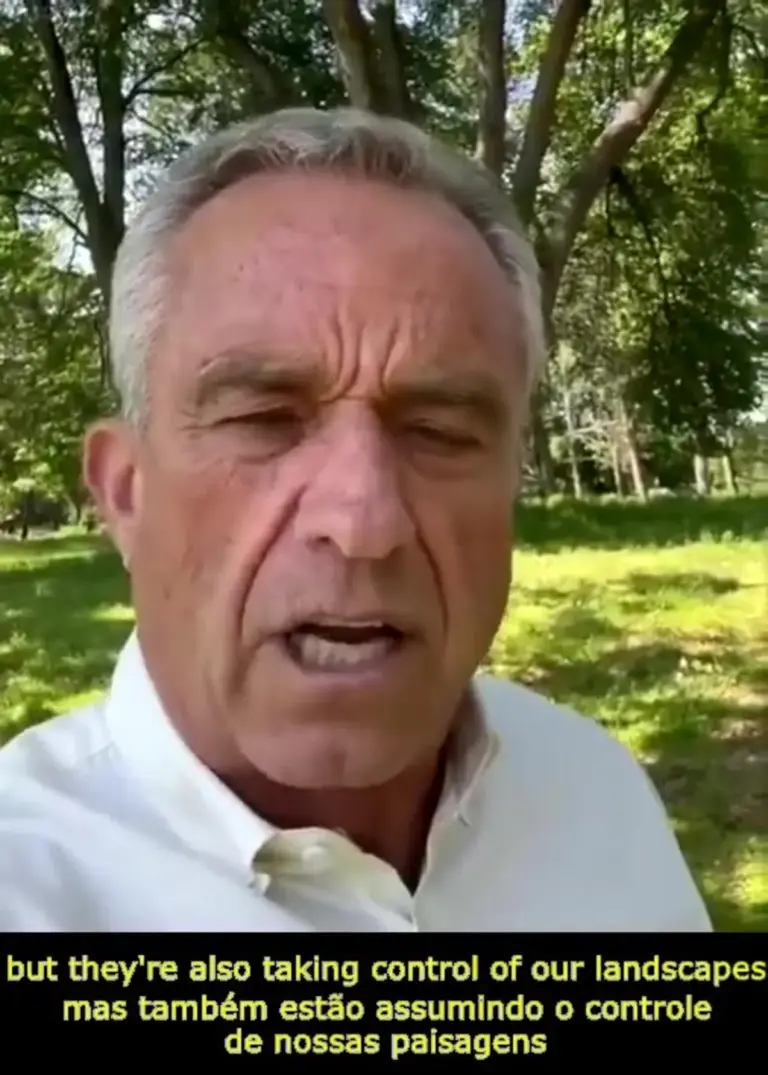
“Tonight, truth prevailed over lies. Today, we won because Hungarians didn’t ask what their homeland could do for them — they asked what they could do for their homeland,” declared Péter Magyar, the newly elected leader of Hungary, following a historic election that saw the end of Viktor Orbán’s 16-year tenure as prime minister. This statement encapsulates the sentiments of a nation ready for change, as Magyar’s Tisza party secured a decisive victory with 53% of the vote against Orbán’s Fidesz party, which garnered only 37%.
The election, held on April 12, 2026, witnessed an unprecedented turnout of nearly 80%, a record in Hungary’s post-Communist history. This high level of civic engagement reflects a growing desire among Hungarians for a political shift, particularly in light of Orbán’s controversial governance, which has faced accusations of undermining democracy and media freedom.
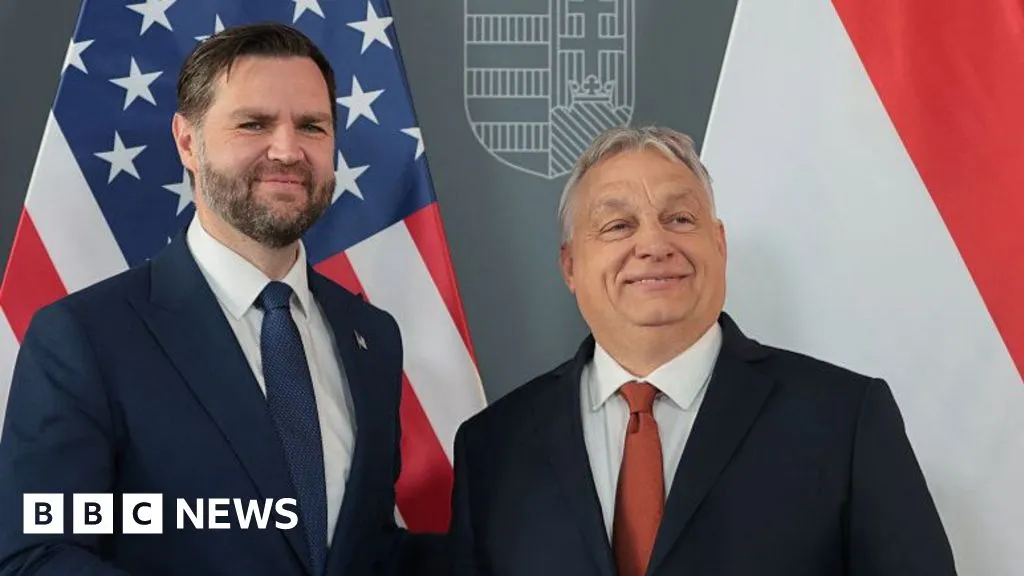
In the lead-up to the election, Orbán received support from notable figures, including JD Vance, who urged Hungarians to back the long-standing prime minister. “We have got to get Viktor Orbán reelected as prime minister of Hungary, don’t we?” Vance’s visit was part of an effort to bolster Orbán’s campaign, yet it ultimately proved insufficient against the tide of change that Magyar represented.
Orbán’s defeat is particularly significant given his close ties with global leaders like Donald Trump and Vladimir Putin. Trump himself praised Orbán, stating, “I love Hungary and I love that Viktor, I tell you he’s a fantastic man.” However, the political landscape has shifted dramatically, with Magyar’s victory signaling a potential transformation in Hungary’s relationship with the European Union, which has been strained under Orbán’s leadership.
During his time in office, Orbán’s government frequently utilized its veto power within the EU, notably vetoing €90 billion and $104 billion in loans. His administration’s refusal to assist Ukraine amid the ongoing Russian invasion has further complicated Hungary’s standing within the EU. As the new government takes shape, analysts are closely watching how these dynamics will evolve.
In his concession speech, Orbán stated, “We are going to serve the Hungarian nation and our homeland from opposition.” This remark suggests a commitment to remain active in Hungarian politics, albeit from a different vantage point. The implications of his defeat could reverberate throughout the EU, as member states reassess their alliances and strategies in light of Hungary’s changing political climate.
As Péter Magyar prepares to assume leadership, the question remains: how will this new administration address the challenges facing Hungary, particularly in terms of democratic governance and international relations? The next steps will be crucial in determining the future trajectory of the nation and its role within the broader European context.