Introduction
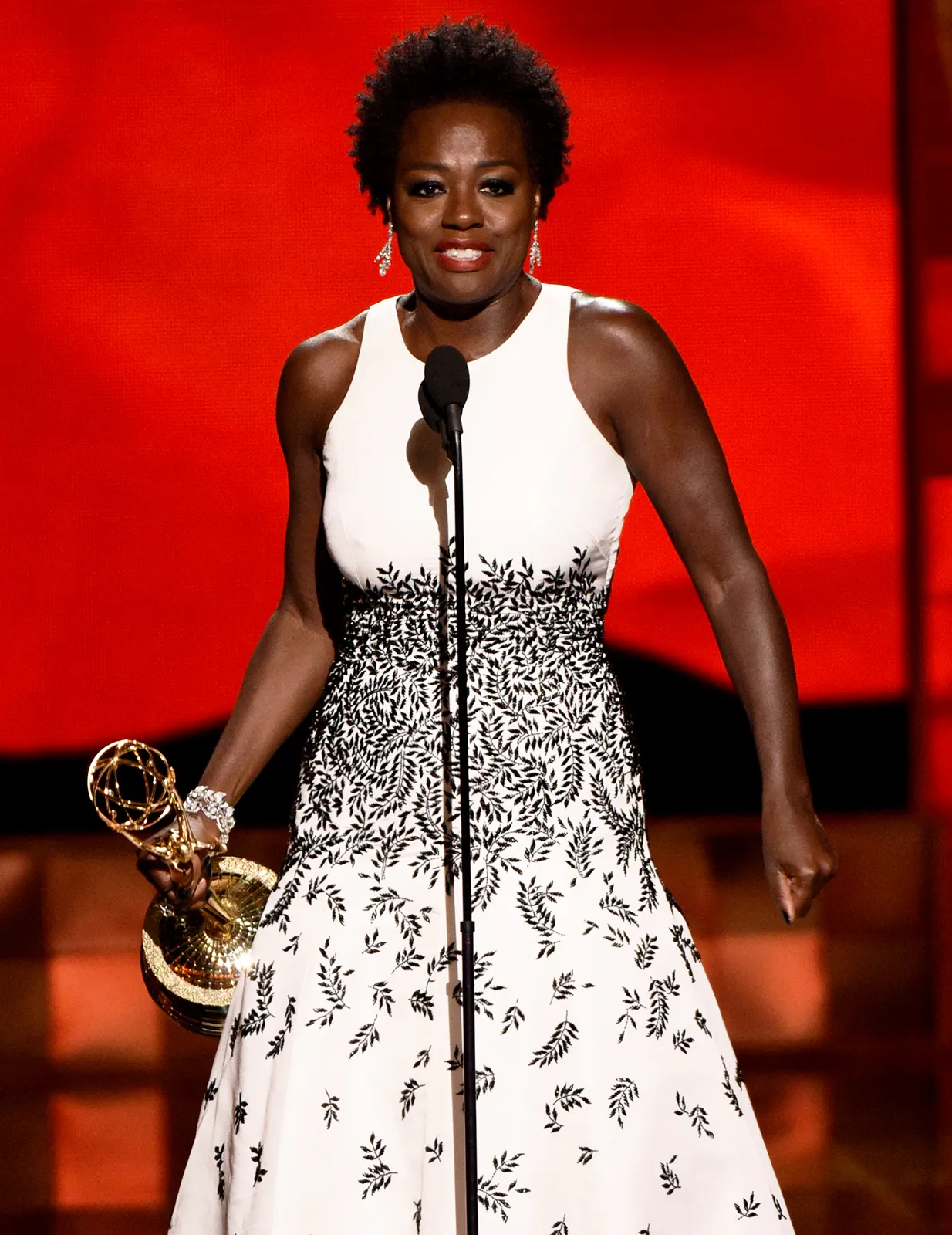
Viola Davis has increasingly become a household name in Hollywood, recognised not just for her formidable acting skills, but also for her tireless advocacy for diversity and representation in the film industry. Born on August 11, 1965, in South Carolina, Davis’s unique journey from modest beginnings to becoming one of the most celebrated actresses underscores the significance of her impact both on and off screen.
Career Highlights
Davis’s career skyrocketed after her performance in the Broadway production of “Fences,” which garnered her a Tony Award. This pivotal moment led to her significant film roles, including in “The Help” (2011), where she received an Academy Award nomination, and her Oscar win for “Fences” (2016). With this win, she made history as the first African American actress to achieve the Triple Crown of Acting, having already won Emmy and Tony Awards.
In recent years, she has expanded her repertoire with bold roles in films like “Ma Rainey’s Black Bottom” (2020), cementing her status as a dramatic powerhouse. Davis’s portrayal of complex characters often highlights the depth and range of African American women’s experiences, challenging stereotypes prevalent in mainstream media.
Advocacy and Influence
Beyond her artistic achievements, Viola Davis is also an active advocate for social justice and representation in the entertainment industry. In 2020, she spoke out about the lack of opportunities for black women in Hollywood and the urgent need for increased visibility in storytelling. Her production company, JuVee Productions, seeks to uplift underrepresented voices and create content that reflects diverse perspectives.
In recognition of her contributions, Davis received the star on the Hollywood Walk of Fame in February 2017. Her powerful speeches and candid discussions about race and identity continue to inspire a generation of artists and activists alike.
Conclusion
As Viola Davis continues to break barriers in Hollywood, her influence extends beyond the screen. She remains a beacon of hope and empowerment for many aspiring actors and advocates for change. Looking ahead, it is likely that her commitment to storytelling and advocacy will lead to even more groundbreaking roles and initiatives, paving the way for future generations to follow in her footsteps. Davis’s journey exemplifies the evolving landscape of the film industry, calling for more inclusive narratives and representation.