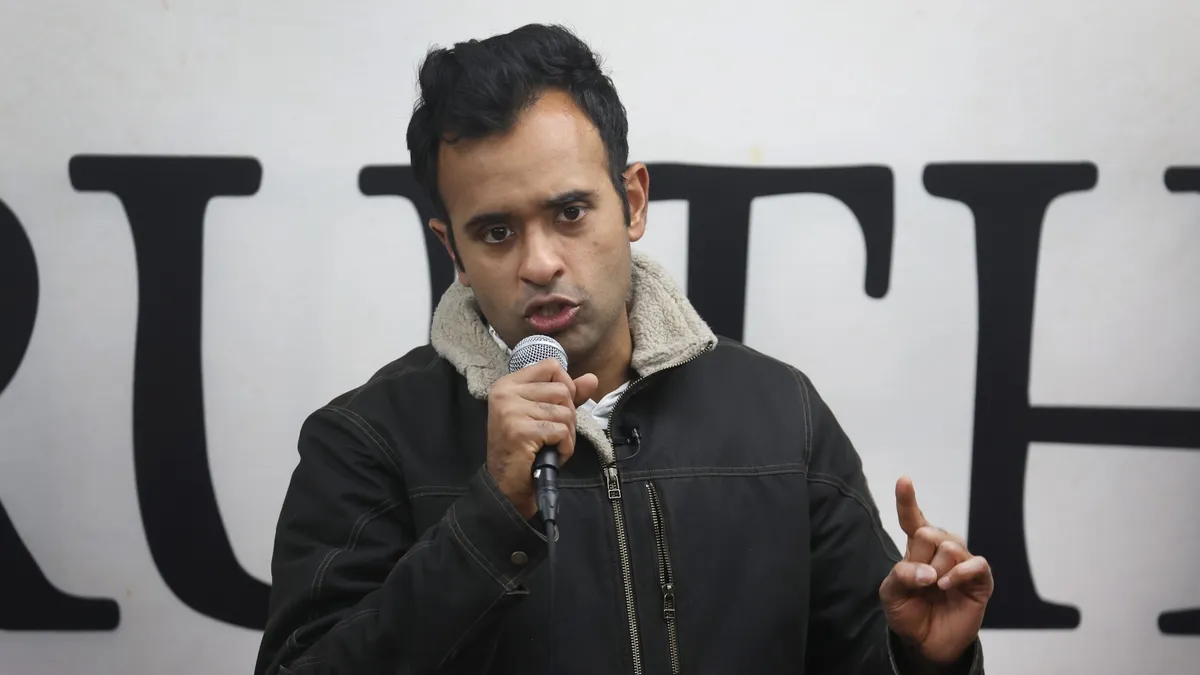
Vivek Ramaswamy has officially secured the Republican nomination for governor in Ohio, marking a pivotal moment in the state’s political landscape. His campaign is not just about winning; it’s a significant personal investment, with Ramaswamy contributing $25 million of his own money alongside another $25 million raised from donors.
Ramaswamy faces Amy Acton, who won the Democratic nomination without opposition. Acton, previously Ohio’s public health director during the COVID-19 pandemic, represents a stark contrast to Ramaswamy’s approach. He has been accused of politicizing the pandemic, stirring up lingering anger over COVID-19 restrictions that many voters still feel passionate about.
Key financial figures:
- Ramaswamy’s campaign is expected to be the most expensive in Ohio’s history.
- He reported having $30 million on hand for his campaign.
- Acton has approximately $5 million available for her efforts.
- The initial ad blitz for Ramaswamy is set at $10 million.
This election cycle marks a significant shift—Ohio hasn’t elected a Democrat as governor in 20 years. Ramaswamy’s national name recognition and wealth give him an edge, but they also invite scrutiny. His statements resonate with those frustrated by government responses during the pandemic. “Are we choosing freedom or are we choosing Fauci?” asked one supporter, encapsulating the sentiments of many voters.
Observers expect this race to be closely contested. While Ramaswamy capitalizes on his business background and personal narrative—“I know the American Dream exists because I’ve lived it right here”—Acton’s experience during a health crisis could sway undecided voters.
The stakes are high. With both candidates presenting strong cases, the outcome will likely hinge on voter turnout and their perceptions of how each candidate handled past crises. As the election approaches, both campaigns will need to navigate these complex issues carefully.