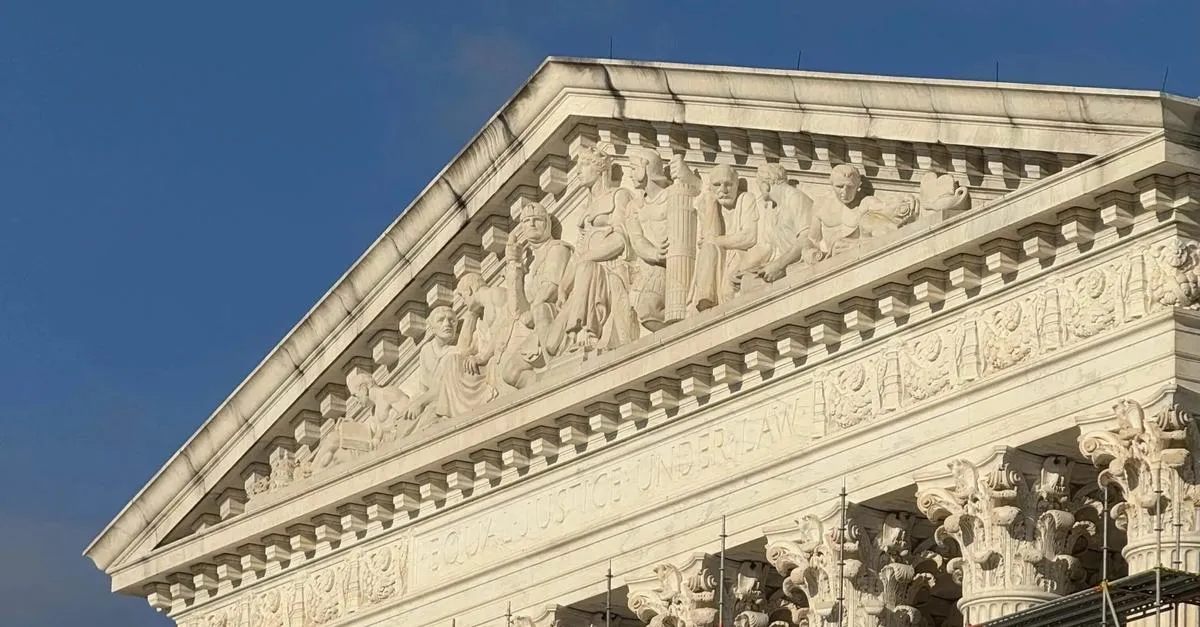
The U.S. Supreme Court’s ruling in Louisiana v. Callais significantly undermines the Voting Rights Act, allowing states to engage in discriminatory voting practices. This decision, issued on April 29, 2026, raises serious concerns about the future of electoral fairness.
Before this ruling, the Voting Rights Act served as a crucial safeguard against racial discrimination in elections for over six decades. Section 2 of the Act enabled voters to challenge discriminatory maps and practices effectively. Black voters in Louisiana had gained two opportunity districts where they could elect candidates of their choice, representing a step toward equitable representation.
However, the Supreme Court’s 6-3 decision now allows states to enact voting laws that can marginalize these gains. The ruling struck down a congressional map in Louisiana—one that had facilitated Black voter representation—while simultaneously raising new evidentiary hurdles for those challenging racially discriminatory maps.
The immediate effects are stark. States may now feel emboldened to redraw district lines in ways that dilute minority voting power through gerrymandering. Justice Elena Kagan remarked that the Voting Rights Act had previously ushered in awe-inspiring change, bringing the nation closer to fulfilling democratic ideals. Yet, this ruling seems to pave a path back to systemic disenfranchisement.
Experts express concern about how this shift could lead to the elimination of majority-minority districts across southern states. Chris Kieser articulated a troubling perspective: “The very idea of a majority-minority district and having a candidate of their choice is kind of antithetical to democracy.” If such sentiments gain traction, we might witness a regression in civil rights protections.
What lies ahead? Congress may need to step up and enact new protections against both racial and partisan discrimination in redistricting. States could also adopt their own measures to safeguard voting rights—though this could lead to a patchwork of regulations across the country.
The implications are profound. The decision not only challenges established norms but also raises questions about the future trajectory of voting rights legislation. As we move forward, one thing is clear: the fight for equitable representation is far from over.