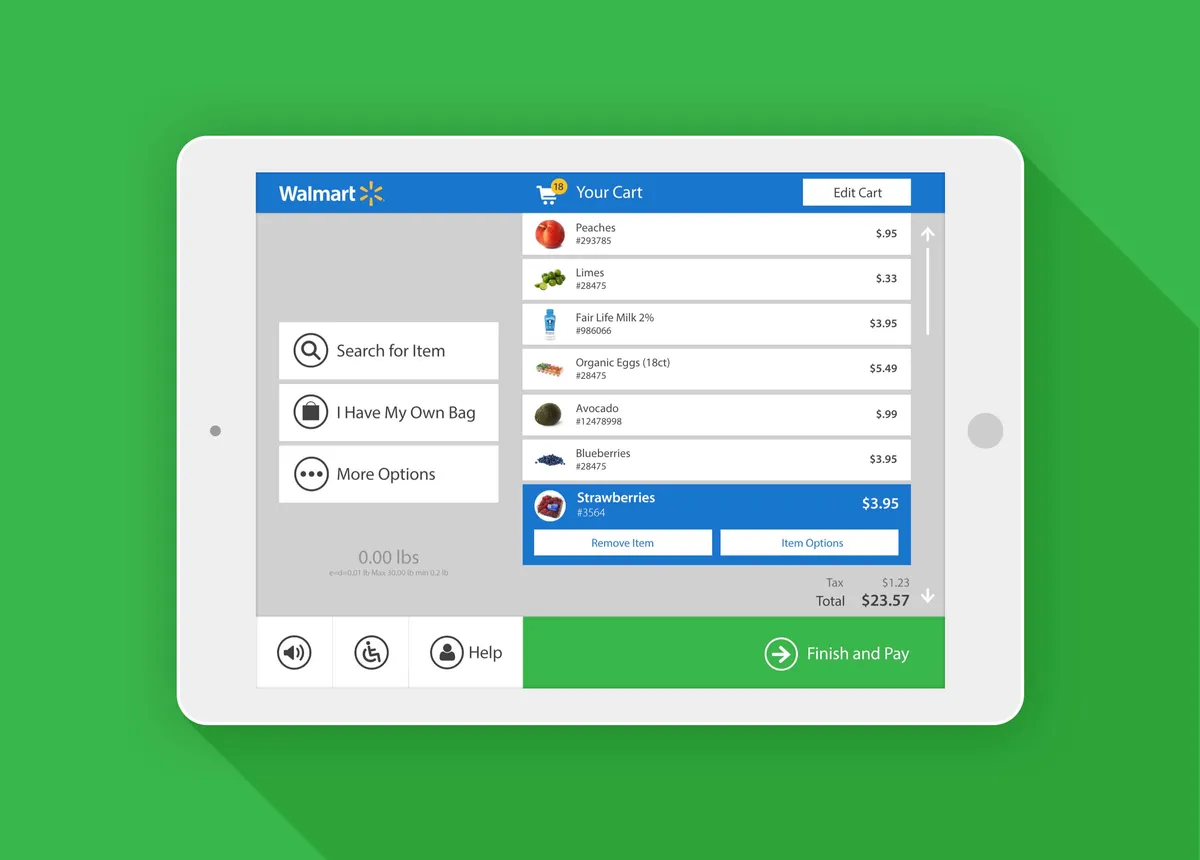
In a significant move, Walmart has removed self-checkout lanes at its South Philadelphia store, a decision driven by escalating concerns over theft and customer dissatisfaction. This shift aligns with broader trends in the retail sector as companies grapple with changing shopping patterns.
Over the past few years, self-checkout systems have faced increasing scrutiny. A December 2025 survey revealed that 27% of users admitted to purposefully taking items without scanning them. Alarmingly, 69% of customers believe these kiosks facilitate theft. Retailers like Dollar General and Target are also reevaluating their self-checkout strategies in response.
In December 2025, Walmart decided to replace its self-checkout kiosks with staffed registers, aiming to enhance the checkout experience for customers. The company framed this change as an effort to improve customer service and alleviate long lines—issues that have plagued many shoppers.
Key events leading to this decision:
- In 2024, Dollar General removed self-checkouts from 12,000 stores nationwide, reflecting similar concerns.
- Legislators across several states began pushing for regulations on self-checkout systems amid rising retail theft incidents.
- Retail experts suggest that reverting to manned checkouts can save retailers money while improving oversight.
Walmart’s spokesperson noted that these changes are informed by feedback from both associates and customers, emphasizing the need to address local shopping patterns and community needs. Yet, some critics argue that removing automation could lead to longer wait times at traditional registers.
A Walmart customer expressed frustration over lengthy lines regardless of checkout type: “I stop at Walmart to grab lunch because the prices can’t be beat on many things. I just want one or two items for my lunch and I get to the checkout and it’s a massive line no matter if you want self checkout or human checkout.” This sentiment illustrates the balancing act retailers face between efficiency and customer satisfaction.
The ongoing debate surrounding self-checkout systems highlights a critical intersection of technology, consumer behavior, and security. Amanda Farías pointedly remarked, “We’ve seen the consequences of removing workers from these spaces: increased retail theft, less oversight, fewer protections for both workers and customers and generally decreased safety.” Such perspectives underscore the complexities involved in automating retail environments.
As retailers navigate these challenges, Walmart’s shift may signal a return to more traditional forms of customer service in an era increasingly dominated by automation. The impact of this move on overall shopping experiences remains uncertain but is certainly worth observing as other retailers may follow suit.