Introduction
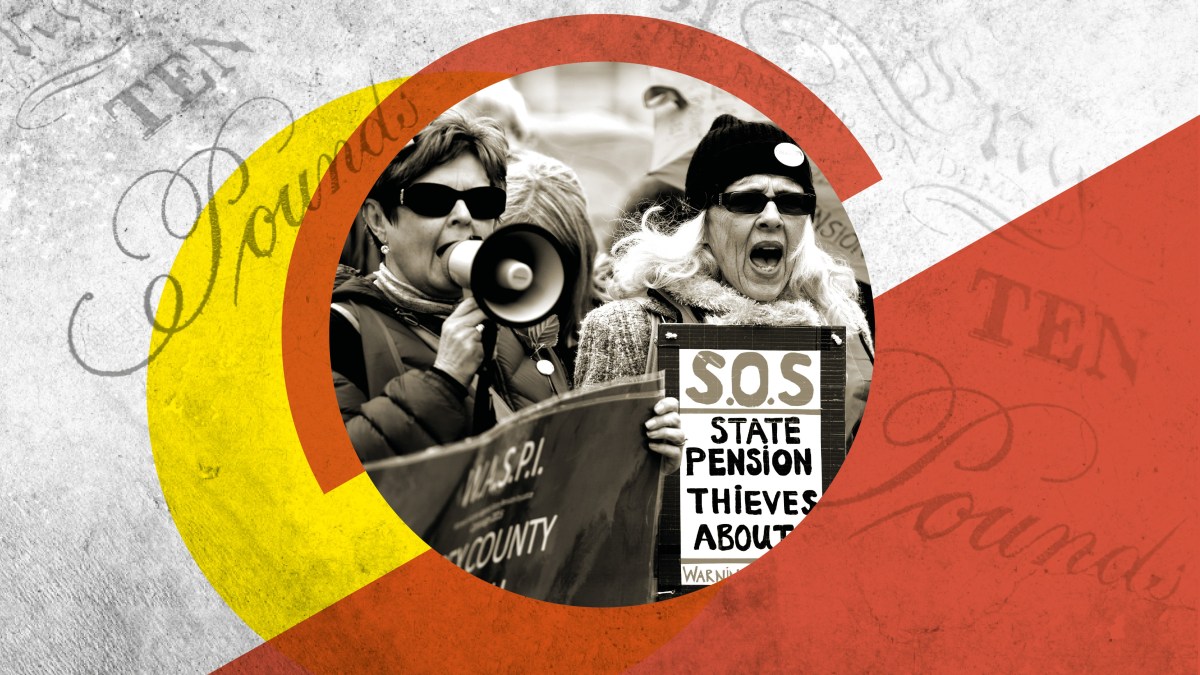
The Women Against State Pension Inequality (WASPI) campaign has emerged as a crucial advocate for women negatively impacted by changes to the state pension age. The adjustments, which brought about equal pension ages for men and women, have left many women born in the 1950s facing financial hardship due to inadequate notice of the changes. As discussions continue around pension compensation, the issue remains a pertinent topic in UK politics, especially as the nation grapples with financial recovery and equity for all demographics.
Background on WASPI Campaign
The WASPI campaign was founded in 2015, mobilising thousands of women affected by the 1995 and 2011 Pension Acts, which gradually increased the state pension age for women and left many with little time to adjust their retirement plans. It’s estimated that around 3.8 million women have been affected. The group’s demands include a fair transitional arrangement and compensation for the women impacted by sudden policy changes.
Recent Developments
In recent months, there have been several developments related to the WASPI campaign. Most notably, the Parliament’s Women and Equalities Committee has initiated inquiries into the issue, advocating for the government to reconsider its stance on compensation. In September 2023, a petition to the UK government, requesting a review of the pension changes, garnered significant public support, with over 200,000 signatures.
Additionally, various MPs from both the ruling and opposition parties have expressed their support for WASPI women, indicating a growing acknowledgment of the issue among policymakers. However, the government has yet to implement any concrete measures, maintaining its position that the changes were widely publicised and applicable under law.
The Future of Pension Compensation
The future of WASPI women’s compensation remains uncertain. Advocates continue to push for resolutions in the form of financial compensation, while many are questioning whether further legal action may be necessary to procure justice for affected women. Concerns surrounding public sentiment have also arisen, especially regarding the vote share among older women. As the government approaches key elections, the impact of these ongoing discussions could shape political strategies moving forward.
Conclusion
The WASPI women’s pension compensation issue illustrates the complexities of pension reform and the necessity for policymakers to consider the socio-economic impact of such changes on different demographics. As public support grows and inquiries progress, the fight for justice and compensation for WASPI women may finally gain momentum. For readers, this continues to be an important subject of awareness within the broader dialogue around equality and pensions in the UK.