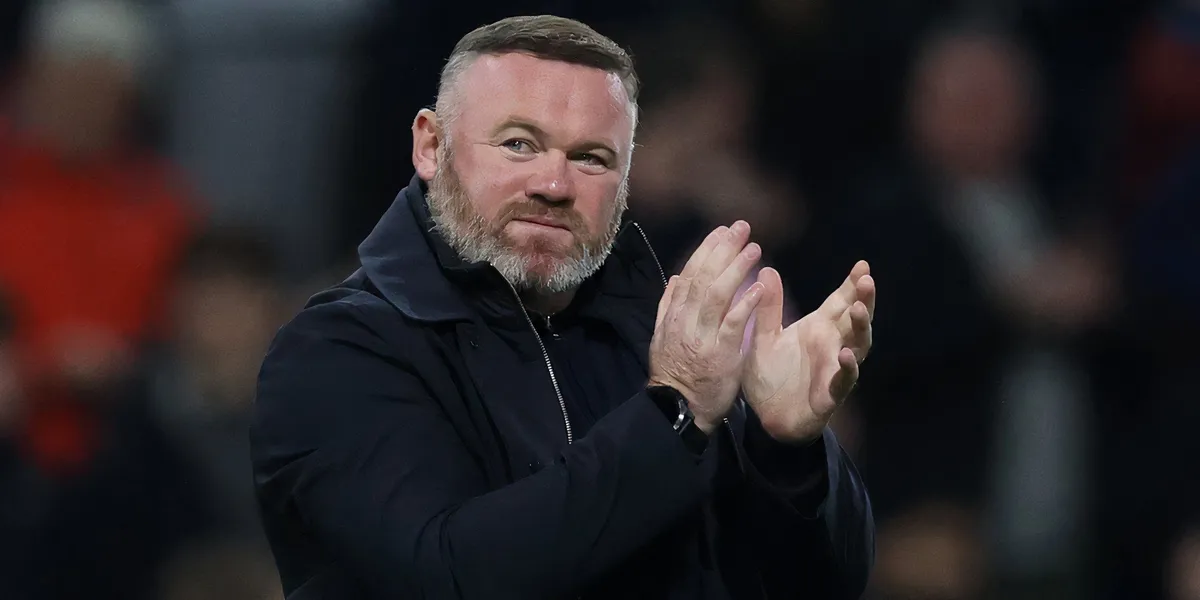
In the wake of Liverpool’s disappointing 2-1 loss to Brighton, Wayne Rooney has emerged as a vocal critic of manager Arne Slot’s post-match comments. The defeat came after a quick turnaround from a Champions League match against Galatasaray, which Rooney believes should not serve as an excuse for poor performance.
Rooney stated, “I just don’t get it. There’s not that many more games now to what there was when we played, and when you’re playing games, you have that momentum of playing games.” His remarks highlight a growing frustration with managerial justifications for underwhelming results in high-stakes matches.
In a contrasting note, Rooney expressed his support for James Garner, who was recently called up to the England squad. He praised Garner’s performances, stating, “He fully deserves to be in there, he’s been brilliant all season. His attitude when playing right-back and in midfield, his quality, his tackling, his passing – everything about his performances this season has been top-class.” This endorsement reflects Rooney’s belief in the importance of recognizing talent and rewarding consistent performance.
Meanwhile, Rooney has also commented on Chelsea’s ongoing struggles under their current ownership and management. The club suffered a 3-0 defeat to Everton, marking their fourth consecutive loss in all competitions. Rooney noted, “I just think if you want to be successful, you want to win trophies, every successful team has got good, experienced players in the squad.”
His critique of Chelsea’s strategy of signing young players and then selling them raises questions about the long-term viability of such a model in achieving success. This perspective aligns with a broader discussion in football regarding the balance between youth development and the necessity of experienced leadership within a team.
As the football season progresses, the implications of these comments from Rooney could resonate beyond the immediate context of Liverpool and Chelsea. His insights into player management and performance expectations may influence how clubs approach their strategies moving forward.
Currently, Liverpool and Chelsea find themselves at critical junctures, with fans and analysts alike watching closely to see how these teams will respond to the mounting pressure. Rooney’s critiques serve as a reminder that in football, accountability and performance are paramount.
In the coming weeks, all eyes will be on the respective management teams of Liverpool and Chelsea as they navigate through these challenging times. The stakes are high, and the need for effective leadership and strategic clarity has never been more pressing.