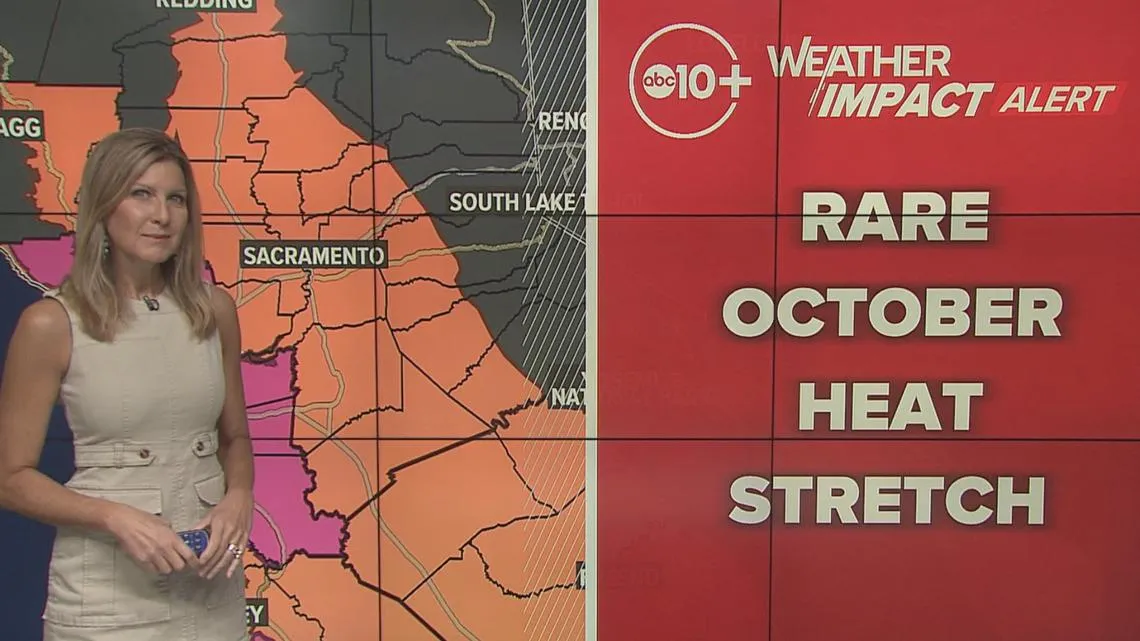
As March progresses, the Southwest is experiencing a historic heat wave that has already shattered monthly records across California, Nevada, and Arizona. Just before the key developments unfolded, meteorologists were monitoring unusual temperature patterns, but the extent of the heat wave was beyond initial forecasts.
On March 18, 2026, a reporting station east of North Shore, California, recorded a staggering high of 108 degrees Fahrenheit, tying the nation’s hottest March temperature on record. This extreme heat event has led to 65 cities tying or setting new March record highs, including major urban centers like Phoenix, Las Vegas, Reno, and Sacramento.
In Phoenix, residents experienced their second 100-degree day of March on the same date, reaching 102 degrees, which is eight days earlier than the previous record. Such early heat raises alarms about the potential for prolonged high temperatures as the season progresses.
Extreme heat warnings and advisories have been issued, impacting nearly 40 million Americans in the Southwest. The heat dome currently affecting the region is noted to be comparable in strength to those typically seen in June, raising concerns about the implications for public health and safety.
Interestingly, Kansas City, which has not seen temperatures reach 90 degrees in March since 1910, may finally break that streak this weekend, highlighting the unusual nature of this heat wave.
The forecast suggests that this heat wave could set records for any March day in over 140 cities stretching from California to Montana, South Dakota, and Texas. The heat is expected to persist into at least the first half of the following week, prompting further scrutiny from climatologists and emergency services.
Adding to the urgency, the warmest winter on record has left snowpack levels in the West at their lowest in at least two decades. This lack of snowpack raises concerns about water supply and the potential for drought expansion in the Southwest.
Moreover, experts warn that the current heat wave may lead to higher fire danger as summer approaches. The magnitude of this heat wave has been made at least five times more likely due to climate change, according to Climate Central, emphasizing the urgent need for climate action.
As the situation develops, the implications of this unprecedented weather heat wave forecast will be felt across various sectors, from agriculture to public health, and will likely shape discussions on climate resilience and adaptation strategies.