Introduction
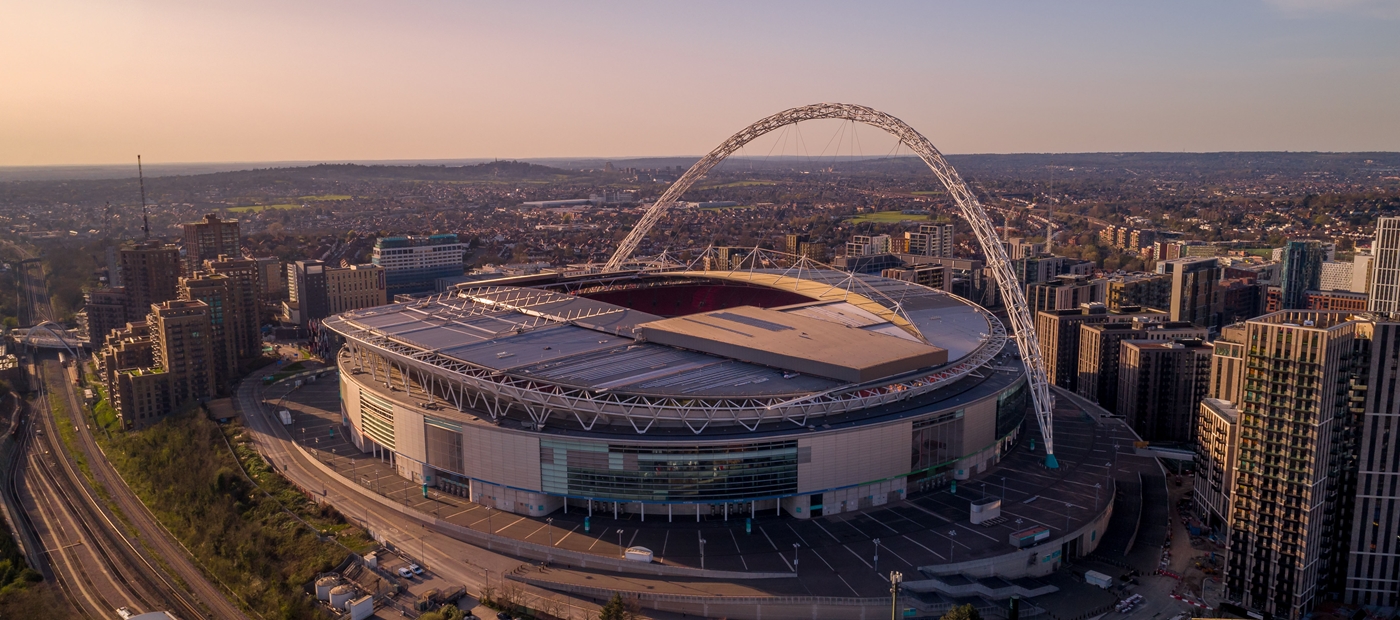
Wembley Stadium, located in London, is not only a prominent sports venue but also a cultural icon that has hosted some of the most significant events in sports history. Its importance extends beyond the pitch, being a symbol of national pride and a focal point for major entertainment events. As we continue to recover from the impacts of the COVID-19 pandemic, Wembley Stadium’s upcoming events highlight its role in the community and the economic revitalisation of the region.
Recent Events and Significance
Wembley Stadium recently hosted the UEFA Euro 2020 final, which was delayed to 2021 due to the pandemic. The match, featuring Italy against England, attracted over 67,000 fans, marking one of the largest attendances at the stadium since its reopening in 2007. The final became a significant moment of unity and celebration in England, demonstrating the power of sport to bring people together, especially after months of lockdown and restrictions.
In addition to football, Wembley Stadium serves as a venue for other major events, including concerts by renowned artists such as Adele and Ed Sheeran. This diverse use of the stadium underlines its importance as a multi-purpose venue, catering to a wide range of audiences and events throughout the year. The upcoming calendar includes high-profile matches in various competitions, as well as concerts and cultural festivals that are expected to draw large crowds.
Future Outlook and Economic Impact
The significance of Wembley Stadium extends beyond entertainment; it plays a crucial role in the local economy. Studies have shown that events held at the stadium contribute millions to the UK economy, supporting local businesses and creating jobs. As the stadium prepares for a busy schedule in 2023 and beyond, local authorities and stakeholders are optimistic about its potential to stimulate economic growth and social interaction.
Moreover, Wembley Stadium’s ongoing commitment to sustainability and community engagement demonstrates its dedication to becoming a leader in responsible event management. Initiatives promoting eco-friendly practices during events and outreach programs aimed at fostering local talent are part of the stadium’s strategy to stay relevant and highly regarded in the future.
Conclusion
Wembley Stadium stands as a testament to Britain’s rich sports heritage and cultural landscape. As it continues to host a variety of significant events, the stadium affirms its status not only as a sports venue but also as a key player in the social and economic fabric of the UK. The coming years will certainly pose challenges, but with its deep connections to the community and its historical significance, Wembley Stadium is poised to remain a cornerstone of sporting and cultural excellence.