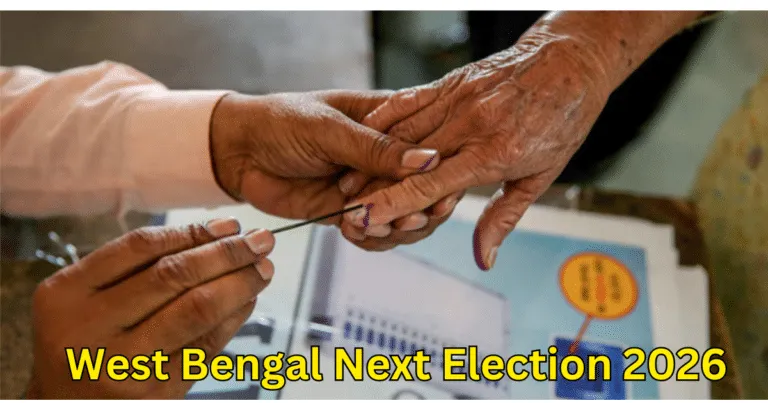
The BJP’s victory in West Bengal marks its first win in a state where it has historically struggled, signaling a major political shift in the region. In the recent elections held in April 2026, the BJP won or was leading in 200 out of 294 seats, while Mamata Banerjee’s TMC managed only 87 seats. This outcome reflects not just a change in voter sentiment but also highlights the effectiveness of BJP’s campaign strategies.
Before this decisive moment, expectations leaned heavily towards TMC retaining power. The party had been in control since 2011, and many believed that its welfare schemes would resonate with voters. However, anti-incumbency sentiments brewed beneath the surface—fueled by perceptions that TMC was increasingly catering to specific communities, particularly Muslims, rather than addressing broader concerns.
What changed? Voter turnout reached an impressive 92.93 percent, with nearly 68.2 million people casting their votes. This surge indicates heightened engagement among the electorate—perhaps a reflection of discontent with the status quo. The BJP capitalized on this momentum through a campaign that focused on welfare initiatives and robust ground-level organization.
The immediate effects are palpable. The TMC now faces scrutiny regarding its governance and electoral strategy. Experts like Rahul Verma note that while Mamata Banerjee remains popular, there is undeniable anti-incumbency against the TMC machinery. Seema Das, on the other hand, argues that Banerjee has lost her way by prioritizing appeasement over broader governance.
In contrast, BJP leaders celebrated their win as a validation of their approach. Suvendu Adhikari expressed gratitude towards Hindu voters for their support, emphasizing the role of Hindu-Muslim polarization in shaping electoral dynamics. This polarization may have contributed to shifting loyalties among previously undecided voters.
The implications extend beyond mere seat counts. The BJP’s success could reshape political alliances and strategies across India, especially as parties reassess their positions ahead of future elections. Praveen Rai pointed out that the party system had turned hostile toward those who did not subscribe to a particular ideology—an observation that could influence upcoming political discourse.
This election serves as a crucial juncture for West Bengal politics. As parties recalibrate their strategies and messaging, one thing is clear: the landscape has shifted dramatically. With the next legislative assembly elections set for May 4, 2026, all eyes will be on how these developments unfold.