Who is involved
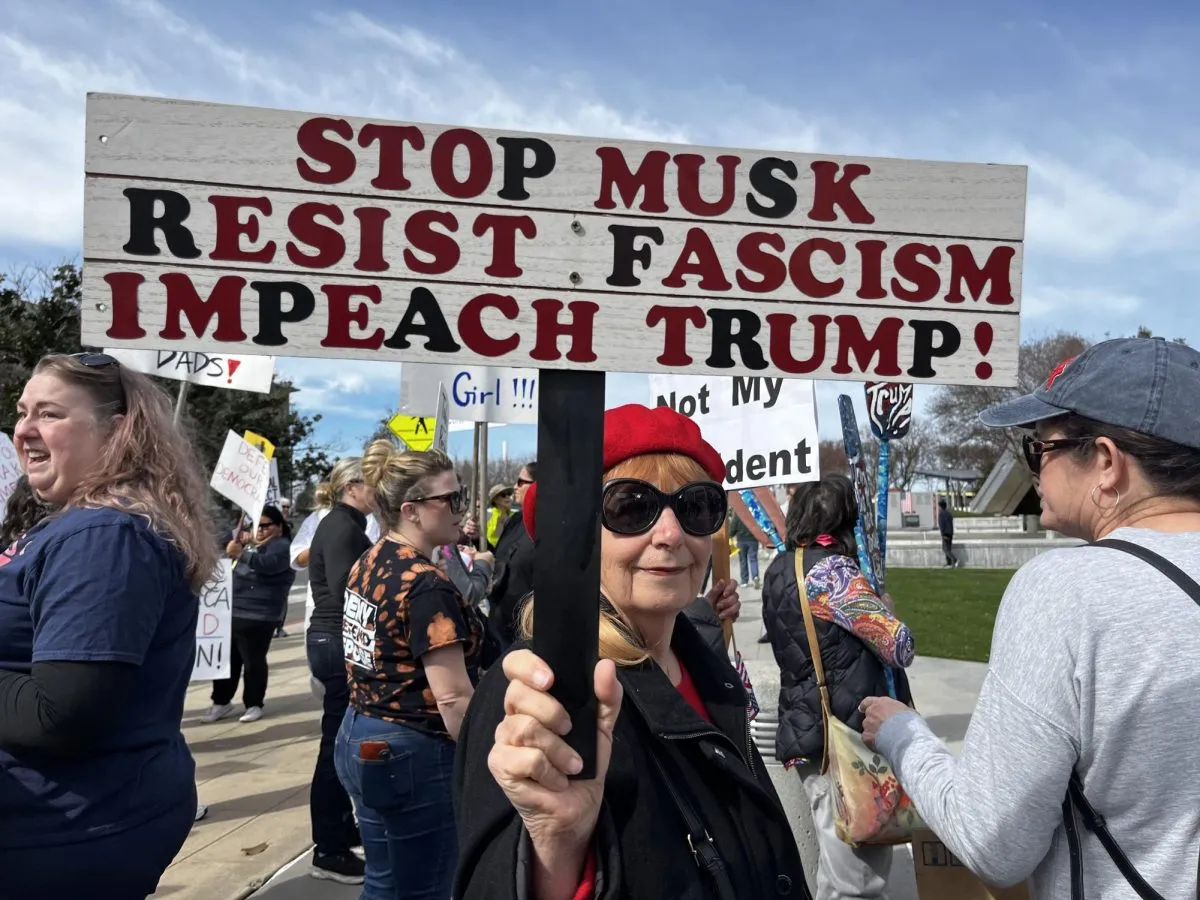
The No Kings protests are a series of demonstrations against President Donald Trump, reflecting a growing discontent among various voter demographics. Prior to this movement, there was a palpable expectation among many that Trump’s presidency would stabilize after the tumultuous events of 2025. However, the political climate shifted dramatically as more citizens began to perceive his administration as increasingly authoritarian.
On March 28, 2026, a decisive moment arrived when more than 9 million people were expected to participate in the No Kings protests nationwide, with over 3,000 planned demonstrations across the country. This marked a significant escalation in the anti-Trump resistance, particularly among suburban voters who had previously leaned Republican but were now mobilizing against what they viewed as a threat to democracy.
The protests, organized primarily by the activist group Indivisible, are set to take place in various locations, with at least 40 demonstrations planned in the Philadelphia region alone. The Philadelphia protest will begin at City Hall and march down the iconic Ben Franklin Parkway, with speeches expected to start around 1:15 p.m. This event is not just a local phenomenon; it symbolizes a nationwide uprising against perceived authoritarianism.
Key figures such as Analilia Mejia, a progressive activist and candidate in New Jersey’s 11th District special election, have emerged as prominent voices in this movement. Mejia’s candidacy, coinciding with the protests, underscores the urgency of the moment, as the special election is scheduled for April 16, 2026. Her statement, “A ZIP code does not protect anyone from rising violent authoritarianism,” resonates with many who feel that the fight against Trumpism is personal and immediate.
The direct effects of these protests are already being felt across the political landscape. Activists like Allison Posner emphasize the collective nature of this struggle, stating, “This is not some other people’s fight. This is our fight.” This sentiment encapsulates the urgency and determination of those participating in the No Kings protests, as they seek to reclaim their political agency.
Experts suggest that the protests are indicative of a larger trend, with suburban voters increasingly distancing themselves from the Republican Party in response to Trump’s presidency. Jeff Naiman, a political analyst, remarked, “It’s like our hair is on fire,” highlighting the intense emotions driving this movement. His assertion that areas like Summit will not swing towards Republicans as long as Trumpism persists reflects a broader sentiment among voters who feel alienated by the current administration.
The No Kings protests are expected to be the largest day of protesting in U.S. history, mobilizing millions of protesters in a manner reminiscent of the mass demonstrations seen in 2025. This unprecedented level of engagement signals a significant shift in the political landscape, as citizens from various backgrounds unite against a common cause. As details remain unconfirmed, the implications of this movement will likely reverberate through the political sphere for years to come.