Introduction to Phishing
In an increasingly digital world, the threat of cybercrime looms larger than ever. One of the most prevalent methods used by cybercriminals is phishing. Phishing refers to the fraudulent attempt to obtain sensitive information such as usernames, passwords, and credit card details, often by masquerading as a trustworthy entity in electronic communications. Understanding how phishing works and how to protect oneself is crucial in today’s technology-driven society.
The Mechanics of Phishing
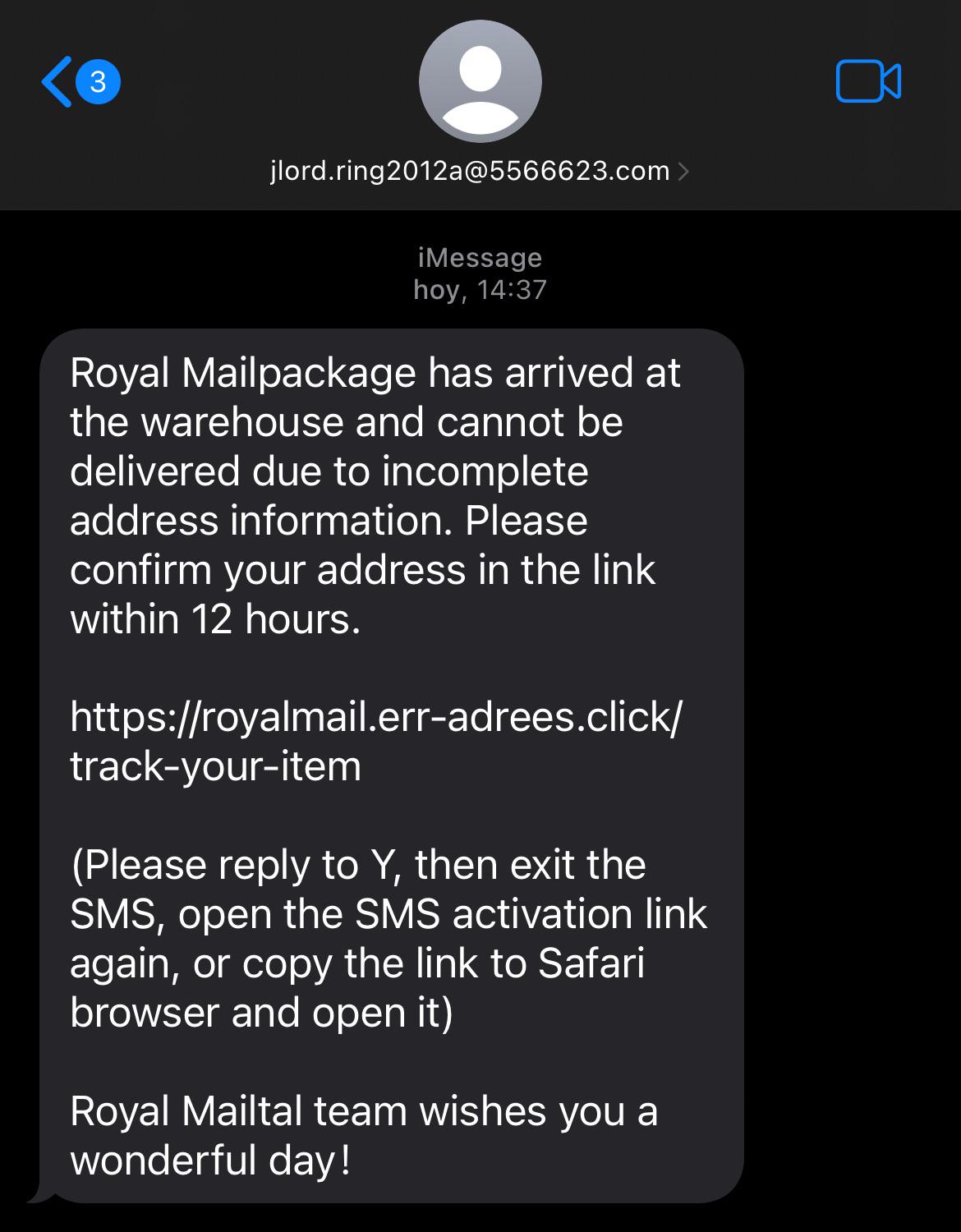
Phishing typically occurs through email, social media, or instant messaging platforms. Attackers craft messages that appear to come from legitimate organizations, often using official logos and language to establish credibility. These messages often contain links to fake websites designed to look like legitimate ones, prompting victims to enter personal information.
Recent studies indicate that phishing attacks have risen dramatically, with the Anti-Phishing Working Group reporting a record number of attempts in 2022. As more individuals engage in online transactions and communications, the opportunities for attackers to exploit can lead to severe financial and personal consequences.
Recent Phishing Trends
Cybercriminals are continually evolving their tactics. Recent trends show an increased use of spear phishing, which targets specific individuals or organizations, rather than the more generic phishing attempts. This approach makes the attacks more convincing, as they often reference personal details or utilize knowledge of the target’s workplace. Another alarming trend is the rise of voice phishing, or ‘vishing,’ which involves phone calls from attackers pretending to be legitimate companies.
How to Protect Yourself from Phishing
While phishing poses significant risks, there are several proactive measures individuals can take to safeguard their personal information. Firstly, always verify the source of any unsolicited communication. Checking for signs of phishing, such as poor grammar or unfamiliar sender addresses, can be crucial.
Additionally, enabling two-factor authentication on accounts adds another layer of security. Regularly updating passwords and using password managers can also help protect sensitive information. Being cautious and staying informed about the latest phishing tactics can greatly reduce the risk of falling victim to these schemes.
Conclusion
As cyber threats continue to evolve, being educated about practices like phishing is essential. The responsibility lies with individuals to remain vigilant and take steps to protect their sensitive information. Failure to do so can have serious ramifications, including identity theft and financial loss. Staying informed and adopting preventative measures is the best defence against these increasingly sophisticated cyber threats.