Introduction
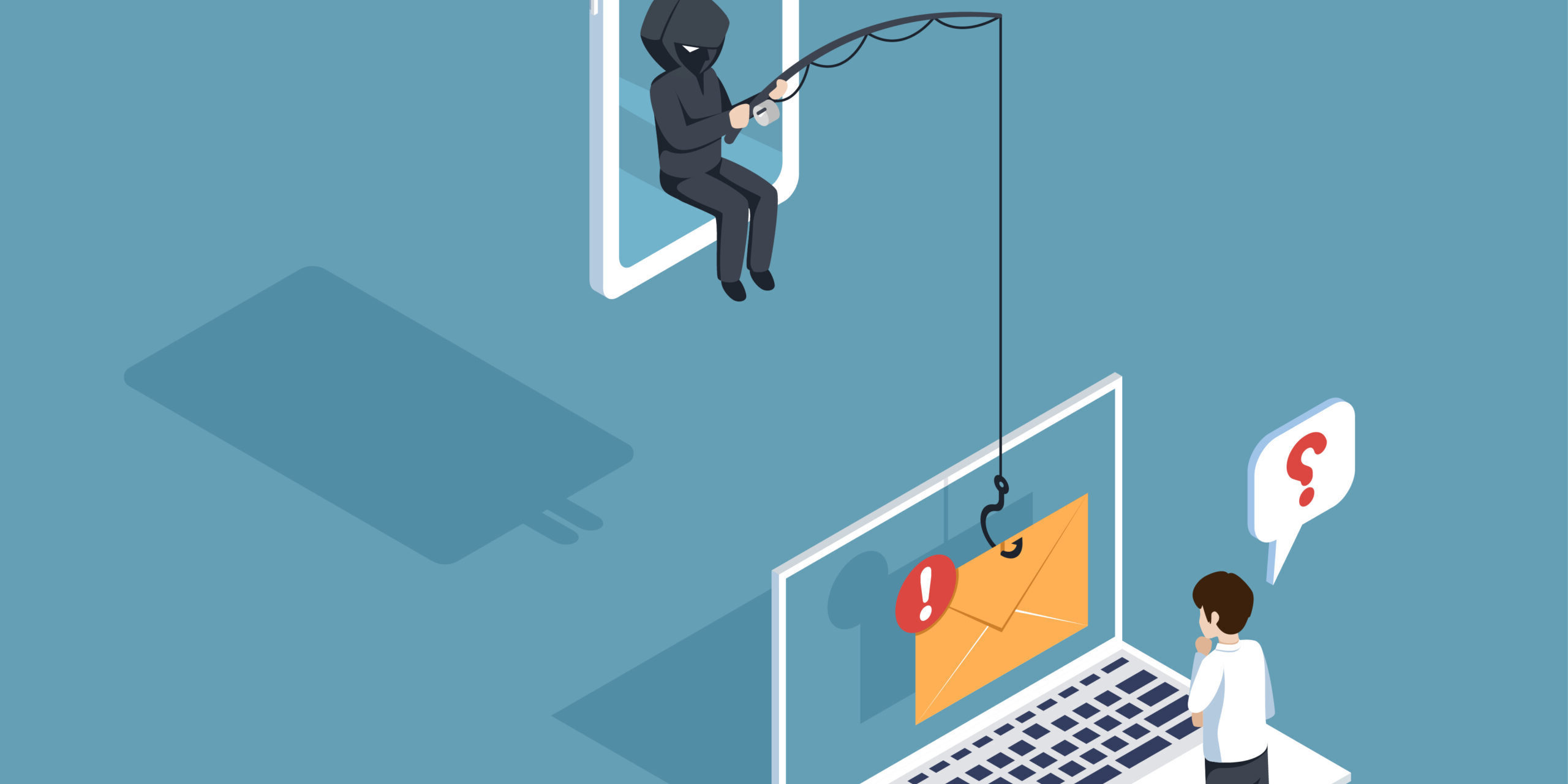
Phishing is a cybercrime characterized by the attempt to obtain sensitive information from individuals under the guise of a trustworthy entity. As digital interactions become more prevalent, understanding phishing is crucial. It not only affects individuals but also has significant implications for organisations and economic stability. With recent data indicating a rise in phishing attacks, being informed about this threat is essential for everyone.
What is Phishing?
Phishing typically involves deceptive emails, messages, or websites that attempt to lure victims into disclosing personal information such as usernames, passwords, and credit card details. The attackers often impersonate well-known brands or institutions, creating a sense of urgency or fear to trick users into complying. For instance, a common tactic is sending an email that appears to be from a bank, urging the recipient to verify their account to avoid suspension.
Types of Phishing
There are several types of phishing techniques:
- Email Phishing: The most common form where attackers send fraudulent emails.
- Spear Phishing: A targeted attempt directed at specific individuals, often using personal information.
- Whaling: A subset of spear phishing aimed at high-profile targets like executives.
- Vishing: Voice phishing involves phone calls to prompt users to provide confidential information.
- Smishing: Similar to vishing, but conducted via SMS.
Recent Trends and Data
Recent studies suggest a sharp increase in phishing attacks. According to the Anti-Phishing Working Group, phishing attempts surged by over 20% in 2023 alone, with sectors such as finance and healthcare being prime targets. The diversification of phishing tactics, including the use of social media platforms to trick users, has further exacerbated the situation. Moreover, the COVID-19 pandemic saw a temporary spike in phishing due to the rising use of digital services.
How to Protect Yourself
Protecting oneself from phishing requires vigilance and a few best practices:
- Always verify the sender’s email address.
- Avoid clicking on links or downloading attachments from unknown sources.
- Enable two-factor authentication on accounts.
- Use reputable security software and keep it updated.
- Educate oneself and others about the risks of phishing.
Conclusion
Phishing presents a pervasive threat in the digital age, affecting individuals and organisations alike. As techniques evolve and become more sophisticated, awareness is key in combating this cyber threat. By understanding what phishing is and implementing strategies to safeguard personal information, individuals can significantly reduce their risk of falling victim to these scams. It is crucial for everyone to remain vigilant and informed to navigate the digital landscape safely.