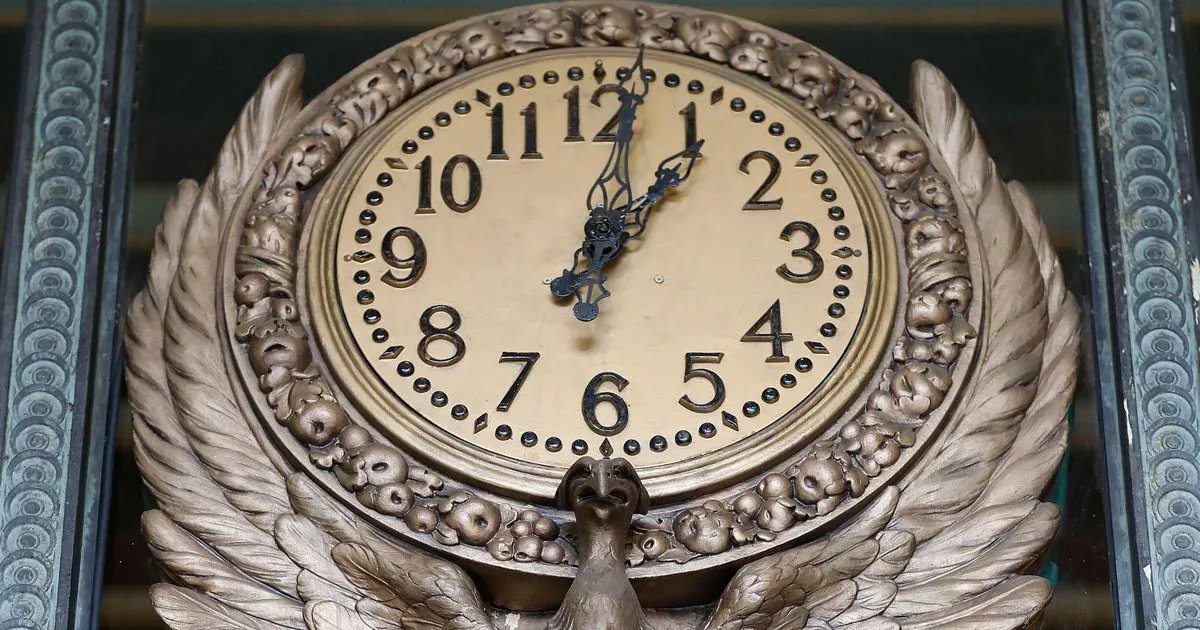
Daylight Saving Time Begins
“Daylight saving time officially began at 2 a.m. Sunday morning, March 8, pushing sunrise and sunset one hour later.” This statement reflects the annual transition that affects millions of Americans as they adjust their clocks forward by one hour.
As the clocks changed from 2 a.m. to 3 a.m., most of the U.S. lost an hour of sleep, a common consequence of this biannual ritual. The time change allows for extended daylight in the evening, which many believe contributes to energy savings and increased outdoor activities.
Daylight saving time has been observed on the second Sunday of March since 2007, continuing a tradition that dates back to its first adoption in the U.S. in 1918 during World War I. The practice was initially implemented to conserve fuel, and its goal remains to provide extra daylight hours in the evening.
However, not all regions participate in this time change. Only Hawaii and most of Arizona do not observe daylight saving time, along with U.S. territories such as American Samoa, Guam, Northern Mariana Islands, Puerto Rico, and the U.S. Virgin Islands, which do not adjust their clocks.
In 2026, daylight saving time will be in effect for a total of 238 days, concluding on November 1. This extended period allows for more daylight in the evenings, which is particularly beneficial for businesses like bars and restaurants, especially in states like Indiana, where the time change permits an extra hour of alcohol sales.
Despite the advantages, there is a growing sentiment against the time change. A recent poll indicated that two-thirds of Americans favor the permanent elimination of daylight saving time. This sentiment reflects a broader discussion about the relevance and impact of such practices in modern society.
Although a bill aimed at ending the time change passed the Senate in 2022, “Despite a bill passing the Senate in 2022, there is no permanent end to the time change currently in place.” This uncertainty leaves many wondering if and when a final decision will be made regarding the future of daylight saving time.
Many Americans also hold misconceptions about the origins of daylight saving time. “Many Americans wrongly point to farmers as the driving force behind Daylight Saving Time,” highlighting the need for more public education on the topic.
As the nation adjusts to the new time, the question remains: what time is it? For many, it is a reminder of the ongoing debate surrounding daylight saving time and its implications for daily life.