Introduction
The TV licence is a legal requirement in the United Kingdom for anyone watching live television or using the BBC iPlayer. This fee supports the British Broadcasting Corporation (BBC), which provides a range of services including television, radio, and online content. Understanding the TV licence is crucial, as failing to pay it can lead to significant fines and legal action.
Importance of the TV Licence
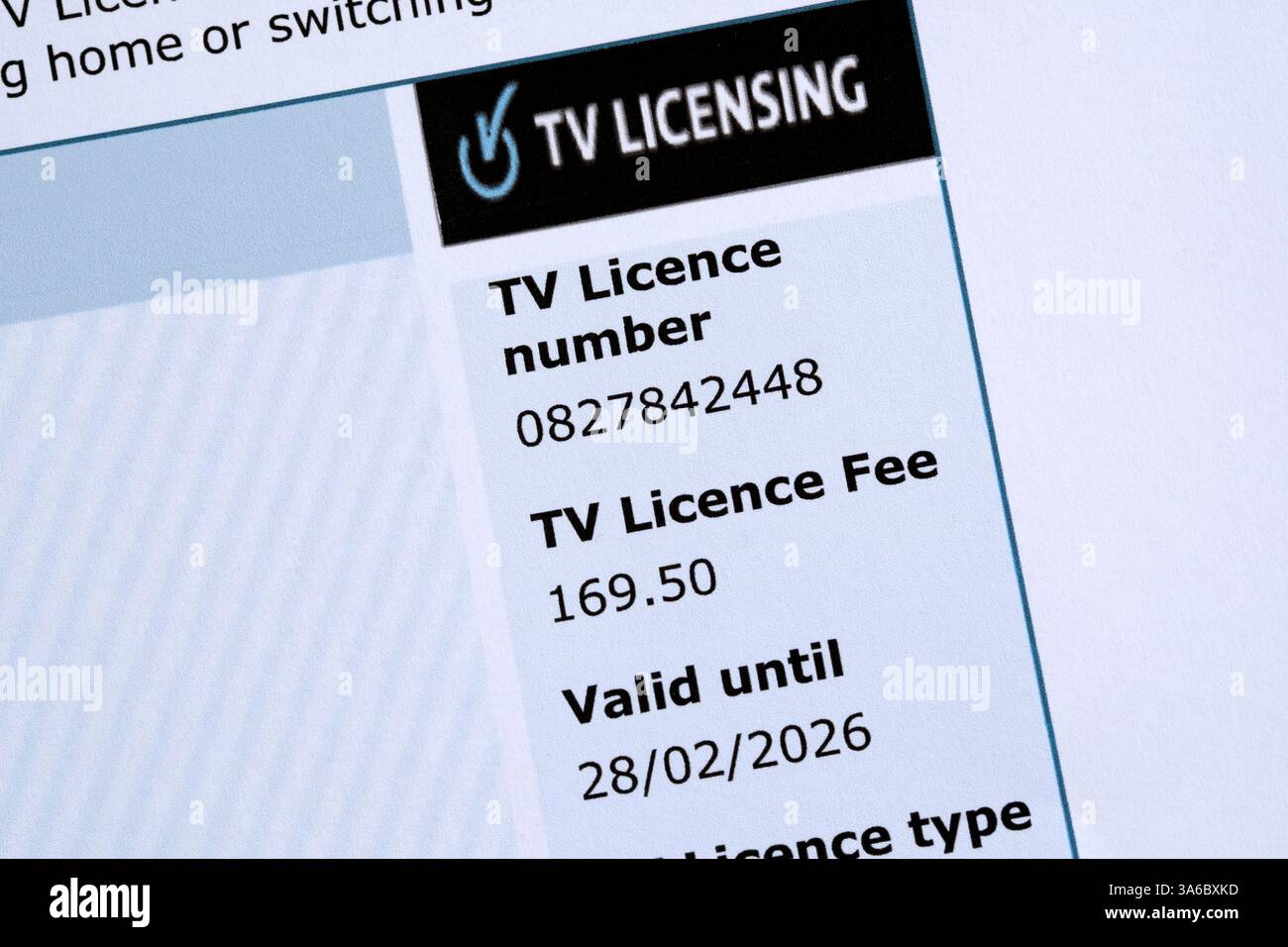
The TV licence is not just a fee; it is a vital component of BBC’s funding model, enabling the organisation to operate without direct advertising. In 2023, the TV licence fee remains at £159 for colour and £53.50 for black and white TV. The revenue from this licence supports public broadcasting, ensuring content that is informative, educational, and entertaining is available to everyone. In the face of increasing complaints about the fairness of the TV licence fee, the BBC has defended its necessity, highlighting the critically acclaimed services it provides.
Recent Developments
Recently, discussions around the future of the TV licence have intensified. In 2023, there have been calls from politicians and the public alike to reform the funding model of the BBC amid concerns about its relevance and topics covered. Some stakeholders are advocating for a subscription model similar to streaming platforms, while others argue for maintaining the current system to preserve its independence and quality. Moreover, the government is examining proposals for a new system that would ensure all users of BBC content contribute fairly to its funding.
Risks of Non-Compliance
It’s essential for citizens to understand the consequences of neglecting to pay for a TV licence. Currently, over 50,000 people in the UK are prosecuted every year for not possessing a valid TV licence. The penalties can result in fines up to £1,000, highlighting the legal implications of non-compliance. The BBC has implemented various measures, including ad campaigns and investigations, to ensure that people are aware of their responsibilities regarding broadcasting regulations.
Conclusion
In summary, the TV licence is an integral part of funding public broadcasting in the UK, and understanding its importance is crucial for compliance. As debates over the future of the funding model develop, both the public and the policymakers will need to consider the balance between ensuring that BBC content remains publicly funded and accessible while adapting to changing media consumption habits. The discussions around the TV licence may redefine how broadcasting is funded in the UK for generations to come, ultimately influencing the landscape of media and entertainment.