Introduction
Chinese New Year, also known as Lunar New Year or Spring Festival, is one of the most significant holidays celebrated by millions worldwide. It marks the beginning of the lunar calendar and is steeped in rich traditions and cultural significance. Understanding when Chinese New Year occurs each year is important not only for those celebrating but also for anyone interested in the customs and practices associated with this vibrant festival.
Date of Chinese New Year 2026
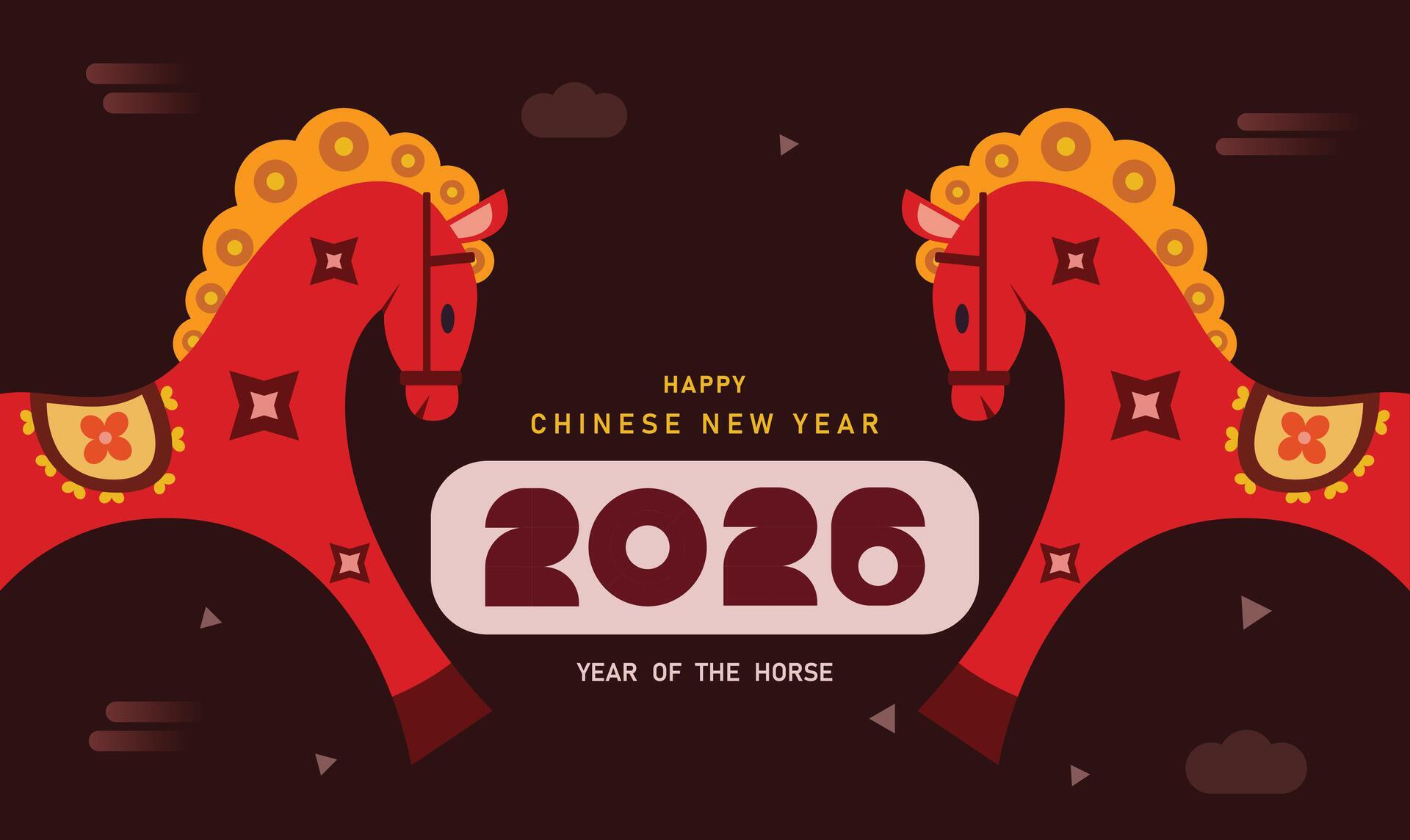
In 2026, Chinese New Year falls on February 17th. The celebration typically lasts for 15 days, culminating in the Lantern Festival, which will take place on March 3rd, 2026. Each year corresponds to a different animal in the Chinese zodiac, and 2026 will be the Year of the Horse, which is known for its characteristics of strength, energy, and enthusiasm.
Significance and Traditions
Chinese New Year is a time for family reunions, feasting, and honoring ancestors. Traditionally, families will perform a thorough cleaning of their homes before the festival begins, symbolising the removal of bad luck and making way for good fortune. It’s also customary to decorate homes with red lanterns, banners, and paper cutouts, which are believed to bring prosperity and happiness.
During the festivities, families gather to enjoy sumptuous meals, often featuring dishes like dumplings, fish, and rice cakes, each holding symbolic meanings that convey luck, happiness, and wealth. The giving of red envelopes containing money, known as ‘Hongbao,’ also forms an important part of the celebration, especially for children and younger members of the family. These practices underscore the communal spirit of the celebrations, reinforcing connections and expressing hopes for the year ahead.
Global Celebrations
Chinese New Year is celebrated not just in China but globally, particularly in countries with significant Chinese populations such as Malaysia, Singapore, Indonesia, and beyond. Major cities around the world, including London, San Francisco, and Sydney, organise large-scale parades and cultural performances to bring communities together and showcase the richness of Chinese culture.
Conclusion
As the world prepares for the festivities in 2026, the anticipation for Chinese New Year is building. It serves as a reminder of the importance of cultural heritage and communal celebration. Understanding when this significant festival takes place and its pertinent traditions allows for greater appreciation and respect for the values and beliefs that shape one of the world’s most beloved holidays. As February 17th approaches, individuals and families alike will look forward to welcoming the Year of the Horse with hope and joy.