Understanding Ramadan
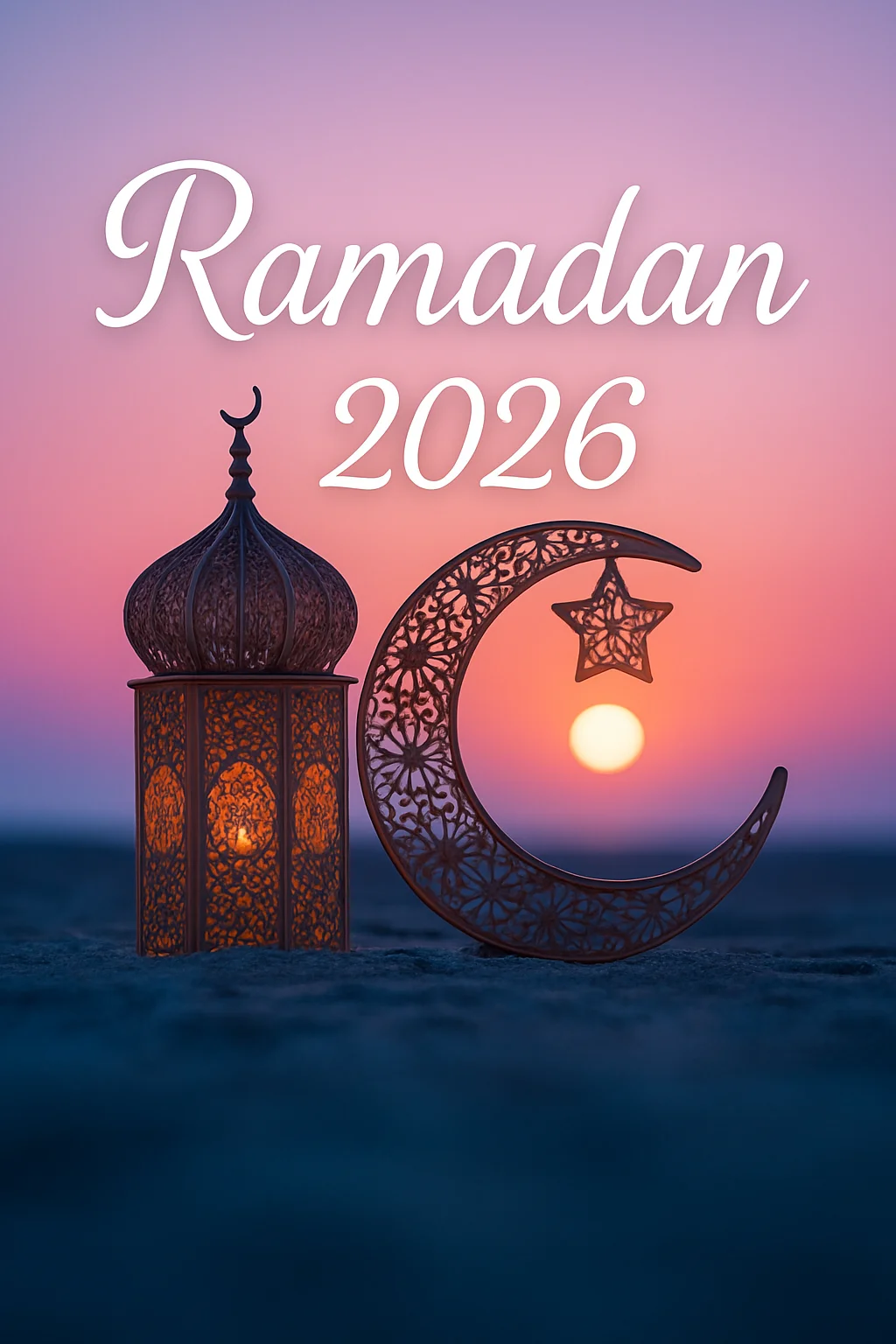
Ramadan is a significant month in the Islamic calendar, observed by Muslims across the globe. It is a time of fasting, reflection, prayer, and community, and it commemorates the first revelation of the Quran to the Prophet Muhammad. The timing of Ramadan shifts annually due to the lunar calendar, which is shorter than the solar calendar. This year, anticipation is building as communities begin to look forward to Ramadan 2026.
When is Ramadan 2026?
In 2026, Ramadan is expected to begin on the evening of Sunday, 14 February, and will end with the celebration of Eid al-Fitr on Tuesday, 16 March. These dates may vary slightly based on the sighting of the moon, which is a traditional practice that marks the beginning and end of Ramadan.
The Significance of Ramadan
Fasting during Ramadan is one of the Five Pillars of Islam, which are fundamental acts of worship that shape the Muslim faith. Adult Muslims are required to abstain from food, drink, smoking, and intimate relations from dawn until sunset. This practice is intended to foster spiritual growth, self-discipline, and empathy for those less fortunate.
Observances and Traditions
During Ramadan, Muslims engage in increased prayer, recitation of the Quran, and charitable activities. Iftar, the meal to break the fast, is often a communal event where families and friends gather to share food and fellowship. In many communities, mosques open up for communal prayers in the evenings.
Conclusion
As Ramadan approaches in 2026, it presents an opportunity for spiritual renewal and community connection among Muslims around the world. The shifting dates of Ramadan highlight the lunar calendar’s influence and the importance of traditional practices such as moon sighting. The month is not only a time for personal growth but also a chance to reinforce community bonds through generosity and shared experiences.