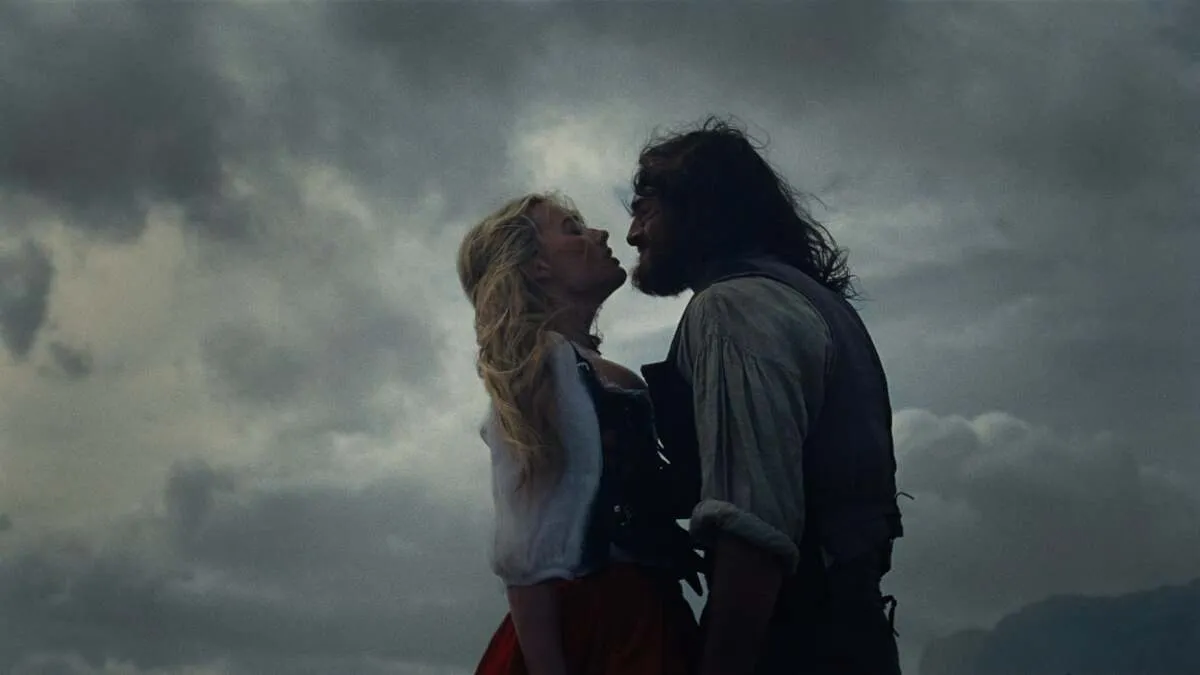
Emerald Fennell’s adaptation of Wuthering Heights has sparked significant outrage and debate among fans due to its radical departure from the original story. The film, which features Margot Robbie as Catherine Earnshaw and Jacob Elordi as Heathcliff, aims to modernize Emily Brontë’s 1847 gothic romance.
This reimagining began generating buzz well before its release. Critics expressed mixed feelings, with some praising the fresh take while others lamented the loss of the novel’s essence. The film premiered in theaters before becoming available for streaming on HBO Max.
As of March 31, 2026, audiences can rent the film for $9.99 or purchase it for $19.99 through various digital rental platforms. HBO Max subscriptions start at $10.99 per month, making it relatively accessible for fans eager to see this new interpretation.
Current ratings:
- The film holds a 57 percent critic rating on Rotten Tomatoes.
- Audience ratings are notably higher, sitting at 76 percent.
- This disparity reflects the divided opinions surrounding the adaptation.
Critics have not held back in their assessments. Kristy Puchko remarked, “Instead of a cohesive re-imagining or even a titillating romance, Wuthering Heights feels like a passionate but incoherent collage of teenage lust and rebellion.” Yet, some viewers have embraced this shift. One anonymous fan quipped, “Wuthering Heights is like a horny teenage fever dream — and yes, that’s a good thing.” This polarized reception underscores the challenges faced by adaptations attempting to balance reverence for source material with contemporary storytelling.
As discussions continue to unfold online and within critical circles, it’s clear that Fennell’s version is more than just a film; it represents a cultural moment—one where classic literature meets modern sensibilities. For those involved in the project and its reception, these conversations matter deeply.